


Mastering UML Object Diagrams: From Abstract Classes to Concrete System Snapshots
Master UML Object Diagrams to capture concrete system snapshots. Learn how these differ from class diagrams and apply them to real-world scenarios like user uploads.
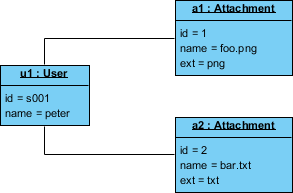
Master UML Object Diagrams to capture concrete system snapshots. Learn how these differ from class diagrams and apply them to real-world scenarios like user uploads.
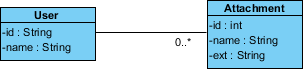
Master UML Class Diagrams to visualize static system structure, learn object instances, and streamline software architecture modeling with modern unified development tools.
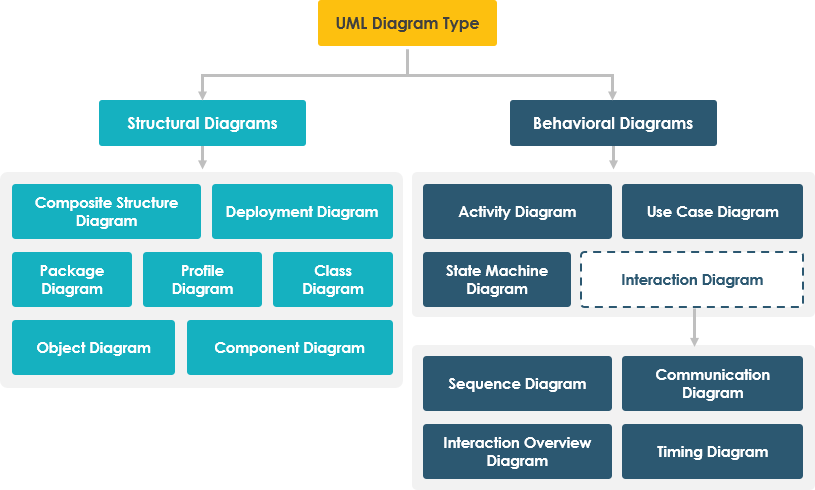
Master UML 2 diagrams to visualize static system structures and dynamic behaviors. Learn how structural and behavioral models define robust software architecture before coding begins.
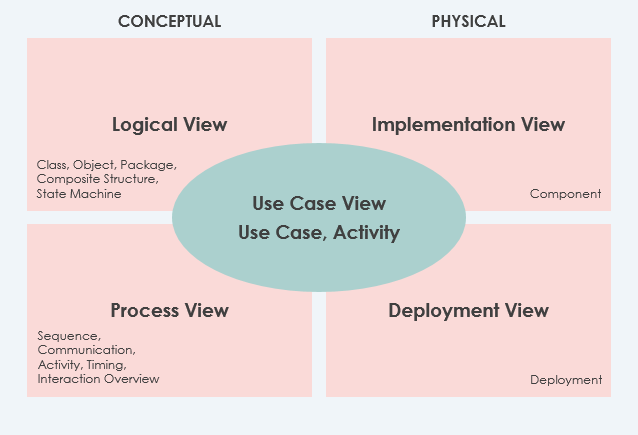
Master the 4+1 View Model to visualize software architecture from five perspectives, ensuring all functional and non-functional requirements are met before coding begins.
Master UML to transform abstract requirements into visual blueprints, mastering object-oriented design, system architecture, and practical modeling for software and business workflows.
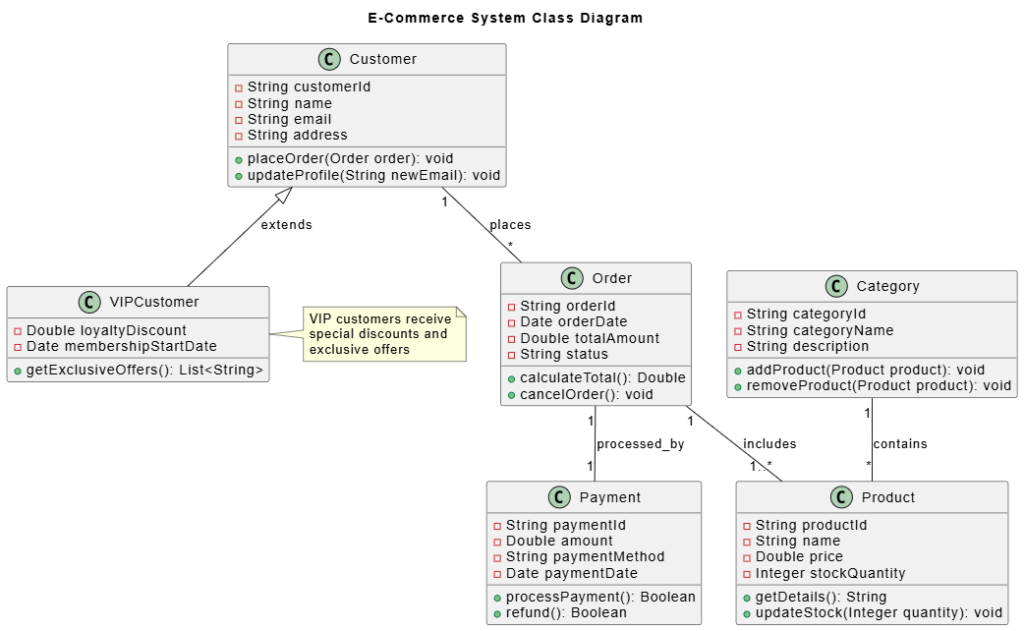
Learn to build E-Commerce class diagrams with PlantUML, leveraging AI and VPasCode for Agile version control and streamlined design workflows.
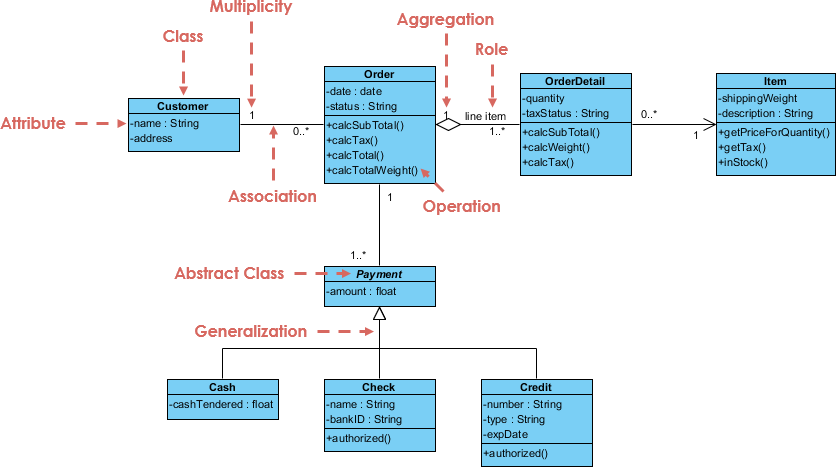
Master UML Class Diagrams to visualize software architecture. Learn system relationships and streamline modeling with Visual Paradigm’s AI and VPa Code features.
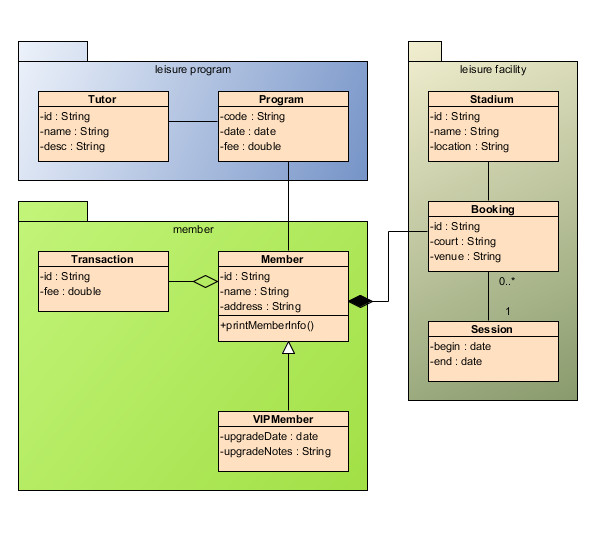
Master UML Class Diagrams to map system structure, model domain entities like Leisure Management, and define static architecture before coding.
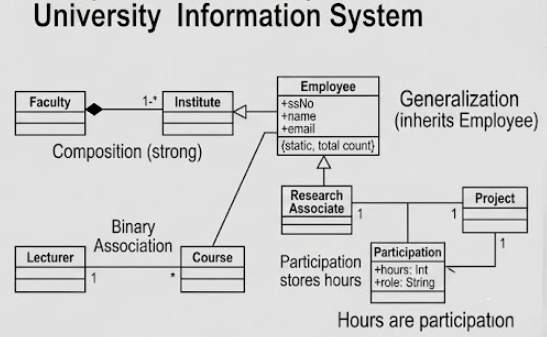
Learn to model a University Information System by identifying classes, defining attributes, and mapping relationships like composition and generalization in UML Class Diagrams.
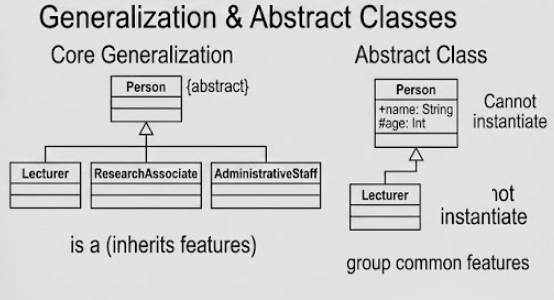
Master UML generalization and abstract classes to reduce code redundancy. Discover how AI tools like Visual Paradigm automate complex object-oriented modeling tasks.
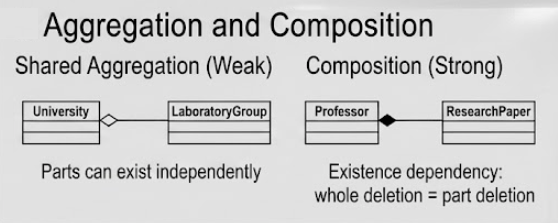
Master UML aggregation vs composition to understand part-whole relationships, lifecycle management, and shared ownership in robust object-oriented architecture.
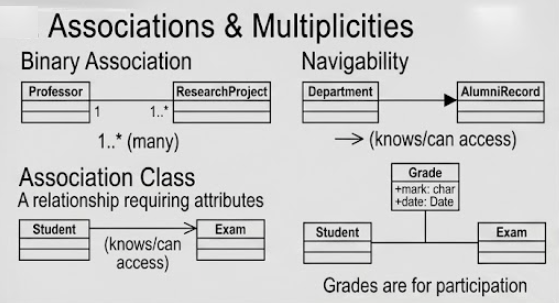
Master UML associations by learning to interpret multiplicities, apply navigability rules, and utilize association classes for precise system modeling.