


Mastering Minimalist Class Diagrams in Visual Paradigm
Learn to create minimalist UML class diagrams in Visual Paradigm using Name Only and Name and Operation views to eliminate clutter and highlight system architecture.

Learn to create minimalist UML class diagrams in Visual Paradigm using Name Only and Name and Operation views to eliminate clutter and highlight system architecture.
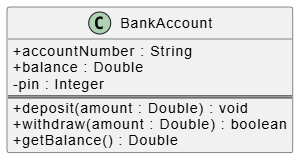
Learn to build a standard 3-compartment UML Class Diagram for BankAccount using Visual Paradigm. Master class attributes, operations, and relationships to visualize system architecture effectively.
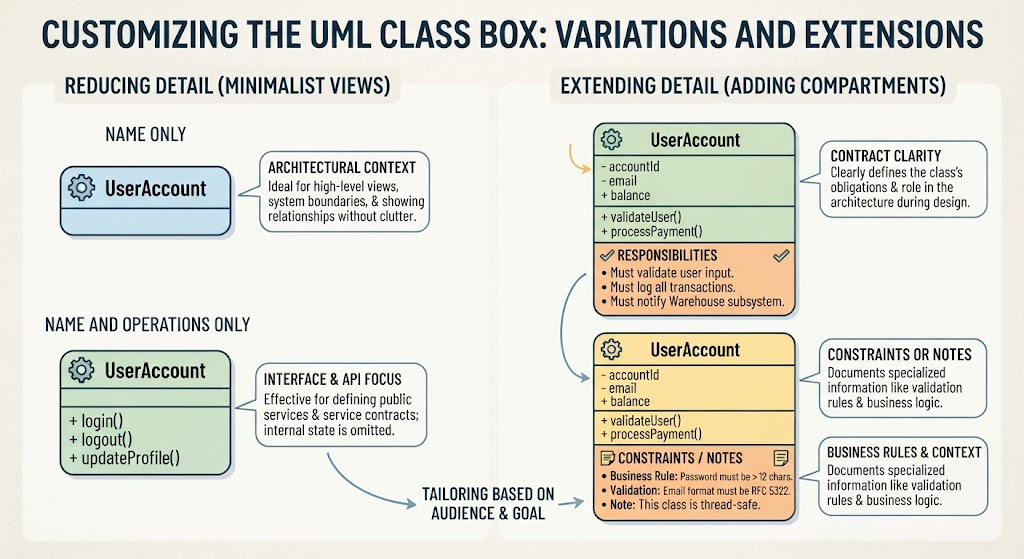
Learn to customize UML class boxes for architectural clarity by strategically simplifying high-level overviews or expanding complex contracts based on audience and goals.
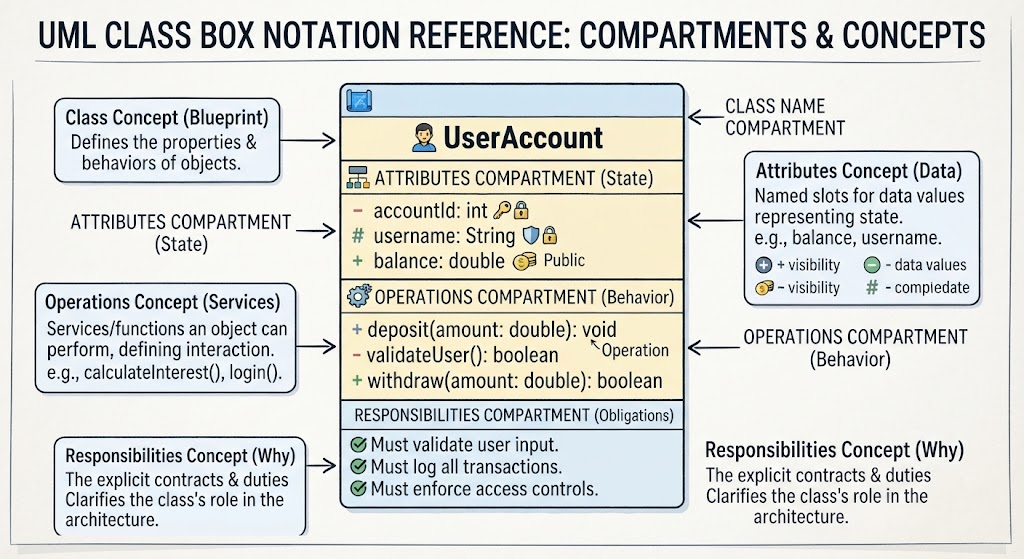
Master UML class box notation to model system architecture. Learn compartment anatomy, attributes, and operations for clear software design.
Master the UML class box anatomy to bridge architecture and code. Learn to adapt class diagrams for any audience using professional modeling tools like Visual Paradigm.
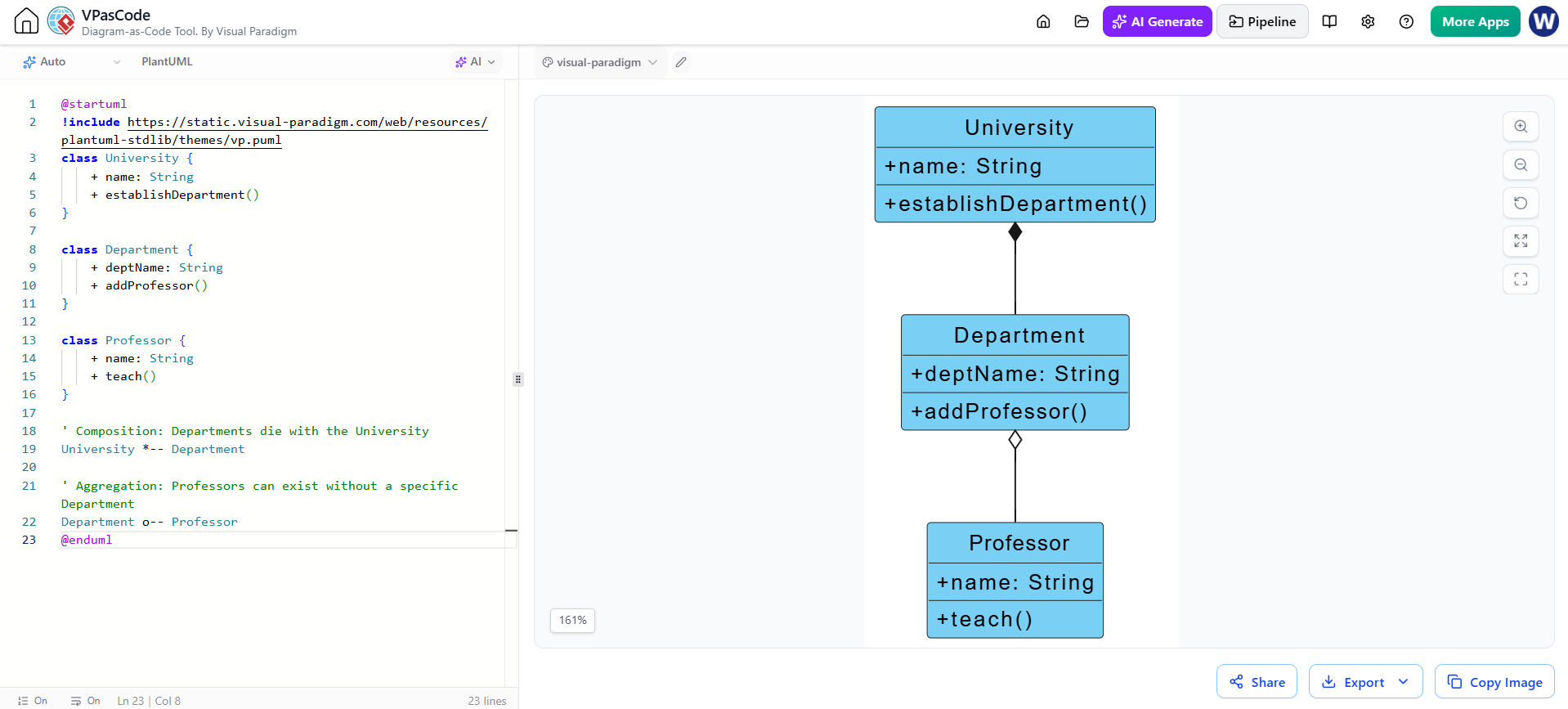
Master PlantUML composition and aggregation by modeling a University system to understand object lifecycles, ownership, and tight coupling in object-oriented design.
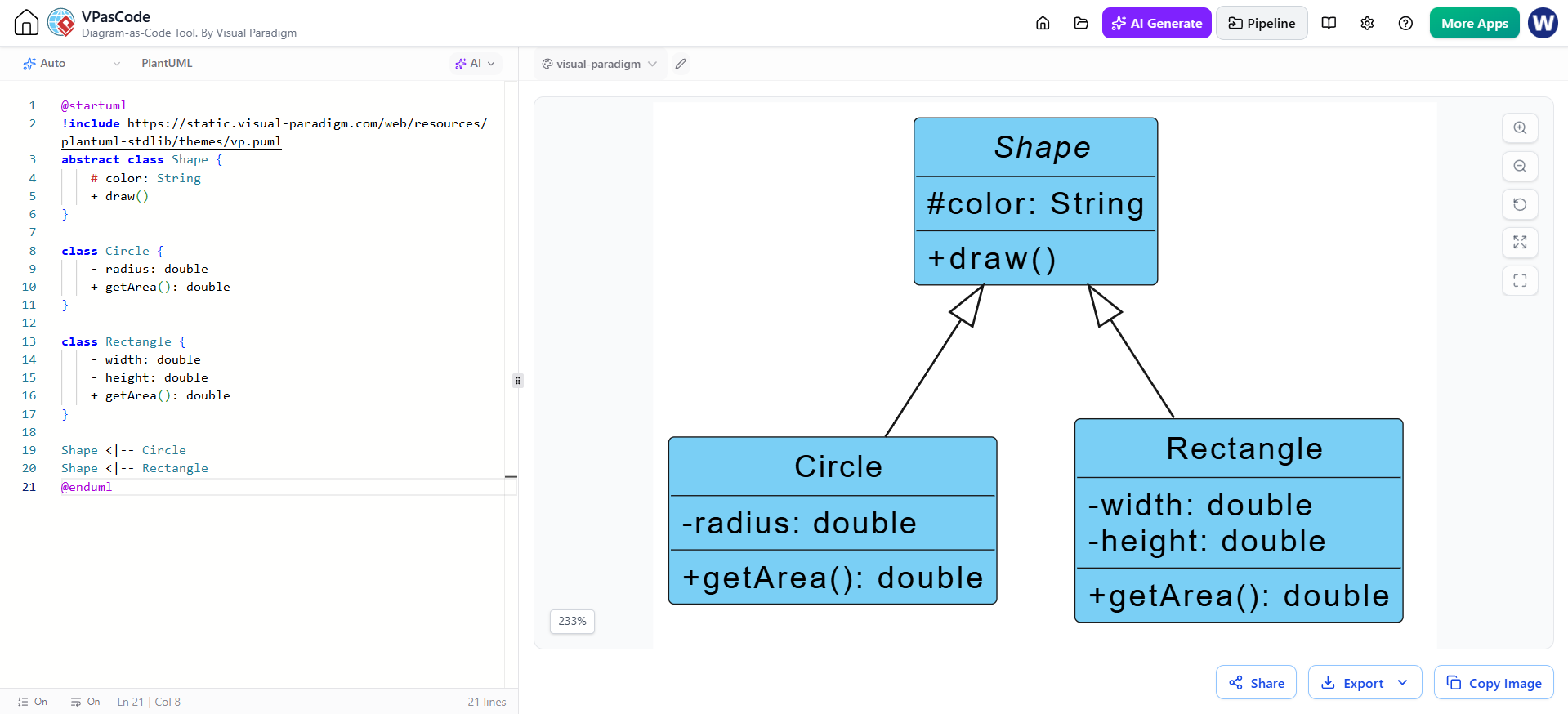
Master class diagrams in VSCodium using PlantUML. Learn inheritance syntax, abstraction concepts, and the text-based workflow for generating professional UML visuals.
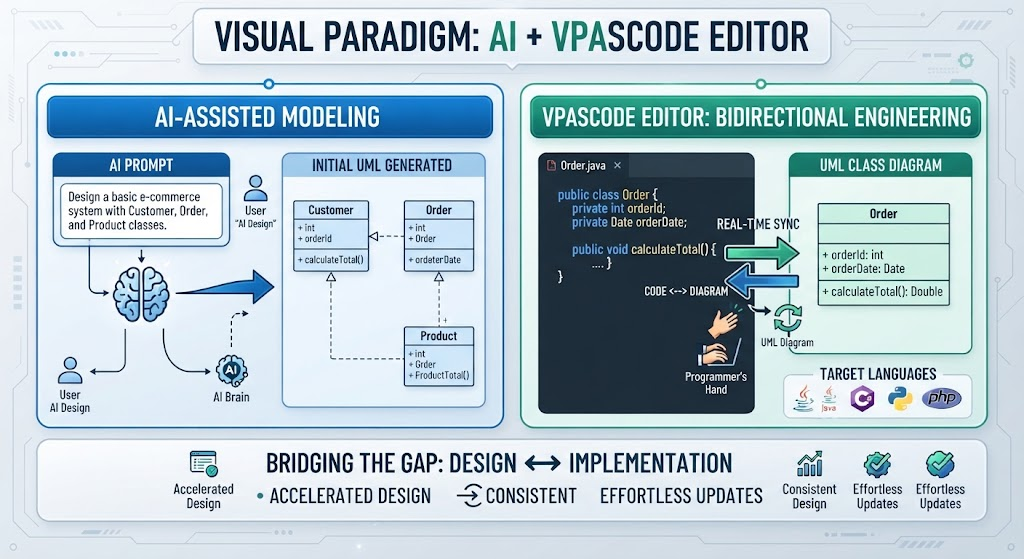
Master modern software design with Visual Paradigm’s AI-assisted modeling and bidirectional engineering to seamlessly transform natural language concepts into fully functional code.
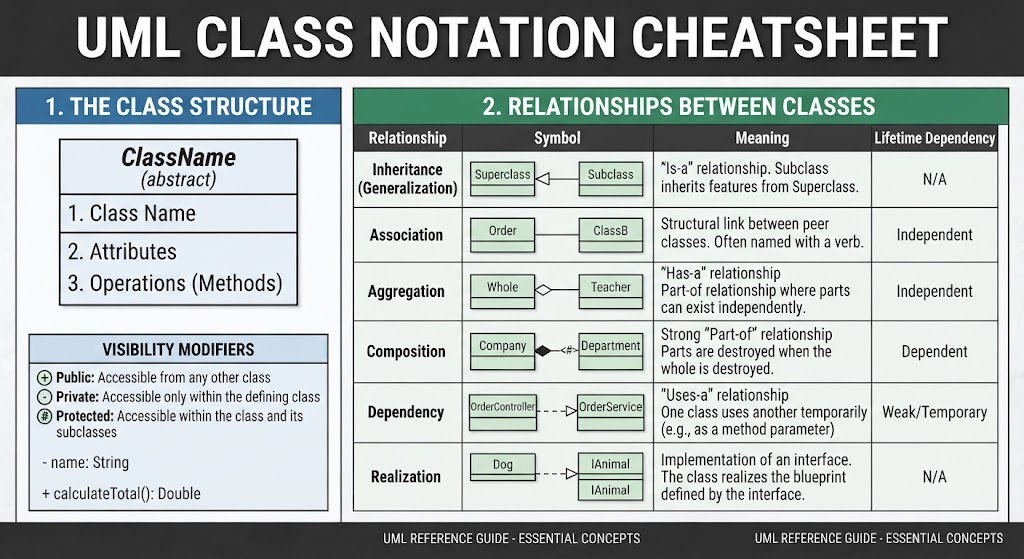
Master UML Class Diagrams by learning class anatomy and relationships to design robust software architectures with confidence and clarity.
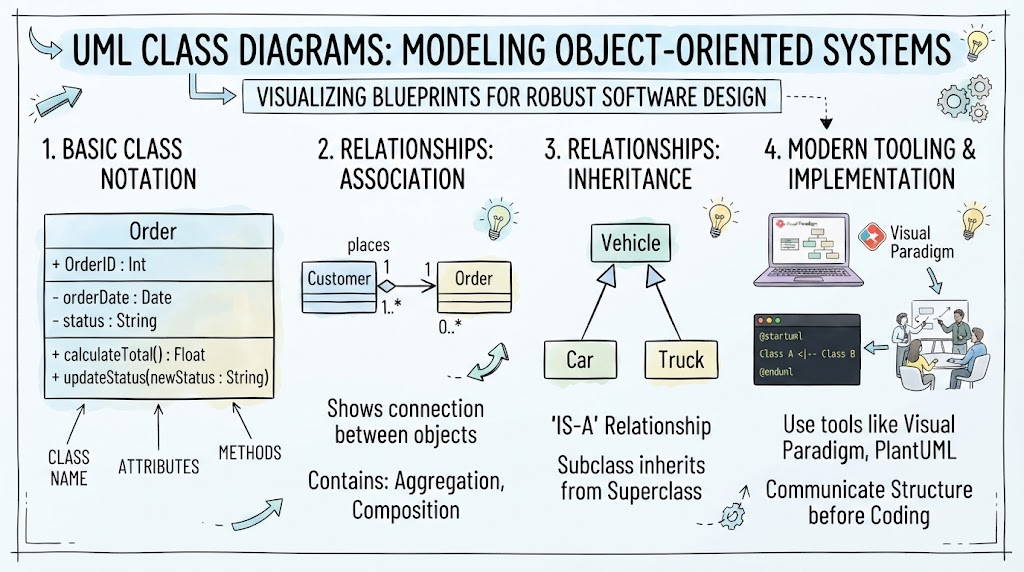
Master UML Class Diagrams to visualize static system structures and define robust object-oriented design with clear notation for attributes and methods.
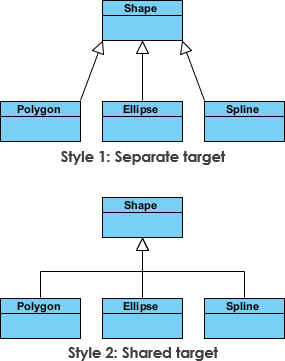
Learn how to create and manage class inheritance relationships in Visual Paradigm using a classic Shapes hierarchy example. This guide demonstrates how to toggle between two distinct visual styles for Generalization connections while maintaining semantic equivalence.
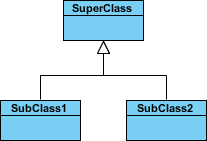
Learn how to model powerful “is-a” relationships and inheritance hierarchies using Visual Paradigm to reduce code duplication. This step-by-step guide covers creating abstract classes and handling different visual styles for semantically equivalent diagrams.