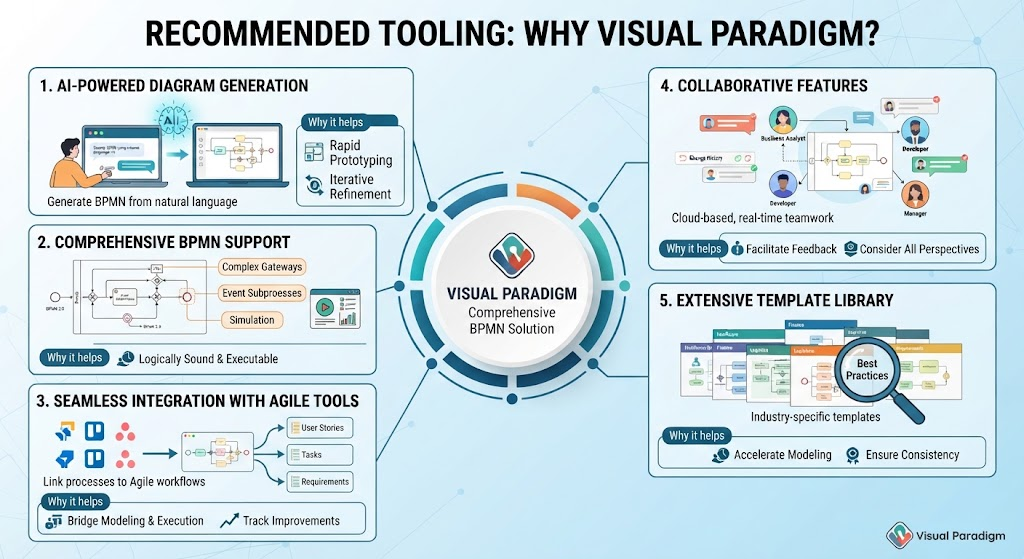
In the world of business process management (BPM), the gap between a theoretical idea and a fully implemented, optimized workflow can often be bridged by the right tool. Visual Paradigm has emerged as a comprehensive solution for organizations serious about process improvement. This tutorial explores the five critical pillars that make Visual Paradigm a superior choice for business analysts, developers, and project managers alike.
1. AI-Powered Diagram Generation
The barrier to entry for creating complex process models is often too high. Historically, this required deep knowledge of BPMN syntax. Visual Paradigm revolutionizes this by integrating AI capabilities that allow users to generate BPMN diagrams directly from natural language descriptions.
- How it works: Instead of dragging and dropping shapes, users can describe a process in plain English (or other supported languages), and the AI constructs the logical flow.
- The Benefit: This enables rapid prototyping of processes. It encourages iterative refinement through conversational commands, allowing non-technical stakeholders to participate actively in the initial modeling phase without getting bogged down in technical syntax.
2. Comprehensive BPMN Support
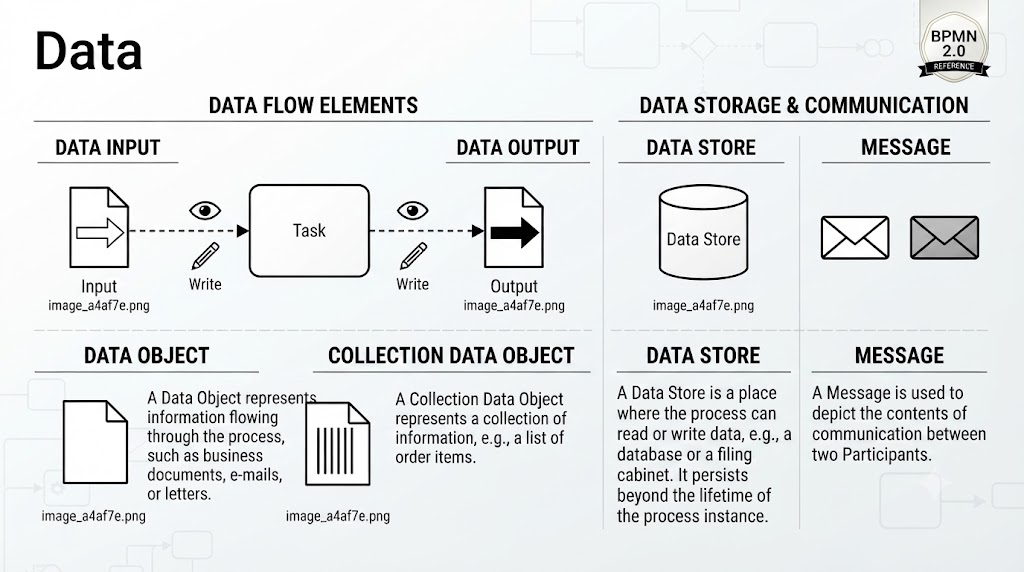
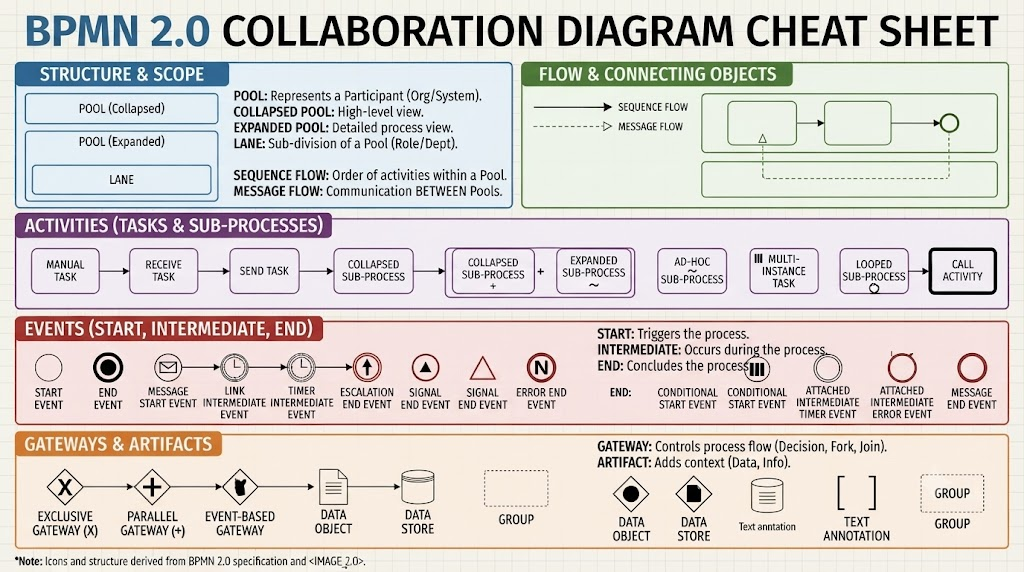
A diagram is only as good as its logic. Visual Paradigm provides robust support for the full BPMN 2.0 specification. This is crucial for ensuring that your models are not just visually appealing but are technically sound.
- Key Features: The tool handles complex gateways, intricate events, and nested subprocesses with precision.
- Simulation Capabilities: Perhaps most importantly, the tool offers simulation features. You can test process logic before any code is written or any business rule is deployed. This ensures that your diagrams are logically sound and executable, preventing costly errors during implementation.
3. Seamless Integration with Agile Tools
In modern software development, the silos between “process modeling” and “project execution” must be broken. Visual Paradigm bridges this gap by integrating seamlessly with popular Agile management tools.
- The Workflow: Teams can link process models directly to user stories, tasks, and requirements.
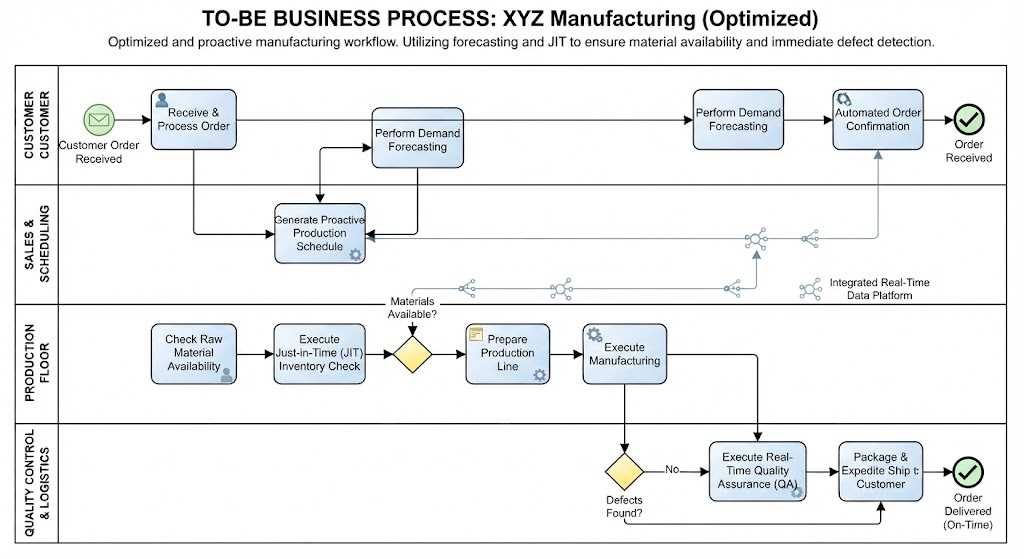
- The Outcome: This integration ensures that improvements identified in the modeling phase are tracked and implemented in the actual development lifecycle. It creates a continuous feedback loop where the “To-Be” process directly informs the “As-Is” sprint planning.
4. Collaborative Features
Process improvement is rarely a solitary activity. It requires input from business analysts, developers, and managers. Visual Paradigm facilitates this through cloud-based collaboration.
- Real-Time Work: Multiple stakeholders can work on the same diagram simultaneously.
- Communication: Users can leave comments and track changes within the platform.
- Why it matters: This facilitates real-time feedback and ensures that all perspectives are considered during the critical As-Is and To-Be analysis phases. It turns diagramming into a team sport rather than an isolated task.
5. Extensive Template Library
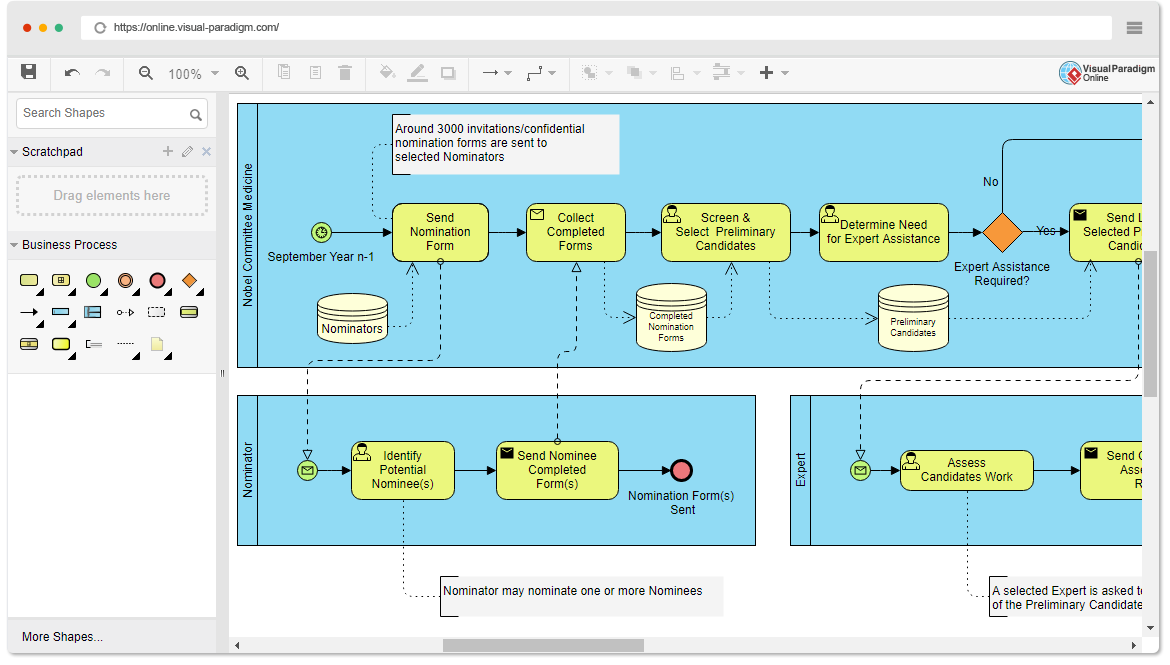
Starting a project from a blank canvas can be daunting and inefficient. Visual Paradigm provides access to a wide range of industry-specific BPMN templates.
- Efficiency: These templates accelerate the modeling process by providing pre-built structures for common workflows.
- Best Practices: They ensure that industry standards and best practices are followed from day one. This provides a solid starting point for common processes, reducing setup time and ensuring consistency across different projects within an organization.
Conclusion
Whether you are generating a quick prototype with AI, simulating complex logic, or collaborating with a remote team, Visual Paradigm offers the depth and flexibility required for modern process management. By adopting this tool, organizations can move from static documentation to dynamic, executable process models.