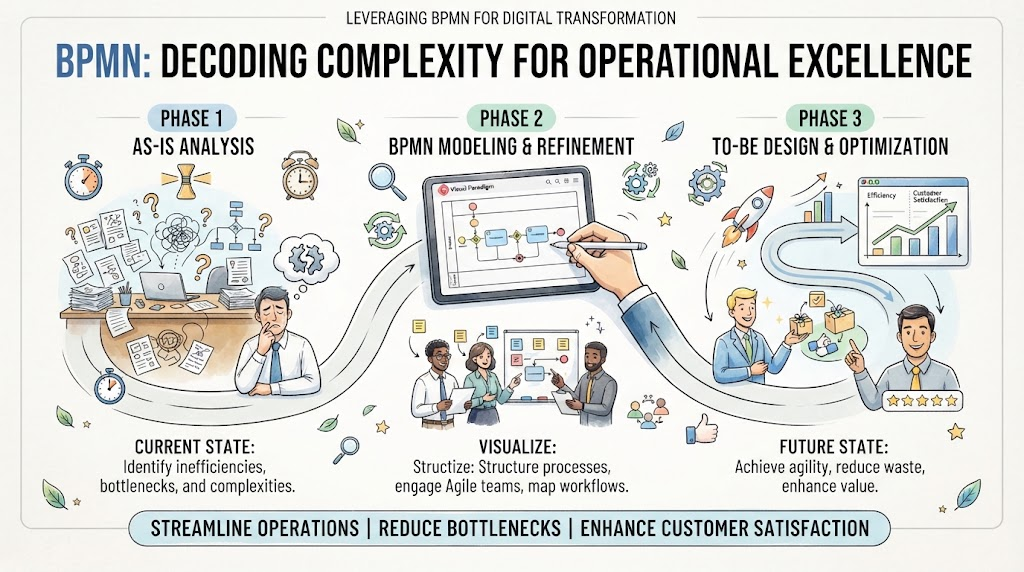
In the fast-paced world of modern business, agility and efficiency are not just buzzwords; they are the defining characteristics of market leadership. Organizations today face the daunting challenge of decoding operational complexity to drive true excellence. This is where Business Process Model and Notation (BPMN) becomes an indispensable asset. While theoretical frameworks provide the academic foundation, the real power of process modeling is revealed only through practical application.
This tutorial explores the strategic evolution of business processes using a structured approach: As-Is Analysis, BPMN Modeling & Refinement, and To-Be Design & Optimization. We will walk through these phases to demonstrate how structured visualization transforms abstract strategies into measurable improvements, utilizing tools like Visual Paradigm to streamline operations and enhance customer satisfaction.
Phase 1: As-Is Analysis – Decoding the Current State
The journey begins with the “As-Is” state. In this phase, the objective is to understand the current reality of the organization’s workflows. This is often the most difficult step, as it involves peeling back the layers of daily operations to reveal the underlying mechanics.
Identifying Inefficiencies and Bottlenecks
When analyzing the current state, teams must identify specific pain points. Visual cues in process diagrams—such as queues, loops, or complex decision diamonds—often point directly to bottlenecks. In the As-Is phase, you are essentially documenting the “Current State.”
- Document the Reality: Don’t model how you wish the process worked; model exactly how it does work, including workarounds and manual interventions.
- Spot the Complexity: Look for redundant steps where data is entered multiple times or where approvals get stuck in silos.
- Quantify the Pain: Use data to support your findings. How long does the process currently take? What is the error rate?
The Goal: To clearly define the scope of the problem. You cannot solve a problem you cannot see. By mapping the As-Is process, you establish a baseline from which all future improvements will be measured.
Phase 2: BPMN Modeling & Refinement – Structuring the Chaos
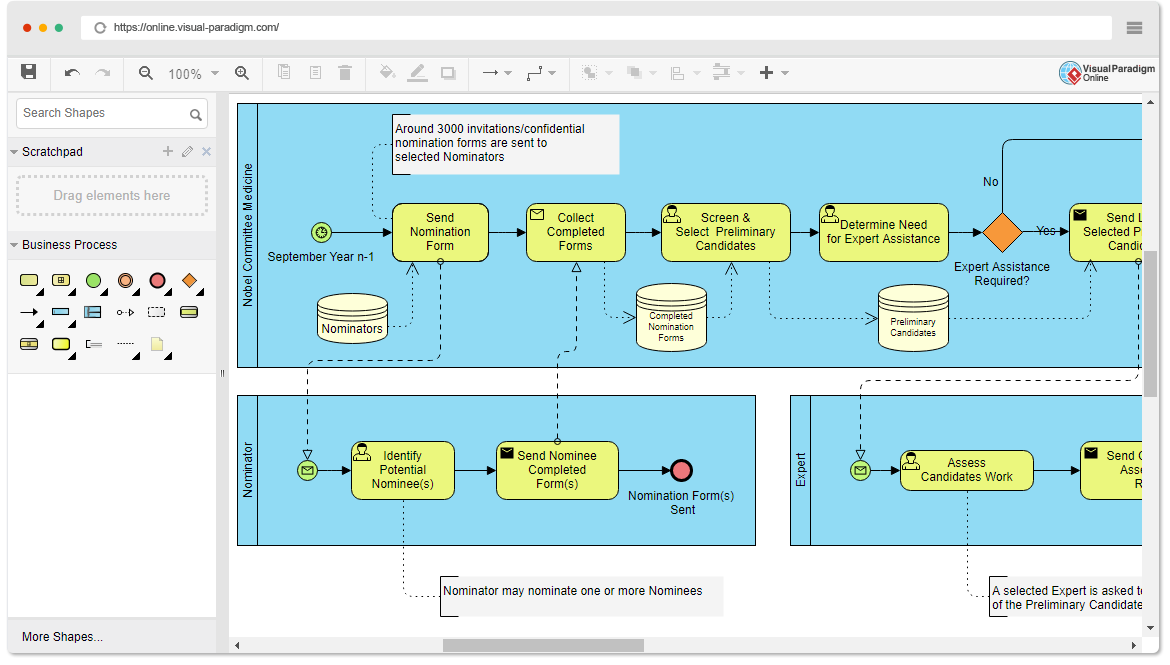
Once the As-Is process is understood, the next step is to engage in rigorous modeling. This is the “BPMN Modeling & Refinement” phase. Here, we move from observation to action, using standardized notation to structure processes and engage teams.
Visualizing for Agile Teams
BPMN serves as a universal language. Unlike code or complex technical documentation, a BPMN diagram can be understood by business stakeholders, developers, and managers alike. In the context of Agile teams, this visualization is crucial for mapping workflows.
Using advanced tooling like Visual Paradigm, teams can:
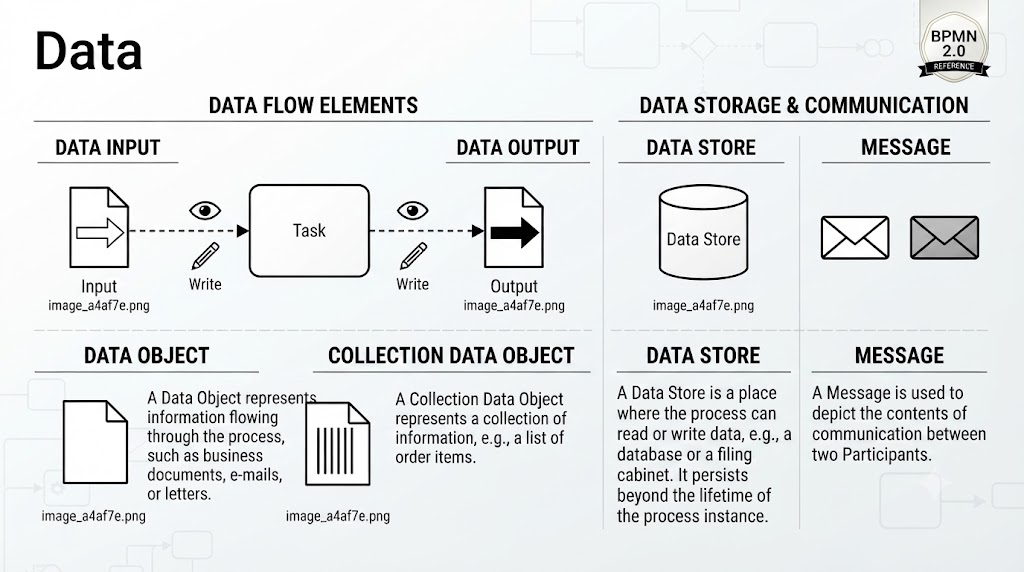
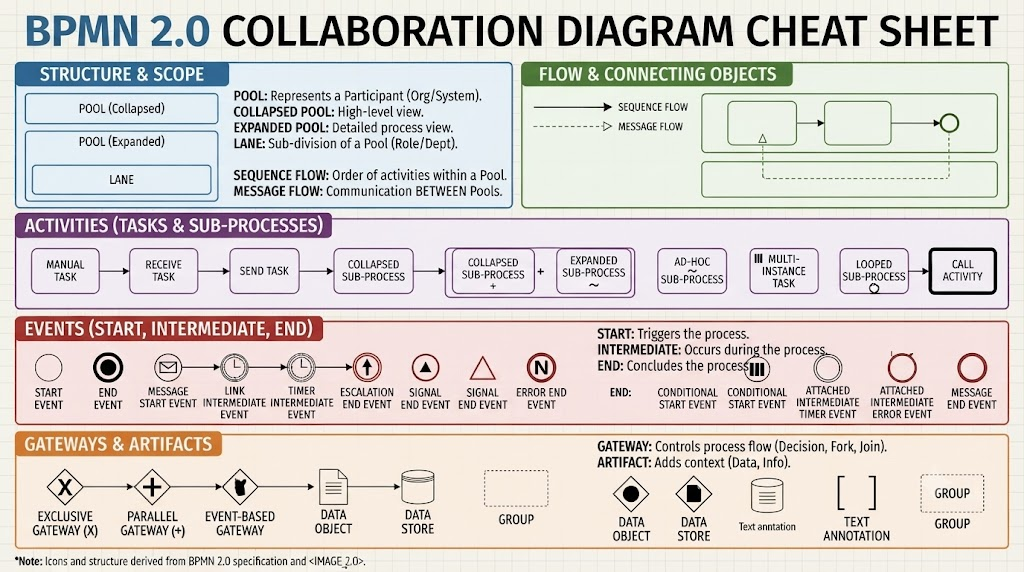
- Standardize Notation: Ensure that every swimlane, gate, and event follows the BPMN 2.0 standard, eliminating ambiguity.
- Collaborate Remotely: Modern tools allow for real-time collaboration, enabling distributed teams to refine the process model simultaneously.
- Bridge the Gap: Translate abstract business requirements into concrete, executable logic.
The Goal: To create a “Visualize” state where the process is structured and clear. This phase acts as the bridge between the messy reality of the As-Is state and the streamlined vision of the To-Be state.
Phase 3: To-Be Design & Optimization – Achieving the Future State
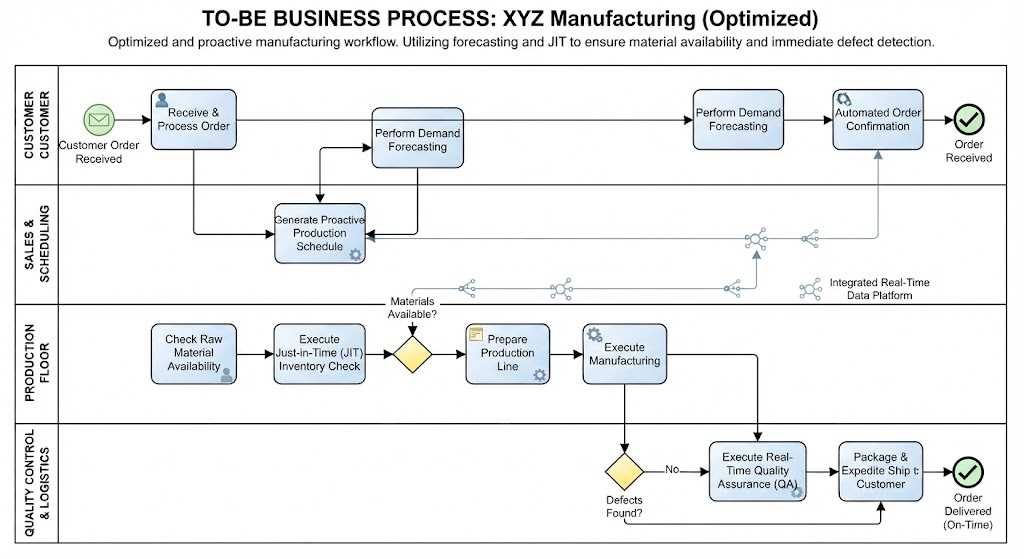
The final phase is “To-Be Design & Optimization.” This is where the magic of digital transformation happens. By combining the insights from the As-Is analysis with the structured models from Phase 2, you design the “Future State.”
Streamlining for Agility and Value
In this phase, the focus shifts to removing the waste identified in Phase 1. The To-Be model should demonstrate a streamlined path that reduces bottlenecks and enhances value.
- Reduce Waste: Eliminate non-value-added steps. If a step doesn’t contribute to the customer’s goal or regulatory compliance, consider removing it.
- Enhance Agility: Design processes that are flexible enough to adapt to changing market demands.
- Measure Success: The To-Be design should include metrics. Are we processing faster? Is customer satisfaction increasing?
The Gap Analysis: The difference between the As-Is and To-Be models is the “Gap.” This gap represents the work required to achieve digital transformation. It dictates the roadmap for implementation, whether that involves new software, training, or organizational restructuring.
Conclusion: From Abstract to Actionable
Whether you are managing a software development sprint or optimizing a global supply chain, the interplay between As-Is Analysis, BPMN Modeling, and To-Be Design is essential for success. By leveraging the power of BPMN, organizations can move beyond abstract strategies and create actionable, measurable improvements that drive operational excellence.
Remember, the goal is not just to draw diagrams, but to streamline operations, reduce bottlenecks, and enhance customer satisfaction. With the right mindset and the right tools, the path to the Future State is clear.