


In the realm of Object-Oriented Design and UML (Unified Modeling Language), understanding how objects relate to one another is critical for building robust system architectures. One of the most common sources of confusion for developers and students alike is the distinction between Aggregation and Composition.
While both concepts describe “part-whole” relationships, they differ fundamentally in the strength of the connection and the lifecycle management of the objects involved. This tutorial will break down these specialized relationships using standard UML notation and real-world analogies.
1. Shared Aggregation: The “Weak” Relationship
Aggregation is often described as a “weak” form of association. It represents a scenario where a whole is made up of parts, but those parts are not strictly dependent on the whole for their existence.
The Concept of Shared Ownership
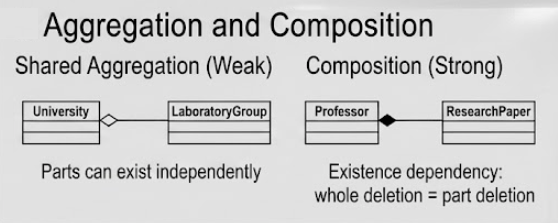
Think of a University and its Groups. In a Shared Aggregation relationship, the University owns the Laboratory Groups, but the groups have an existence outside of the University.
- Independence: If the University is dissolved or the relationship is broken, the Laboratory Group can still exist independently. It might join a different university or operate as a standalone entity.
- Lifecycle: The lifecycle of the part (Group) is not controlled by the lifecycle of the whole (University).
Visualizing Shared Aggregation
In UML diagrams, this relationship is depicted with a hollow diamond (an empty shape) on the side of the “Whole” class.
- The Diagram: You will see a line connecting
UniversitytoLaboratoryGroupwith a hollow diamond at the University end. - The Meaning: This visual cue tells the developer: “The Laboratory Group belongs here, but it can live elsewhere.”
2. Composition: The “Strong” Relationship
Composition represents a much stricter, “strong” form of ownership. It is often referred to as “exclusive ownership” or “total dependency.”
Existence Dependency
Consider the relationship between a Professor and a Research Paper. A Research Paper is a distinct object, but in this specific context, it is composed by the Professor.
- Dependency: If the Professor ceases to exist (or is removed from the system), the Research Paper (as defined by that specific Professor) loses its context and is effectively deleted.
- Lifecycle: The part (Research Paper) cannot exist without the whole (Professor). The whole is responsible for the creation and destruction of the part.
Visualizing Composition
In UML diagrams, this relationship is depicted with a solid diamond (a filled-in shape) on the side of the “Whole” class.
- The Diagram: You will see a line connecting
ProfessortoResearchPaperwith a solid black diamond at the Professor end. - The Meaning: This visual cue signifies a tight coupling: “Delete the Professor, and you delete the Paper.”
Summary of Differences
To ensure clarity when designing your system architecture, use the following checklist to decide which relationship to model:
- Check for Independence: Can the part exist without the whole?
- Yes: Use Aggregation (Hollow Diamond).
- No: Use Composition (Solid Diamond).
- Check for Ownership: Is the relationship exclusive?
- Shared: A group might belong to multiple contexts? Use Aggregation.
- Exclusive: A paper belongs to one professor? Use Composition.
By correctly applying these concepts, you ensure your code reflects the true nature of your data. Your classes will handle memory management and logical dependencies more accurately, leading to cleaner, more maintainable software.
Related posts:
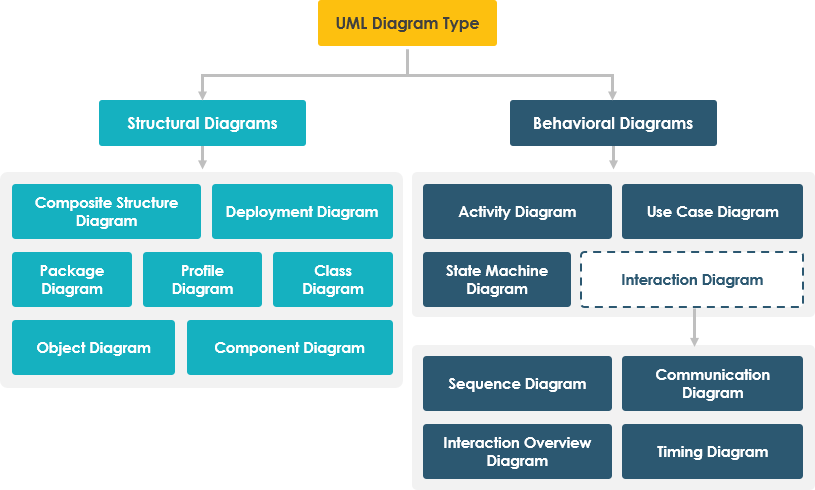 Mastering the 14 UML Diagram Types: A Comprehensive Tutorial for Software Architects
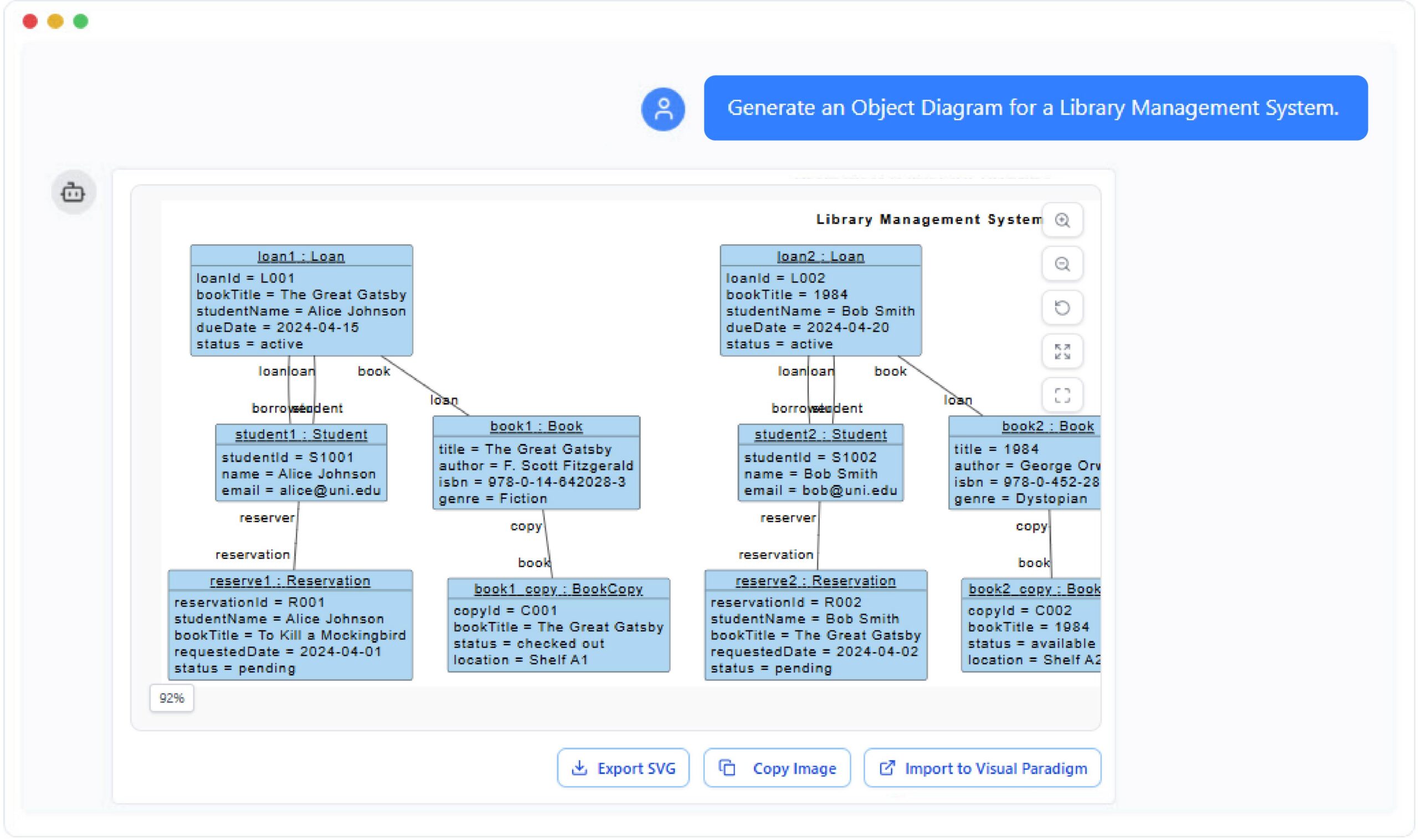 Introduction to Conversational Modeling with VP AI Chatbot
 Mastering the UML Class Box: A Comprehensive Guide to Software Architecture and Modeling
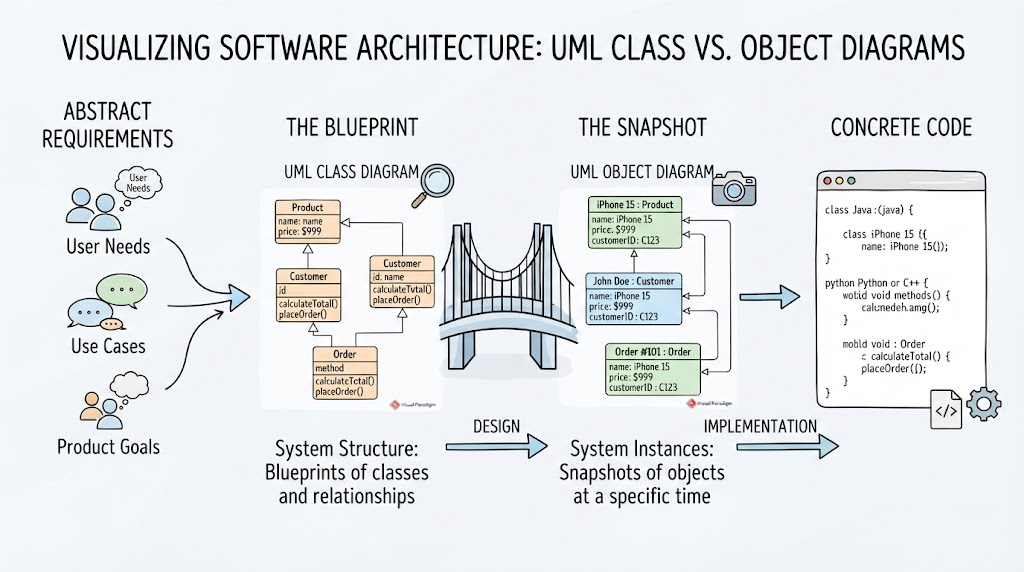 From Abstract Ideas to Concrete Code: Mastering UML Class vs. Object Diagrams