


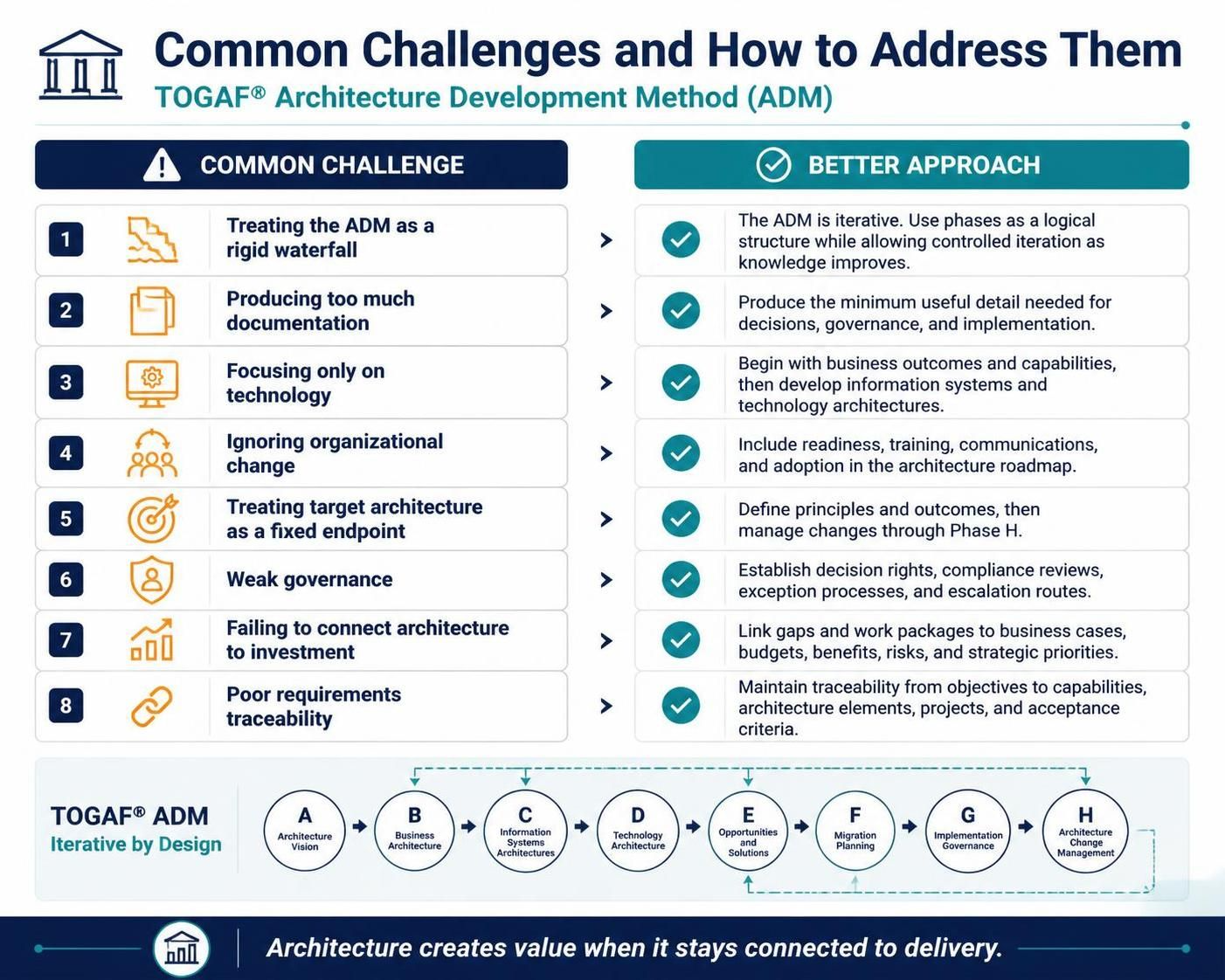
Successful enterprise architecture is not just about drawing diagrams; it is about navigating the complex interplay between business strategy, technology, and organizational change. The TOGAF Architecture Development Method (ADM) is the industry standard for this process, yet many practitioners stumble when applying it in the real world. Based on the core principles of the method, this tutorial explores the common pitfalls of the ADM lifecycle and provides actionable strategies to ensure your architecture delivers value.
The Iterative Nature of the ADM
The first major hurdle in architecture development is the mindset of the team. A frequent mistake is treating the ADM as a rigid waterfall model—linear, sequential, and unyielding.
- The Challenge: Many teams believe they must complete Phase A (Architecture Vision) perfectly before moving to Phase B (Business Architecture). This leads to “analysis paralysis” where requirements are never finalized because the team is afraid to move forward.
- The Better Approach: The ADM is iterative by design. Requirements, architecture decisions, and implementation plans are not static; they evolve as knowledge improves. You should use the phases as a logical structure rather than a rigid constraint. If you discover a critical business constraint during Phase C (Information Systems Architectures), it is perfectly valid to loop back to Phase B to refine the business capabilities.
Documentation: Finding the Sweet Spot
One of the most common criticisms of enterprise architecture is that it produces “shelf-ware”—massive repositories of documents that no one reads or uses.
- The Challenge: Teams often feel compelled to document every single detail to prove their work. This creates a disconnect between the architecture and the actual delivery teams, who need quick, actionable insights.
- The Better Approach: Adopt the principle of minimum useful detail. Produce only the documentation necessary for decision-making, governance, and implementation. If a diagram does not help a developer understand a constraint or a stakeholder understand a risk, it should be simplified or discarded. Focus on utility over volume.
Balancing Technology with Business Outcomes
Architecture often fails when it becomes too focused on the underlying tech stack and ignores the human and organizational elements required to support it.
- The Challenge: Focusing solely on technology leads to solutions that are technically impressive but operationally unviable. They may fail to address operating models, data governance, or necessary skills gaps.
- The Better Approach: Always begin with Business Outcomes. Start your analysis with business capabilities and the problems you are trying to solve. Only then should you develop the supporting Information Systems and Technology architectures. This ensures the technology serves the business, not the other way around.
The Human Element: Organizational Change
Even the most perfect technical architecture will fail if the organization is not ready to adopt it.
- The Challenge: Ignoring organizational change. New systems often require changes to roles, skills, incentives, policies, and culture. If these are ignored, adoption rates plummet.
- The Better Approach: Integrate Organizational Readiness into your roadmap. This includes planning for training, communications, and adoption strategies. Your architecture roadmap should explicitly account for the time and effort required to shift the organizational culture.
Managing the Target State and Governance
Finally, architecture must be resilient to change and governed effectively to prevent fragmentation.
- Fixed Endpoints: Do not treat the Target Architecture as a fixed endpoint. As market assumptions change, your target state may need to shift. Define clear principles and outcomes, then manage changes through Phase H (Architecture Change Management).
- Weak Governance: A well-designed architecture fails when projects make uncoordinated decisions. Establish clear decision rights, compliance reviews, exception processes, and escalation routes to ensure alignment.
- Investment Linkage: Architecture has limited value if it does not influence funding. Link your architecture gaps and work packages directly to business cases, budgets, and strategic priorities.
- Traceability: Maintain rigorous traceability from high-level objectives down to specific acceptance criteria to prevent scope confusion.
Recommended Tooling for Implementation
To effectively manage these challenges and apply the TOGAF ADM in a modern context, it is essential to utilize robust modeling tools that support both visual design and rigorous documentation. We recommend using Visual Paradigm TOGAF ADM Tool. This tooling solution empowers architects to create comprehensive models that bridge the gap between strategy and execution, ensuring that the iterative nature of the ADM is supported by the right digital infrastructure.
Related posts:
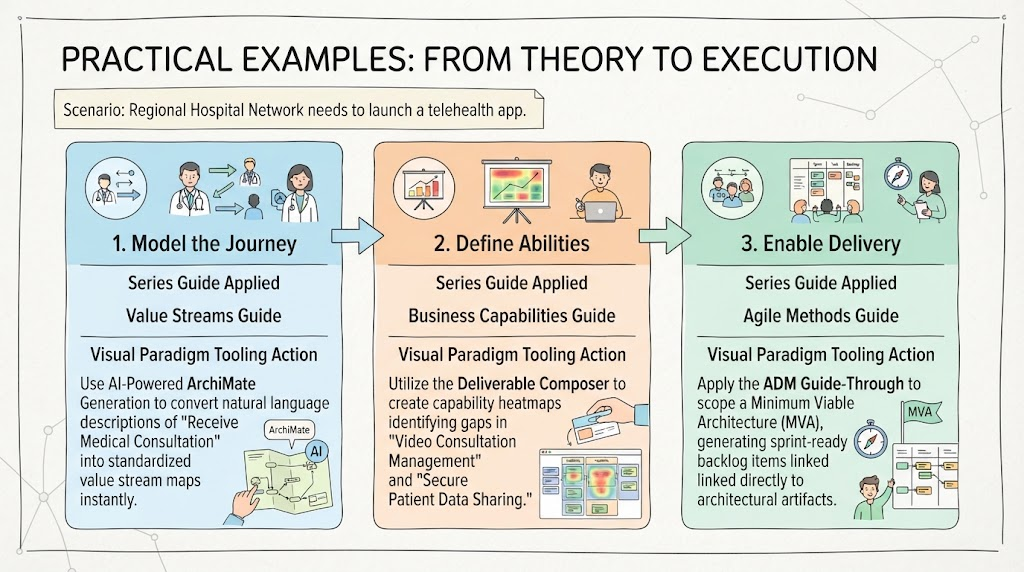 From Theory to Execution: A Practical Guide to Enterprise Architecture with Visual Paradigm
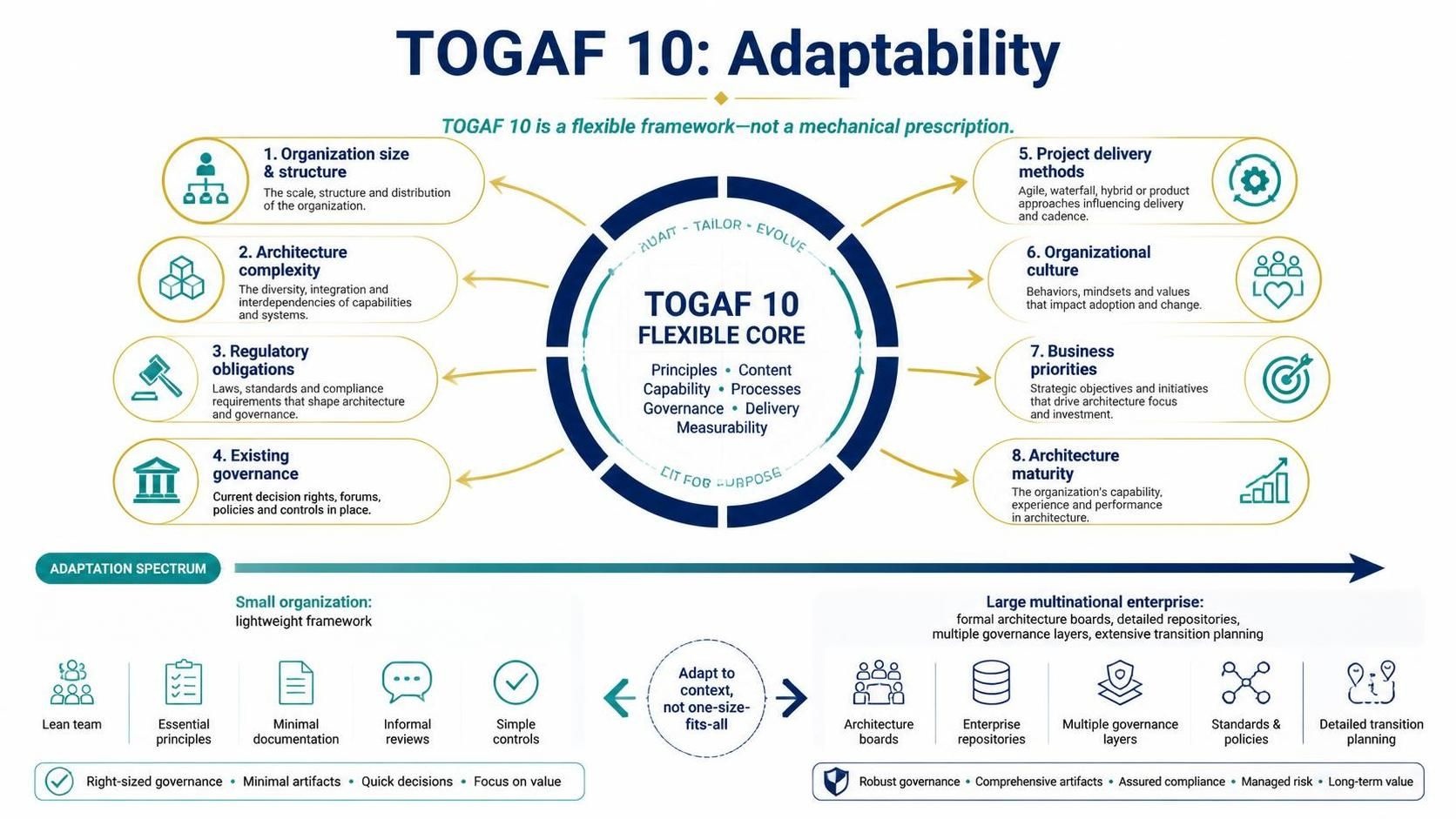 Mastering TOGAF 10 Adaptability: From Concept to Implementation
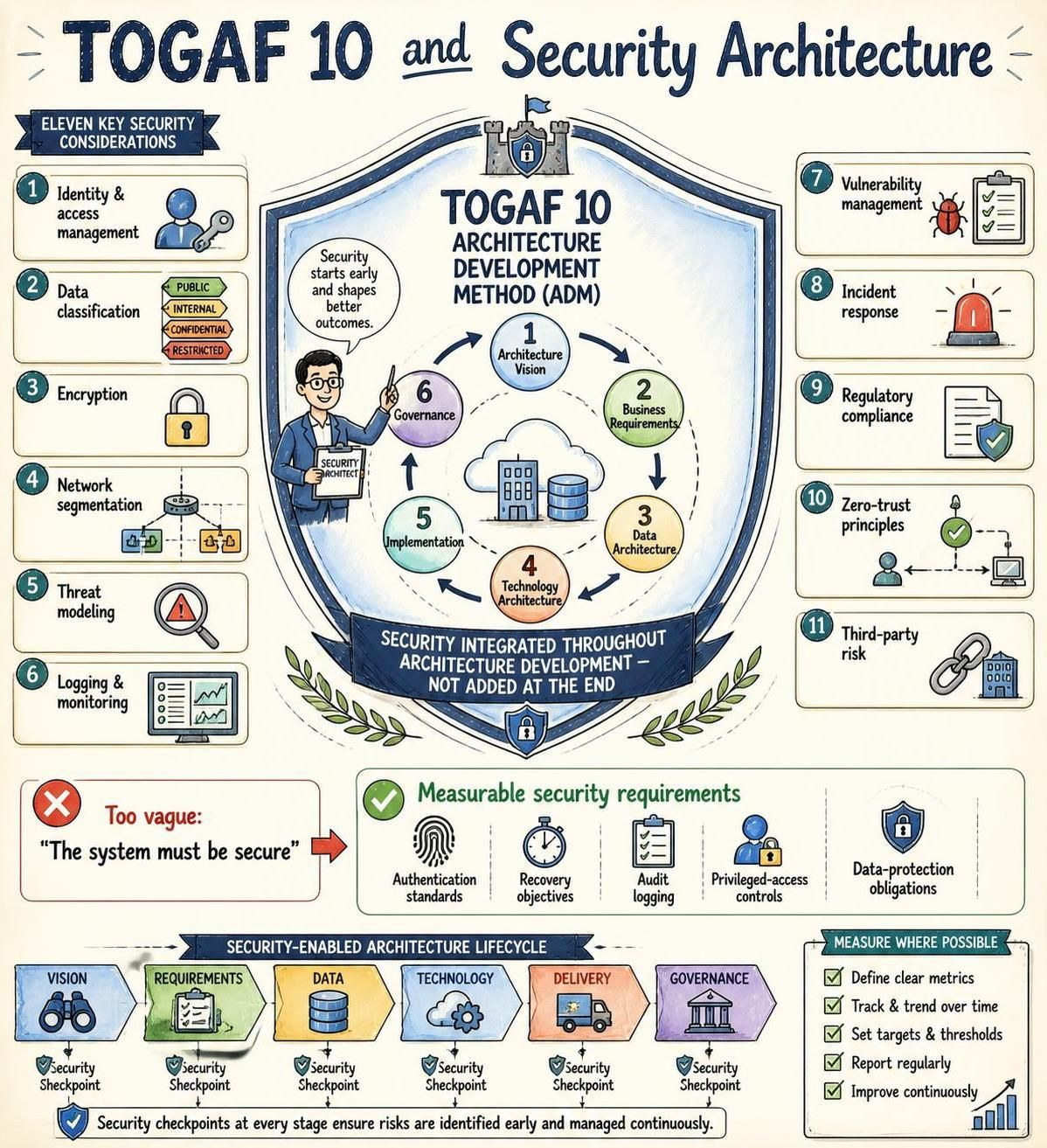 Mastering TOGAF 10 Security Architecture: From Principles to Implementation
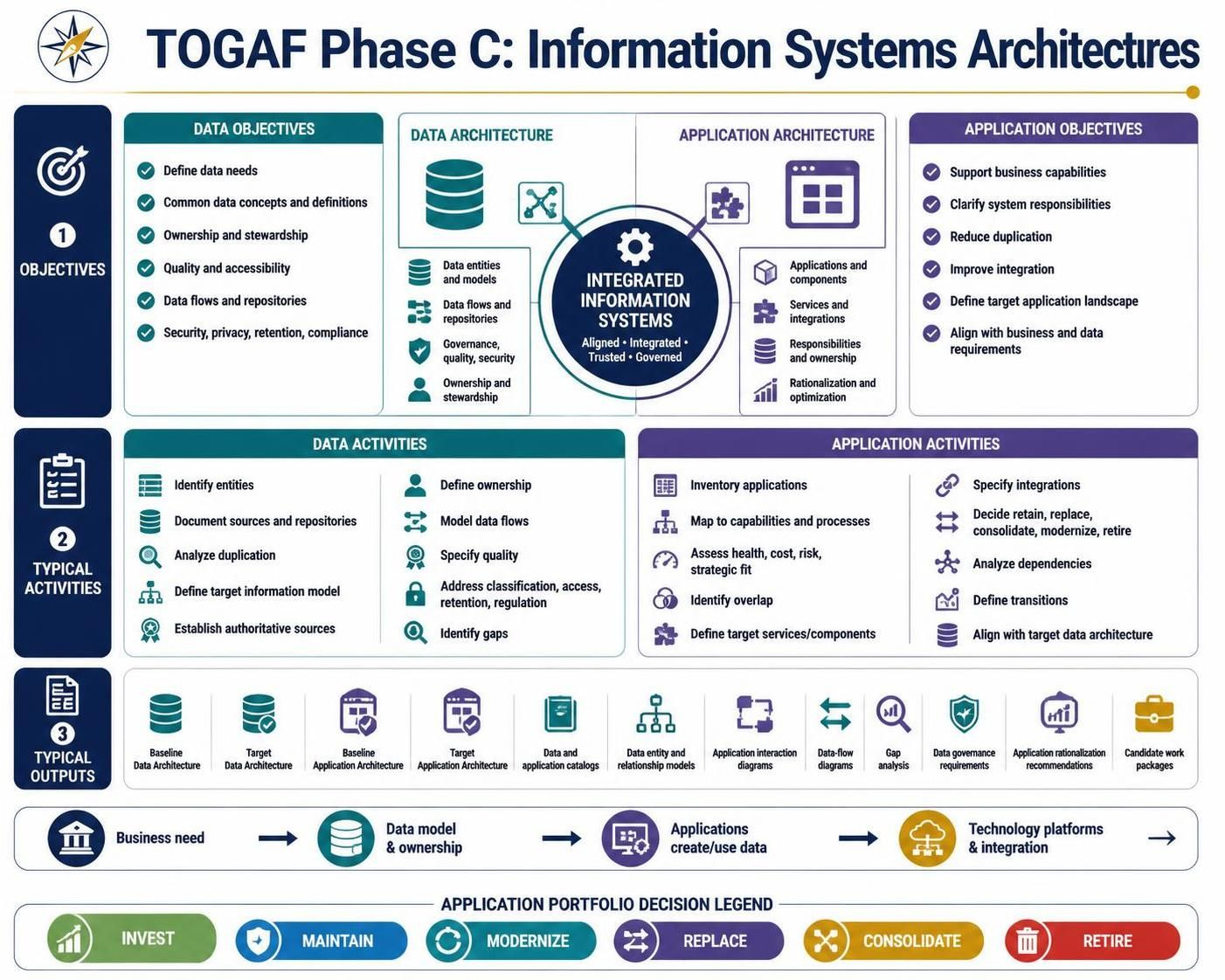 Mastering TOGAF Phase C: A Comprehensive Guide to Information Systems Architecture