


From Visual Diagrams to Code: VPasCode AI Ecosystem Workflow
Transform Visual Paradigm Desktop diagrams into PlantUML or Mermaid code via Pipeline and VPasCode to bridge visual modeling with code-centric workflows.
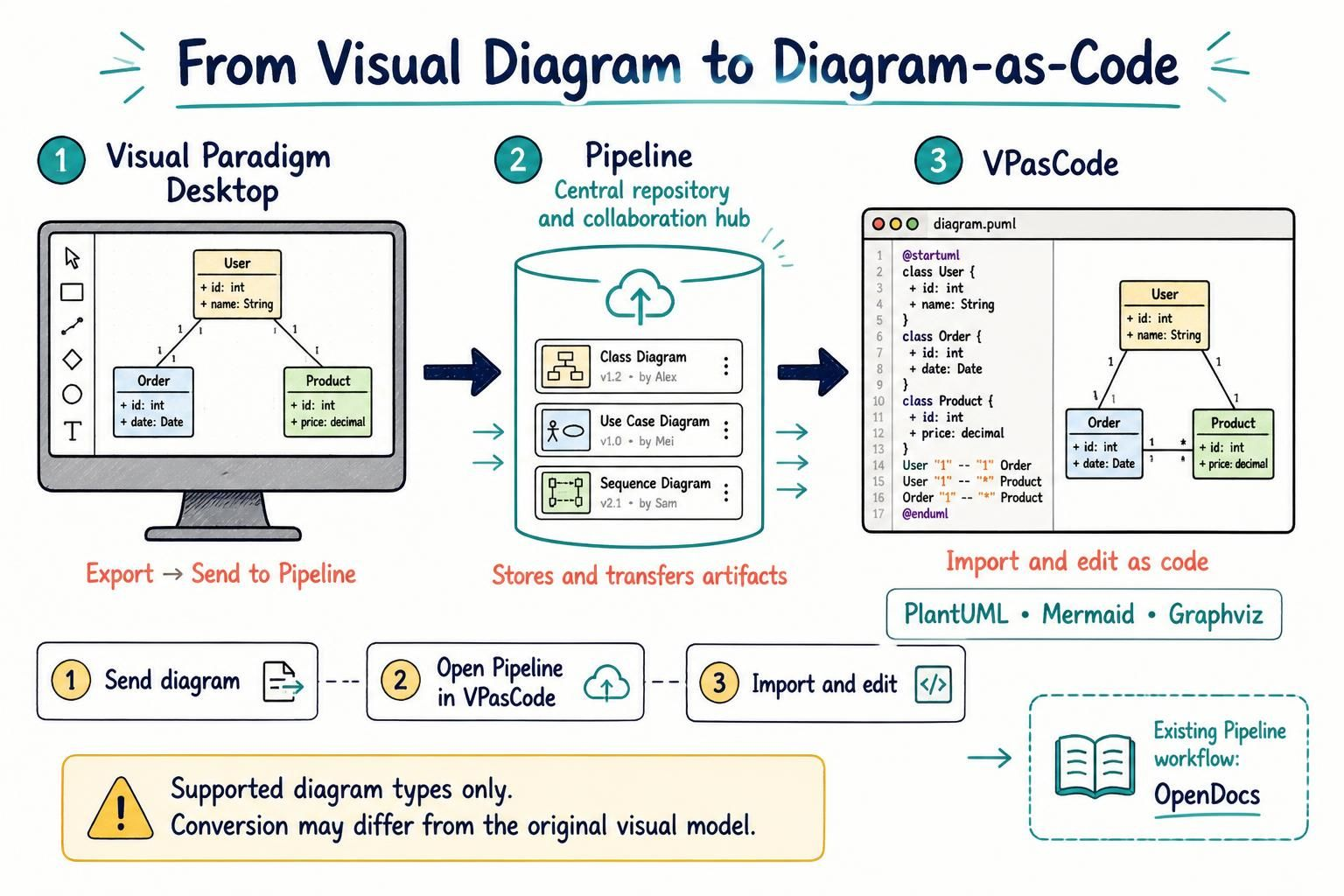
Transform Visual Paradigm Desktop diagrams into PlantUML or Mermaid code via Pipeline and VPasCode to bridge visual modeling with code-centric workflows.
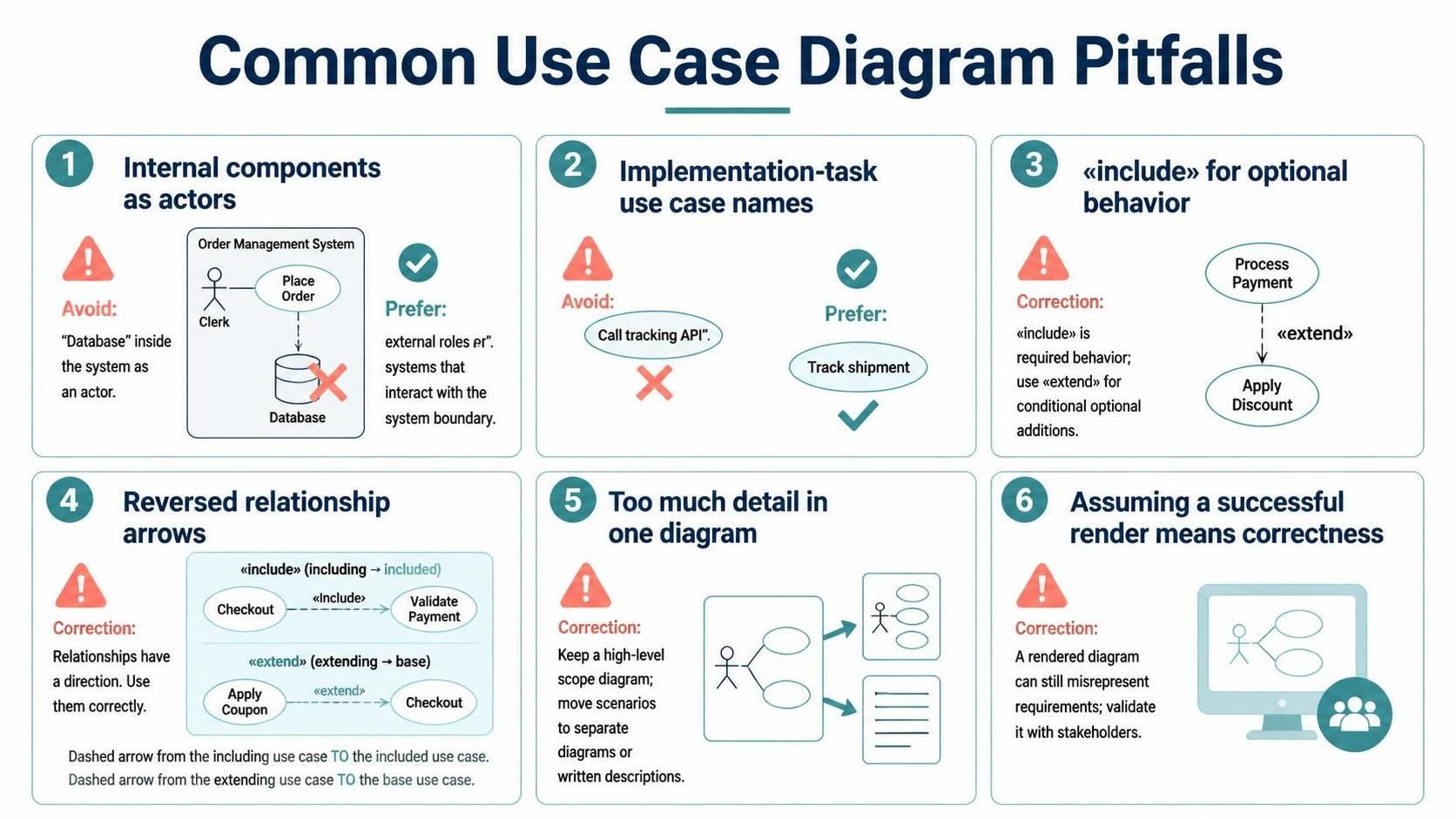
Avoid 6 critical pitfalls in Visual Paradigm AI when creating UML Use Case Diagrams. Learn to distinguish external actors from internal components for semantically accurate system modeling.
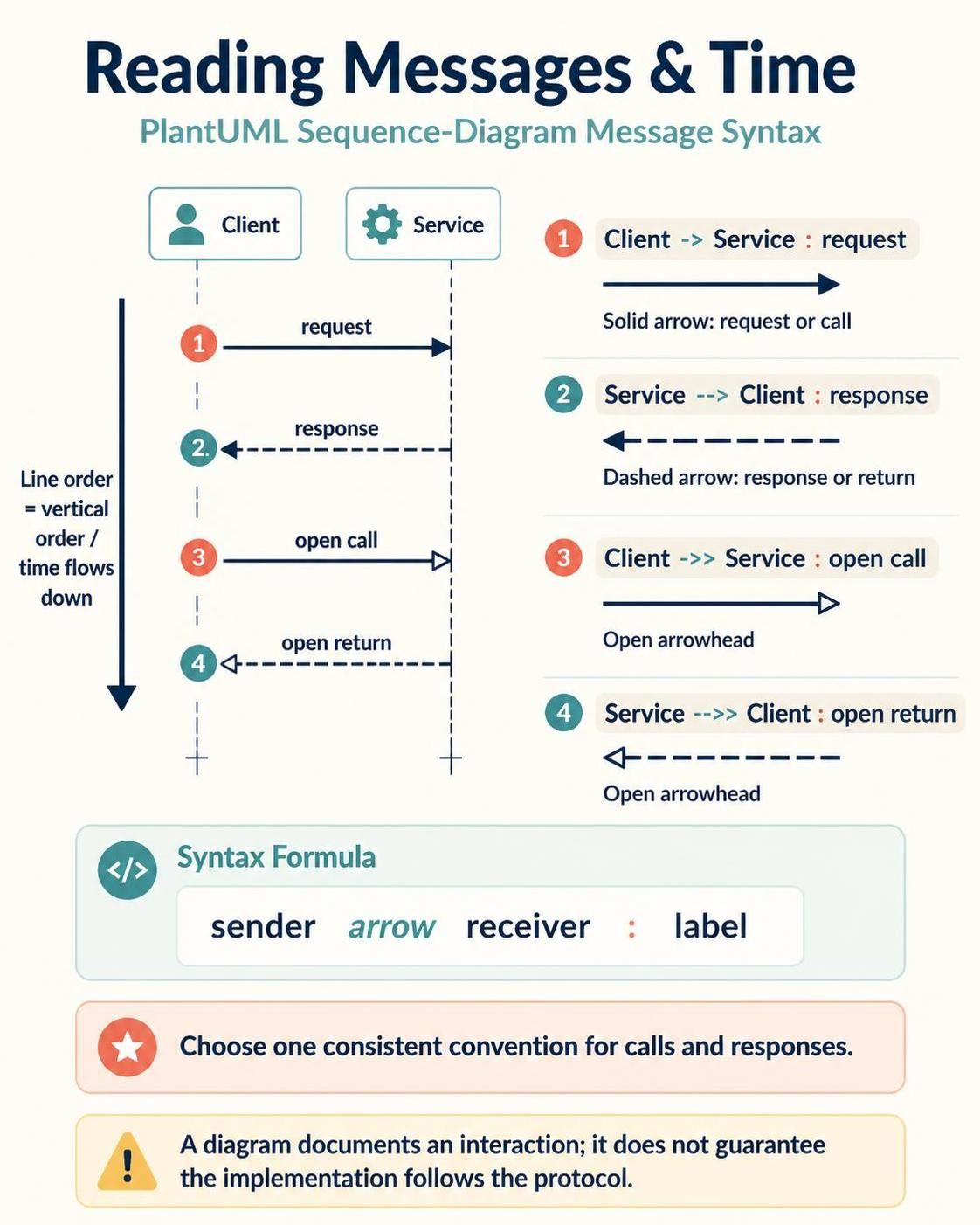
Master PlantUML sequence diagrams by learning message syntax, time flow, and request-response conventions to visualize software interactions effectively.
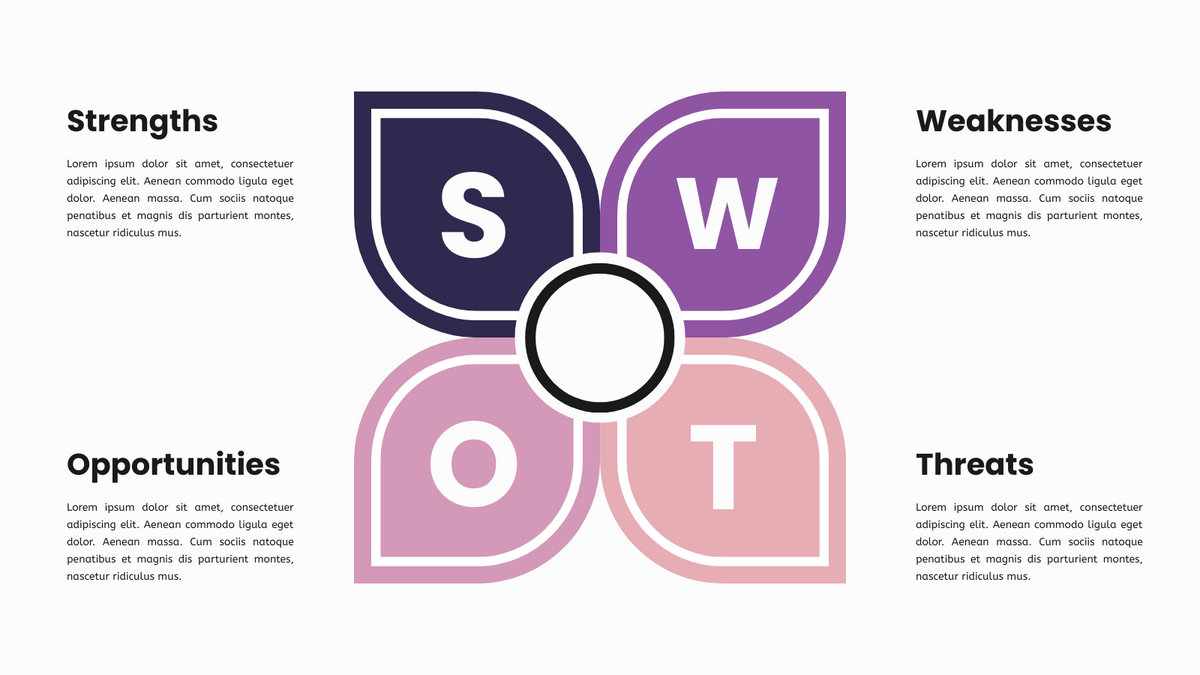
Discover how the Petal-Style SWOT Analysis transforms strategic planning by visualizing internal strengths, weaknesses, opportunities, and threats as an interconnected, dynamic model for holistic decision-making.
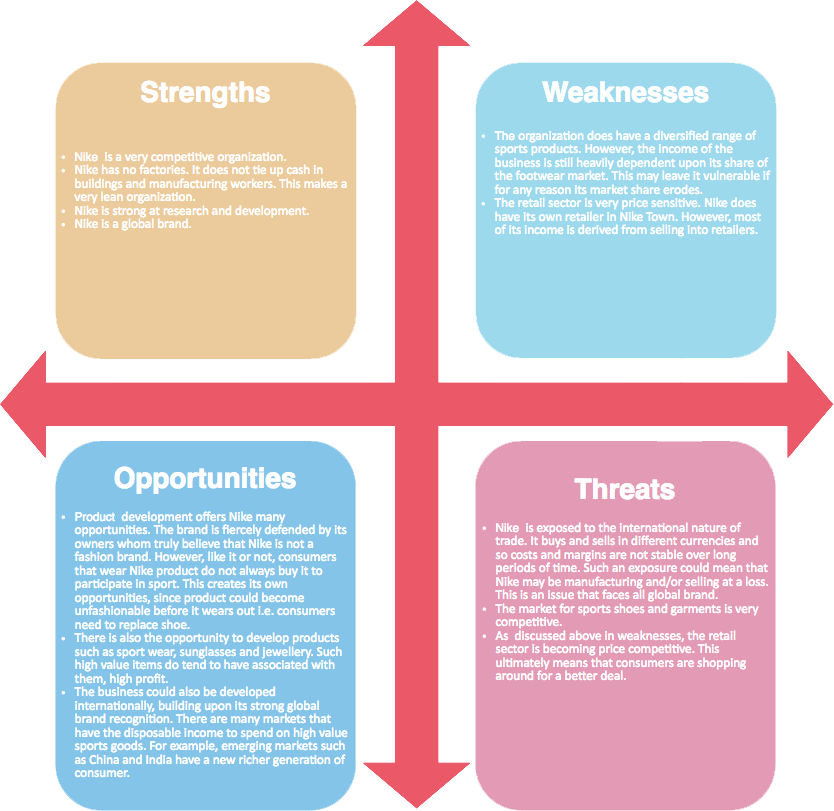
Learn to architect robust SWOT diagrams using Visual Paradigm, mapping internal and external factors through quadrant modeling with the Nike case study as a technical reference.
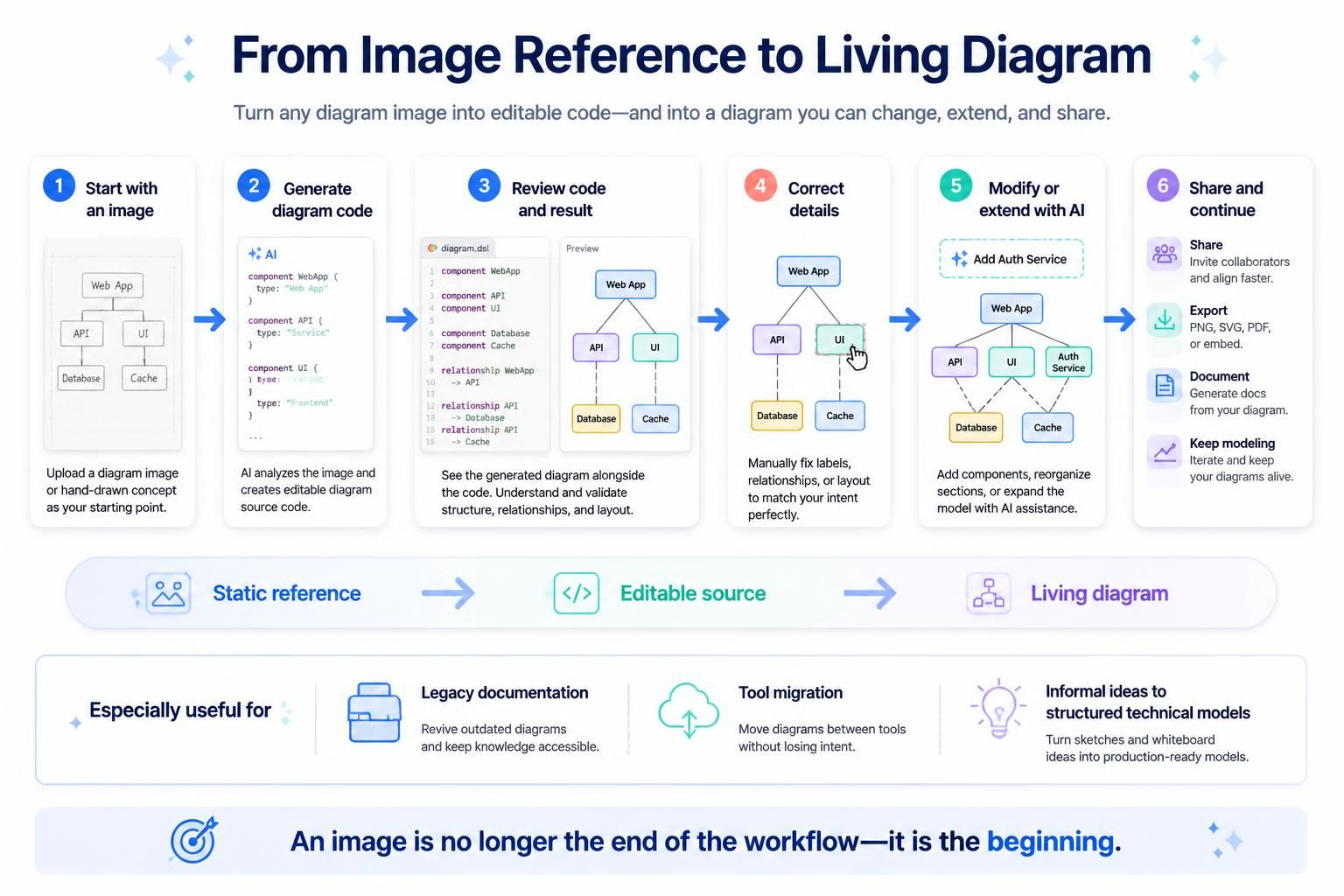
Transform static images into editable, version-controlled models using Visual Paradigm’s AI-powered “Diagram-as-Code” workflow to bridge visual concepts and living architecture.
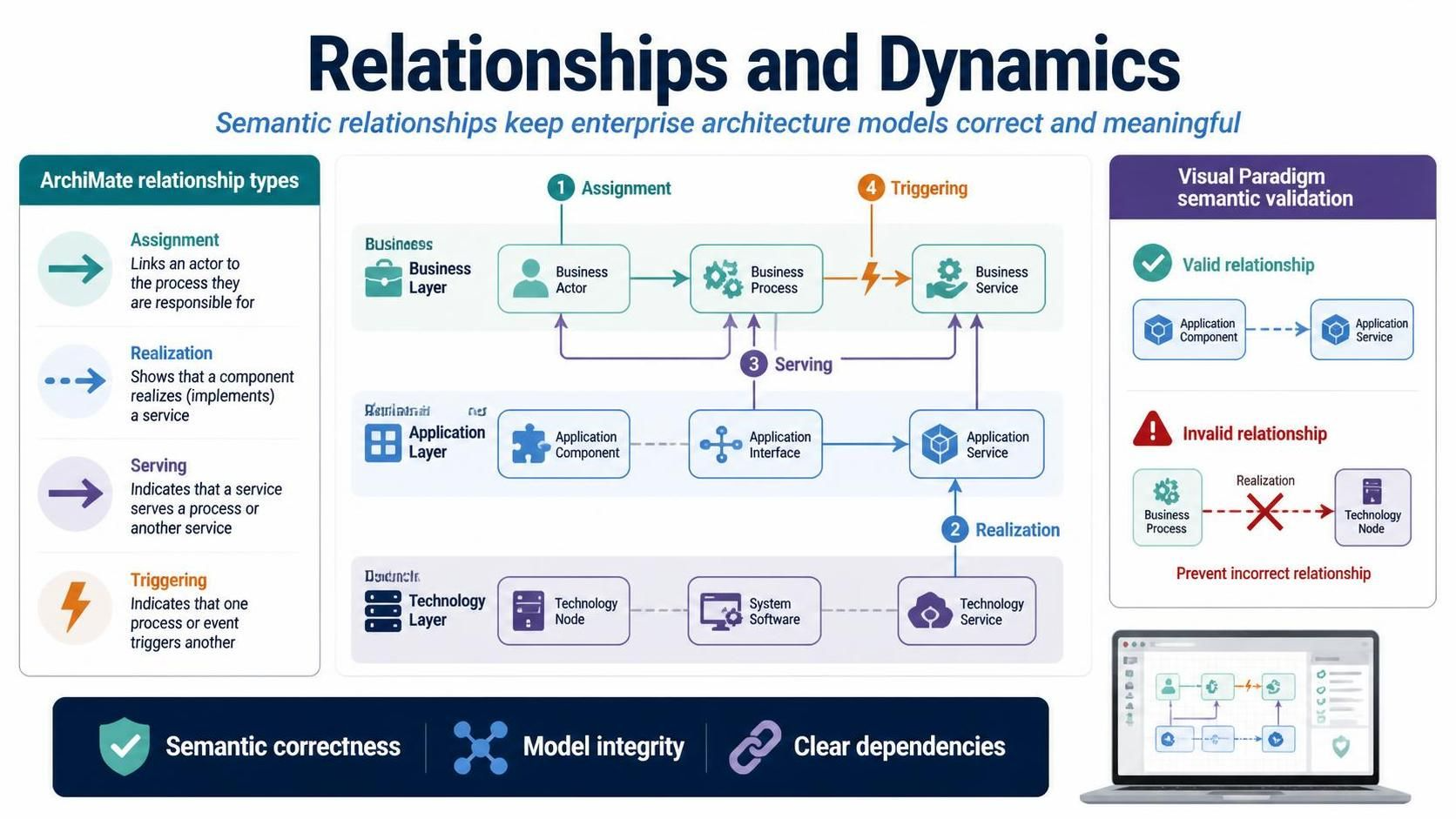
Master ArchiMate relationships and semantic validation in Visual Paradigm to ensure model integrity across business, application, and technology layers.
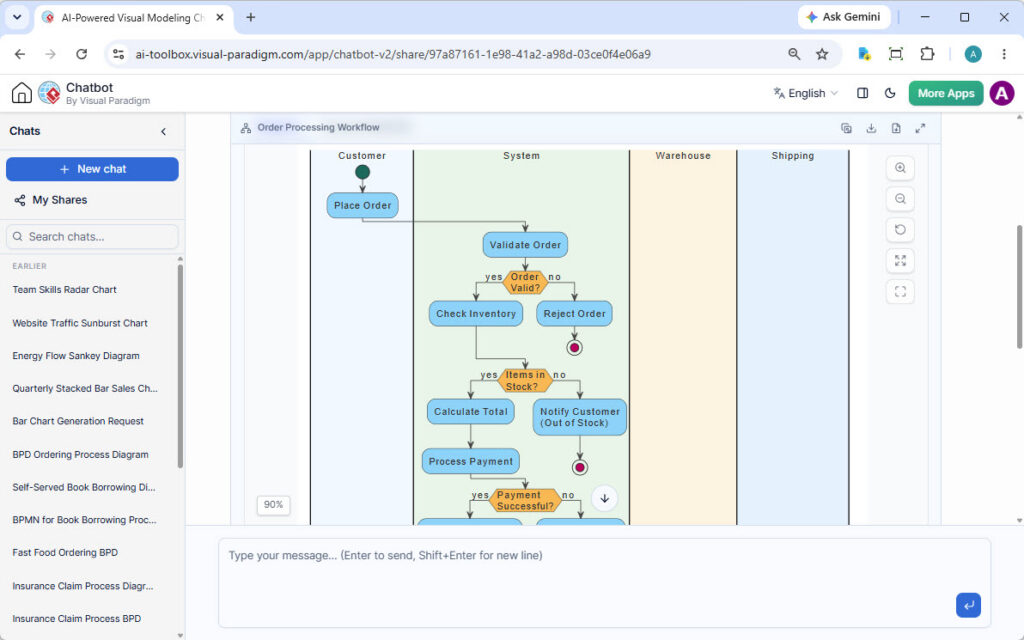
Learn how AI-driven conversational modeling transforms natural language into rigorous UML Activity Diagrams using Visual Paradigm’s intent recognition and structural mapping.
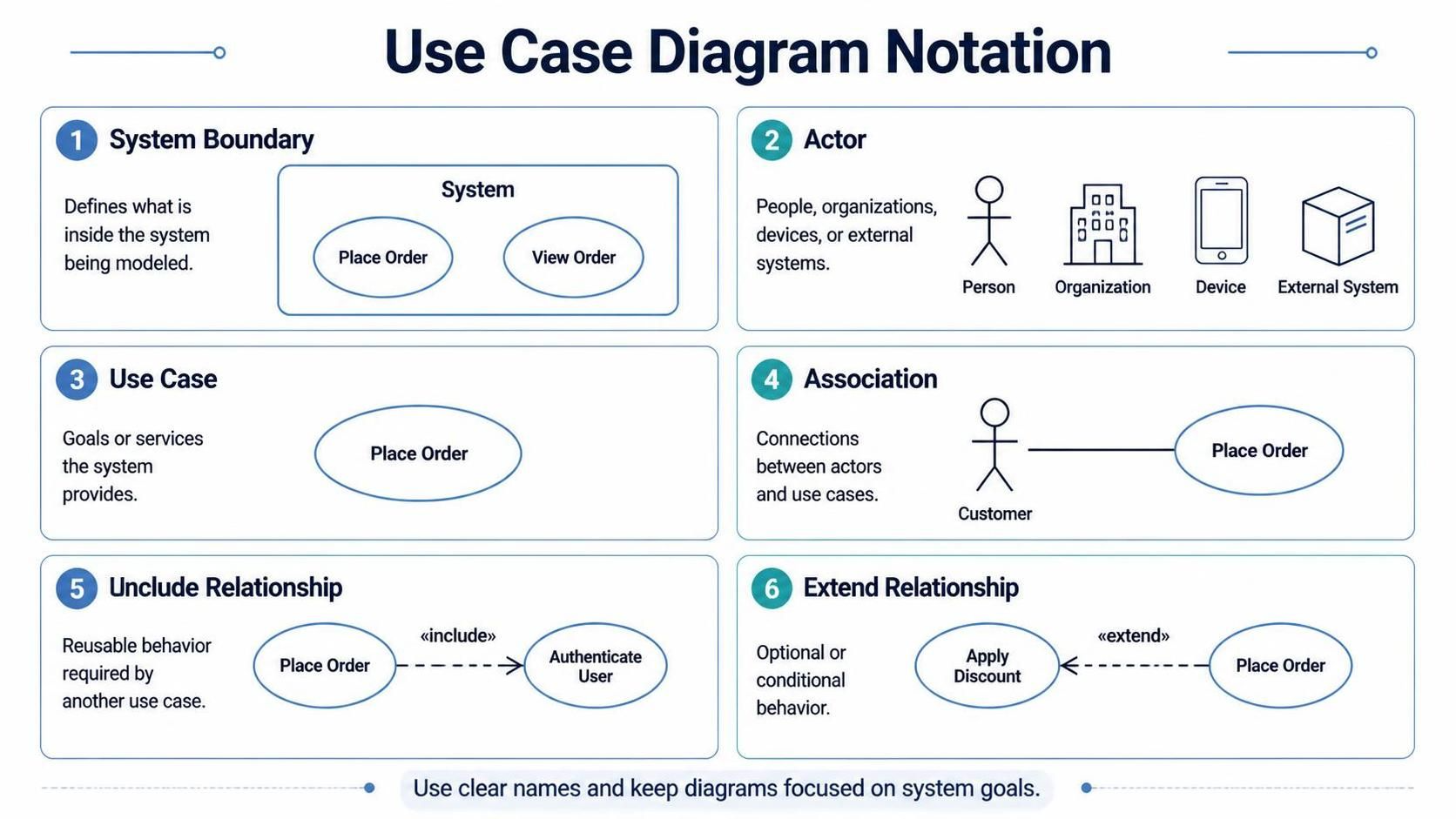
Learn how to master UML use case diagram notation to define system boundaries and identify actors, bridging business requirements with technical implementation.
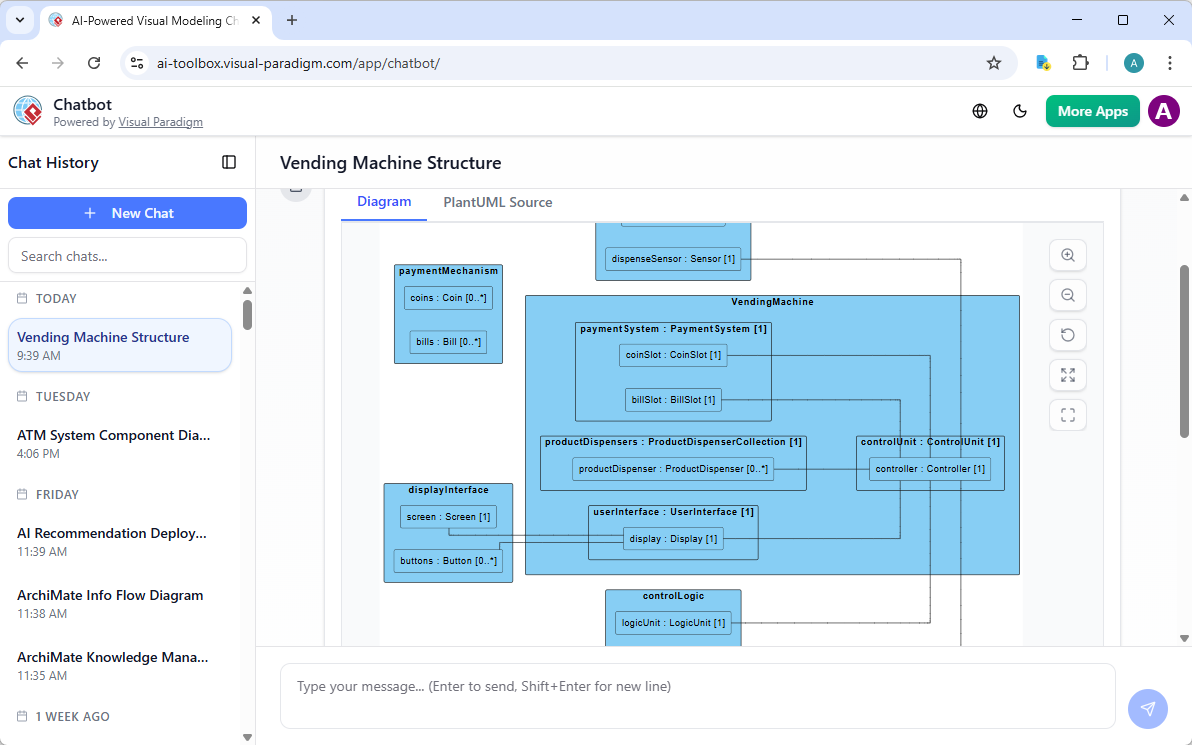
Learn to architect a Vending Machine system with VPasCode, mastering component modeling, interfaces, and multiplicity constraints for executable, text-driven software design.
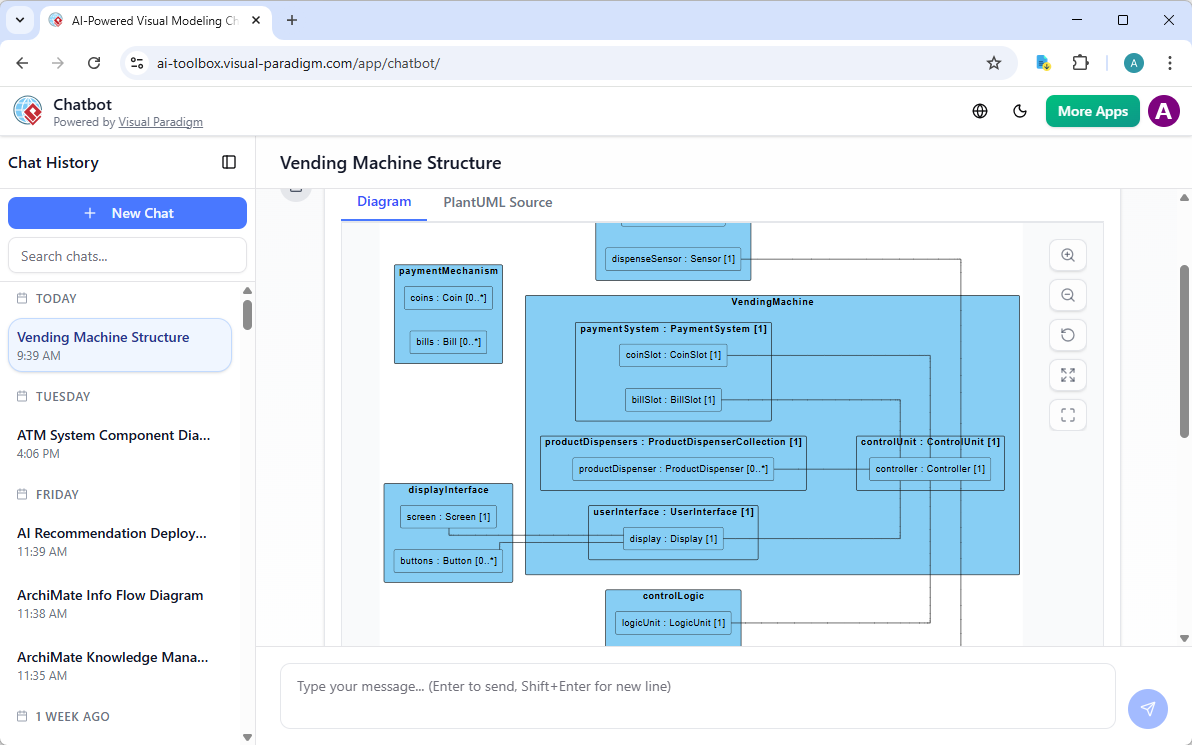
Discover how to use AI Chatbots to instantly generate Vending Machine component diagrams with PlantUML, mastering UML structural modeling, interfaces, and multiplicity for efficient software architecture.
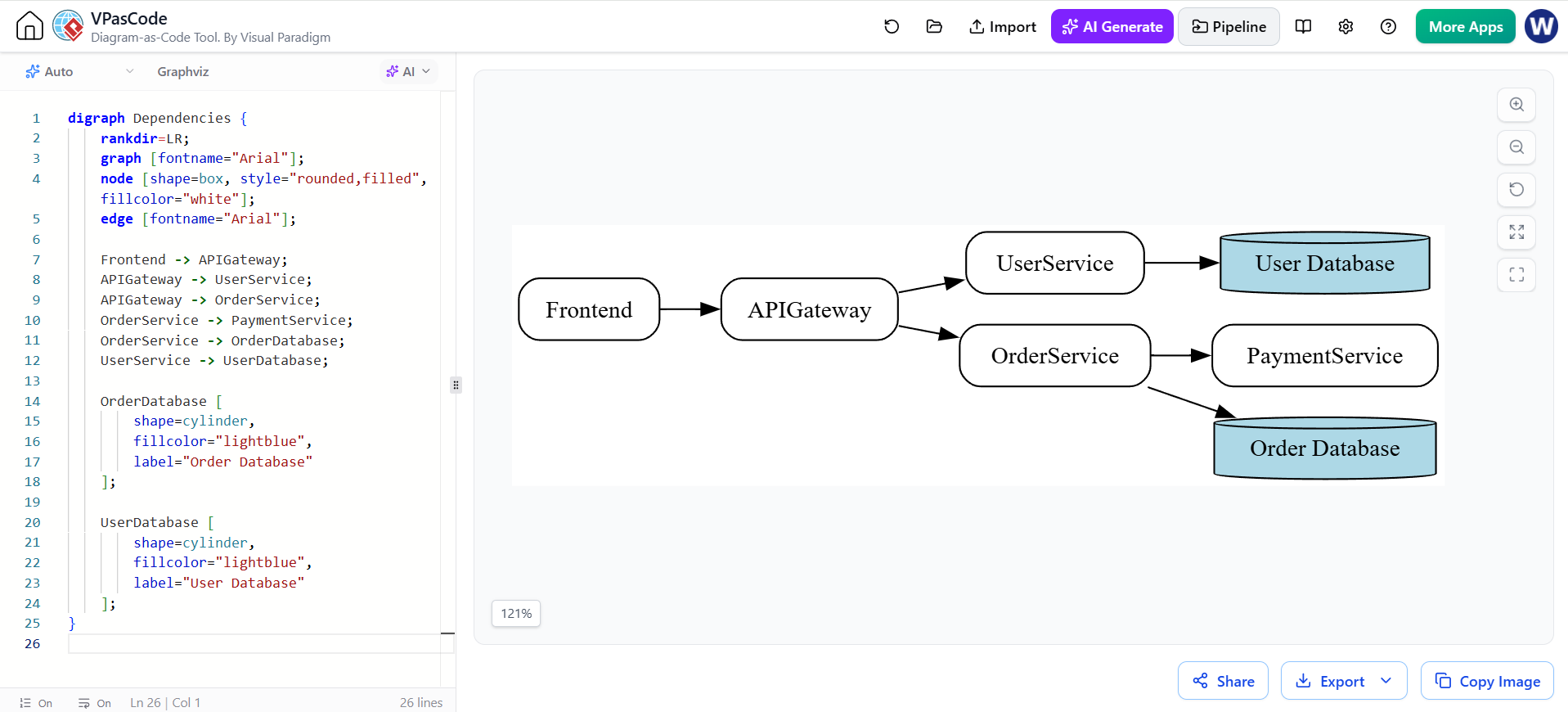
Learn to model software dependencies using Graphviz in VPasCode to identify bottlenecks, manage database ownership, and visualize service coupling for scalable architecture.