


In the complex world of enterprise architecture, the gap between abstract strategy and concrete execution is often bridged by deliverables. According to the TOGAF 10 Standard, understanding the distinction between various types of architecture work products is essential for clear communication and project management. This tutorial breaks down the concept of Architecture Deliverables, explores the specific artifacts included in this category, and discusses how modern tooling like Visual Paradigm TOGAF ADM Tool can streamline these processes.
What are Architecture Deliverables?
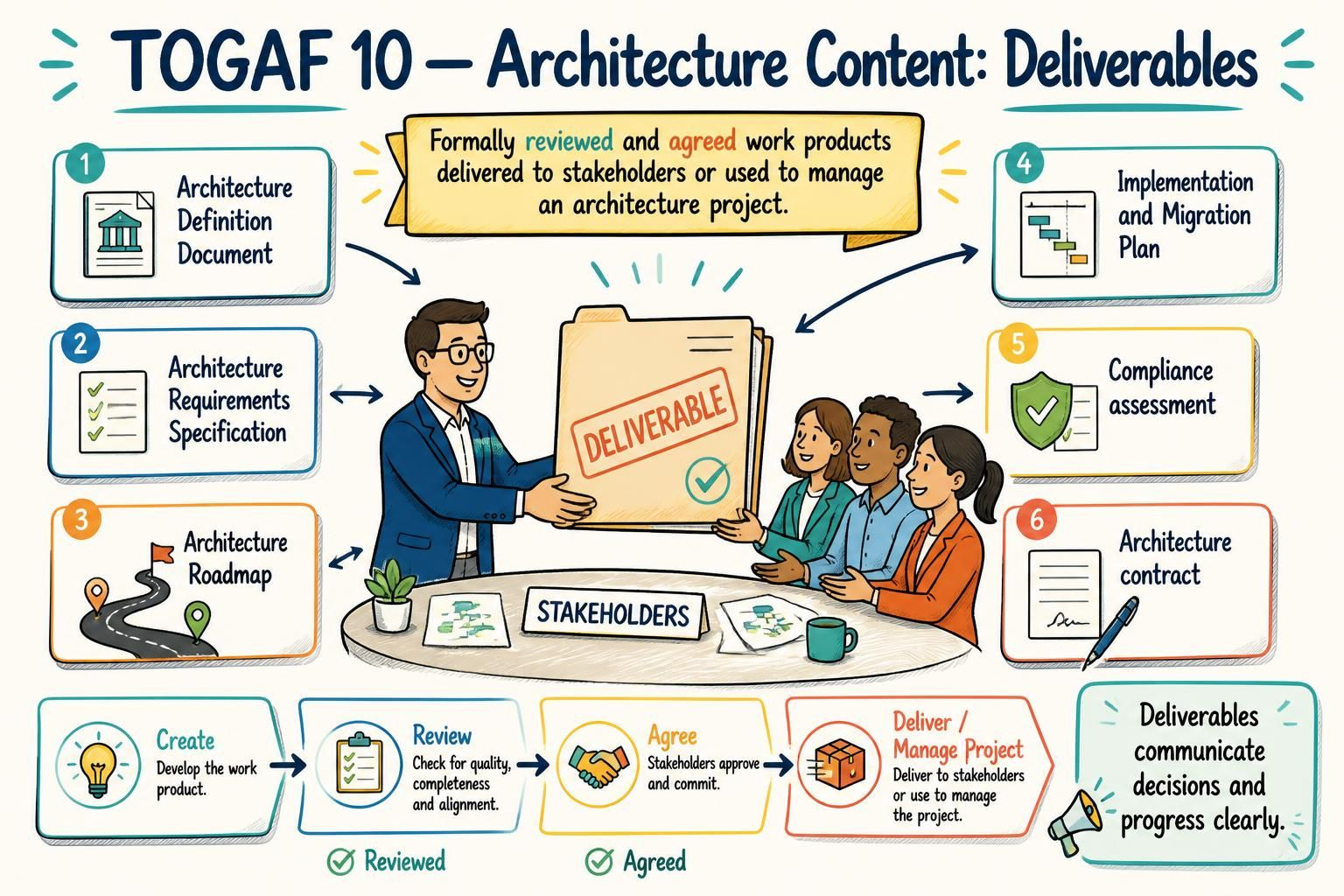
To begin, we must define what constitutes a deliverable in the context of TOGAF. Unlike internal working notes or rough drafts, a Deliverable is a formally reviewed and agreed-upon work product. It is the tangible output of the Architecture Development Method (ADM) that is handed over to stakeholders.
The primary purpose of a deliverable is twofold:
- Communication: To inform stakeholders of decisions and progress.
- Management: To serve as a baseline for managing the architecture project.
The Lifecycle of a Deliverable
Before a document becomes a deliverable, it must pass through a rigorous lifecycle. As illustrated in TOGAF best practices, this process ensures quality and alignment. The flow generally follows these steps:
- Create: The architect develops the work product based on the requirements of the specific ADM phase.
- Review: The artifact is checked for quality, completeness, and alignment with enterprise standards. This ensures that the information is accurate and usable.
- Agree: Stakeholders must review and approve the artifact. This step formalizes the commitment to the architecture.
- Deliver / Manage: Once agreed upon, the deliverable is officially distributed to stakeholders or utilized to manage the project.
Key TOGAF 10 Deliverables Explained
TOGAF 10 identifies six specific examples of deliverables that are critical for successful enterprise architecture. Let’s examine each one to understand its specific role.
1. Architecture Definition Document
This is the comprehensive report that summarizes the architecture for a specific project. It provides a high-level view of the architecture and the rationale behind the decisions made. It serves as the primary reference point for the stakeholders to understand the “what” and “why” of the proposed solution.
2. Architecture Requirements Specification
Often derived during the Preliminary Phase or Phase A, this document captures the constraints and requirements for the architecture. It defines the boundaries of the project, ensuring that the final solution meets the necessary business and technical needs.
3. Architecture Roadmap
A roadmap is a strategic plan that outlines the transition from the Baseline Architecture to the Target Architecture. It breaks down the journey into logical increments or work packages, helping organizations understand the sequence of implementation over time.
4. Implementation and Migration Plan
While the roadmap provides the strategy, the Implementation and Migration Plan provides the tactical execution details. It details the specific projects, resources, and timelines required to move the organization from its current state to the future state.
5. Compliance Assessment
To ensure that the architecture adheres to the standards set by the enterprise, a Compliance Assessment is performed. This deliverable documents the results of evaluating the architecture against relevant standards, regulations, and policies.
6. Architecture Contract
This is a formal agreement between the architecture team and the project team. It defines the scope of the architecture work and ensures that the project team understands the architectural constraints and requirements they must adhere to during implementation.
Optimizing the Process with Visual Paradigm
Managing these six critical deliverables manually can be cumbersome and error-prone. To maintain the rigor required by the “Review” and “Agree” steps, architects often turn to specialized software.
The Recommended Tooling of Visual Paradigm TOGAF ADM Tool is designed specifically to support the Architecture Development Method. By utilizing this tool, architects can:
- Automate Traceability: Link requirements directly to architectural elements, making the Architecture Requirements Specification easier to maintain.
- Streamline Documentation: Generate the Architecture Definition Document automatically from your models, ensuring consistency between diagrams and text.
- Collaborate Effectively: Facilitate the “Agree” step by allowing stakeholders to review and comment on artifacts within the platform before formal approval.
Conclusion
Understanding and effectively managing Architecture Deliverables is fundamental to the TOGAF 10 framework. By distinguishing these formally reviewed products from other work products, architects can ensure clear communication and successful project management. Whether you are drafting an Architecture Roadmap or an Architecture Contract, the goal remains the same: to deliver value to the enterprise through structured, agreed-upon architectural artifacts.
Related posts:
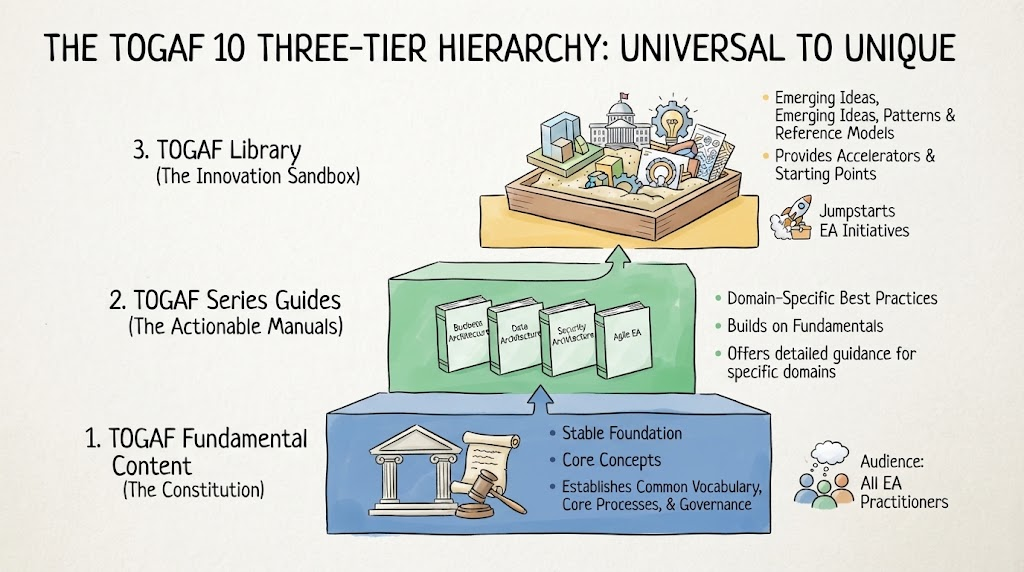 Navigating TOGAF 10: A Deep Dive into the Three-Tier Hierarchy System
 Accelerating TOGAF ADM with Visual Paradigm: A Guide to AI-Assisted Impact Analysis
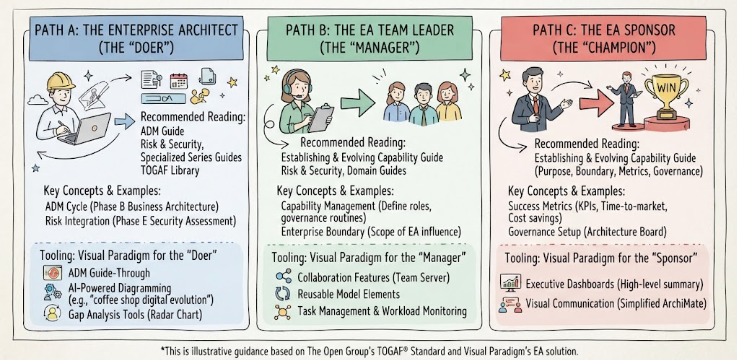 Navigating the TOGAF Enterprise Architecture Journey: A Role-Based Guide to ADM, ArchiMate, and Visual Paradigm
 Mastering Flexible Enterprise Architecture: How Visual Paradigm Empowers the TOGAF 10 Modular Approach