


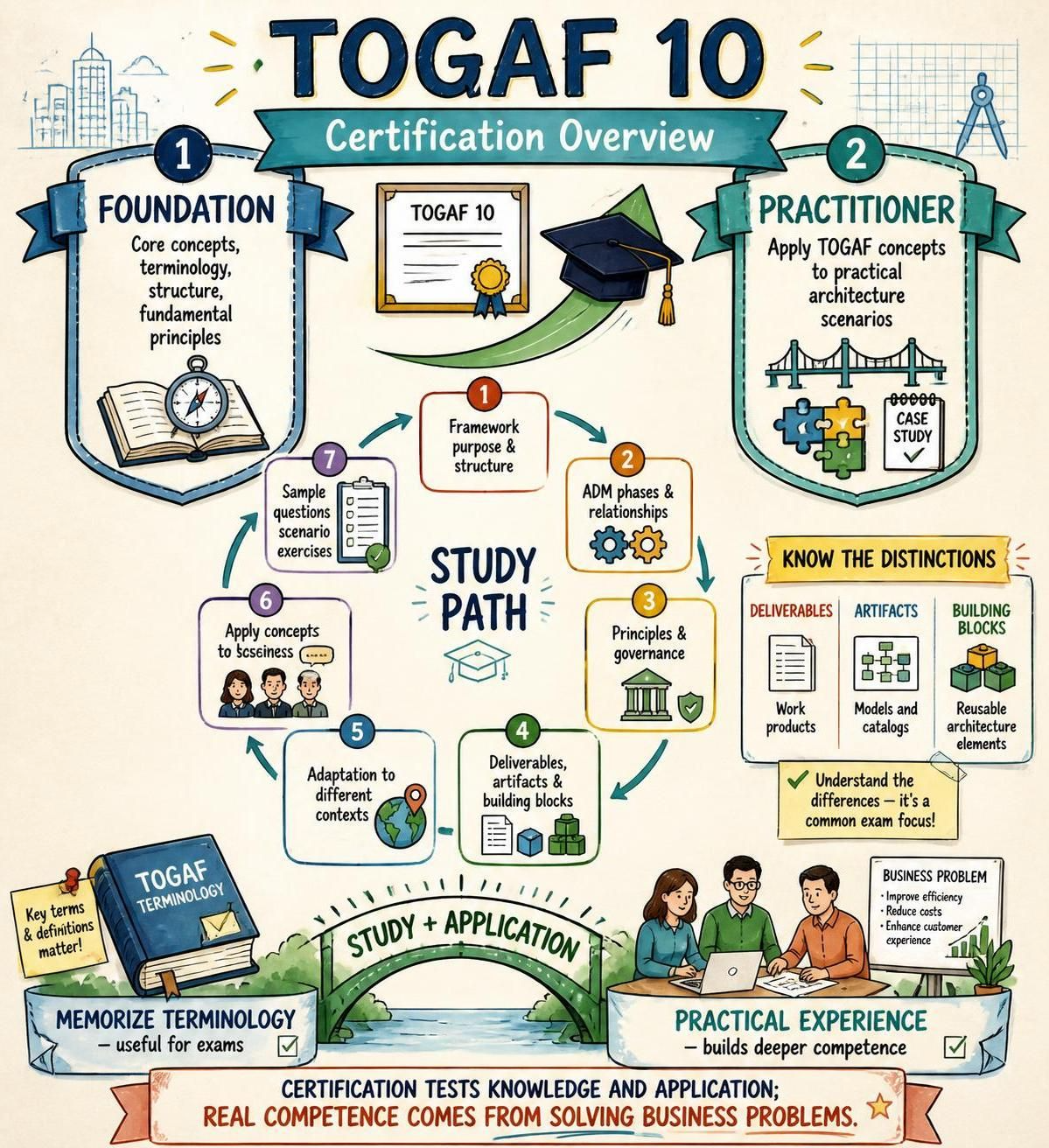
Preparing for the TOGAF 10 Certification is a journey that bridges the gap between academic theory and real-world business problem-solving. Whether you are a novice enterprise architect or a seasoned IT professional, understanding the structured learning path is crucial for success. This tutorial breaks down the certification overview, the study path, and the critical distinctions you need to master.
Understanding the Two Pillars of Certification
The TOGAF 10 certification framework is built on two distinct but complementary levels. Success in this field requires proficiency in both:
- Foundation Level: This stage tests your knowledge of the core concepts, terminology, structure, and fundamental principles. It ensures you speak the language of architecture fluently.
- Practitioner Level: This stage tests your ability to apply TOGAF concepts in practical architecture scenarios. It moves beyond “what” the framework is to “how” it works in the real world.
The 7-Step Study Path
To move from the Foundation to the Practitioner level, you should follow a structured study path. This approach ensures you build a solid mental model of the architecture development process.
1. Master the Framework Purpose & Structure
Before diving into details, understand the why. Learn the purpose of the framework and how its structure supports business needs. This sets the stage for all subsequent learning.
2. Understand the ADM Phases
The Architecture Development Method (ADM) is the heart of TOGAF. You must understand the phases of the ADM and their relationships. This cyclical process guides you from a high-level vision to detailed implementation.
3. Principles & Governance
Architecture is not just about drawing diagrams; it’s about ensuring alignment. Study the architecture principles and governance structures that keep an organization on track and ensure consistency.
4. Delimiting the Deliverables
You will encounter a vast array of documentation and outputs. A critical part of your study is reviewing deliverables, artifacts, and building blocks. Knowing what to produce and when is a key skill.
5. Adapting to Context
TOGAF is a framework, not a rigid set of rules. Learn how the framework is adapted to different contexts. One size does not fit all; you must be able to tailor the approach to specific business environments.
6. Application to Business Scenarios
Move beyond definitions. Practice applying concepts to business scenarios. This step is vital for the Practitioner exam, where you will be asked to solve problems based on case studies.
7. Exam Preparation & Distinctions
Finally, review sample questions and scenario-based exercises. A common pitfall for candidates is confusing similar concepts. Focus heavily on distinguishing between Deliverables (work products), Artifacts (models and catalogs), and Building Blocks (reusable architecture elements).
The Balance: Terminology vs. Competence
The study process involves a delicate balance. As highlighted in the certification overview, memorizing terminology is useful for examinations, but applying architecture concepts to real business problems develops deeper competence. Real competence comes from solving business problems, not just defining terms.
To facilitate this practical application, using the right tools is essential. For professionals looking to model these complex architectures, the Recommended tooling of Visual Paradigm TOGAF ADM Tool provides a robust environment for mapping the ADM phases and managing the artifacts discussed above.
Conclusion
Remember, the certification tests knowledge and application. By combining your study of the framework with practical experience—perhaps using advanced modeling tools—you will not only pass the exam but also build the skills necessary to drive architectural success in your organization.
Related posts:
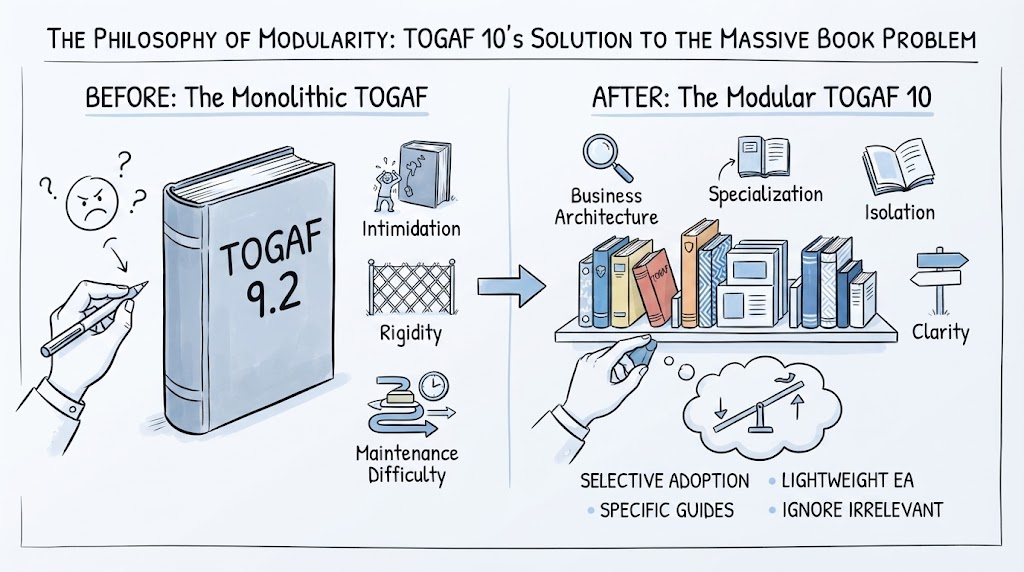 Mastering Modularity: How TOGAF 10 Solves the “Massive Book Problem” with Strategic Flexibility
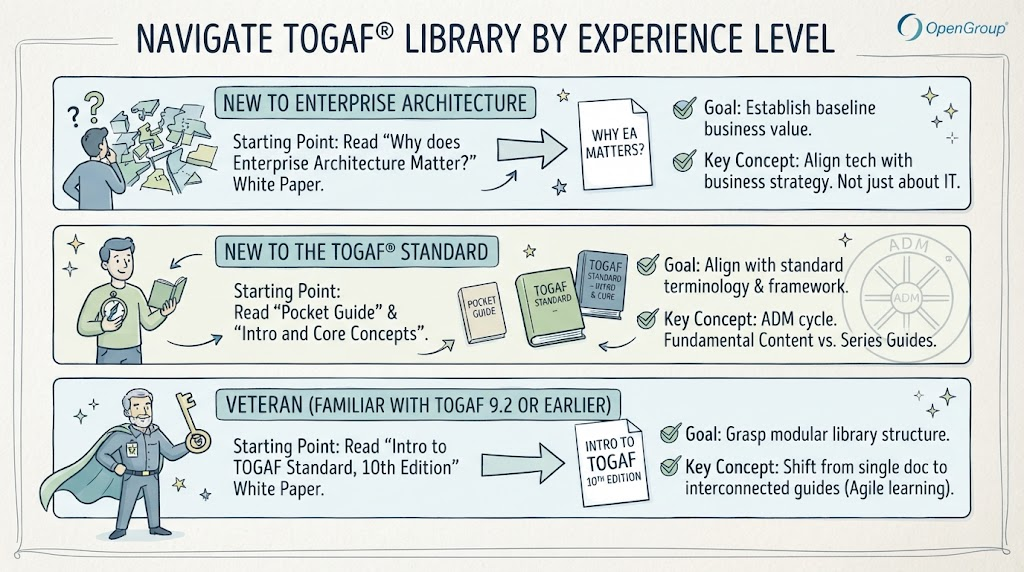 Navigating the TOGAF® Library: A Tiered Approach to Enterprise Architecture Mastery
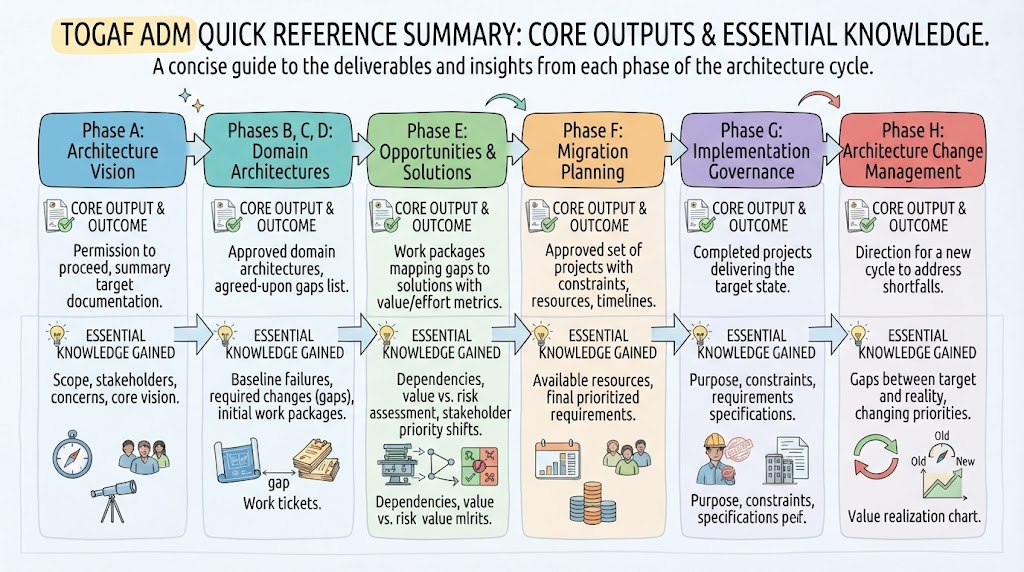 Mastering the TOGAF ADM Cycle: A Visual Guide to Architecture Outputs and Outcomes
 Accelerating Enterprise Architecture: Why Visual Paradigm is the Ideal Companion for TOGAF 10