


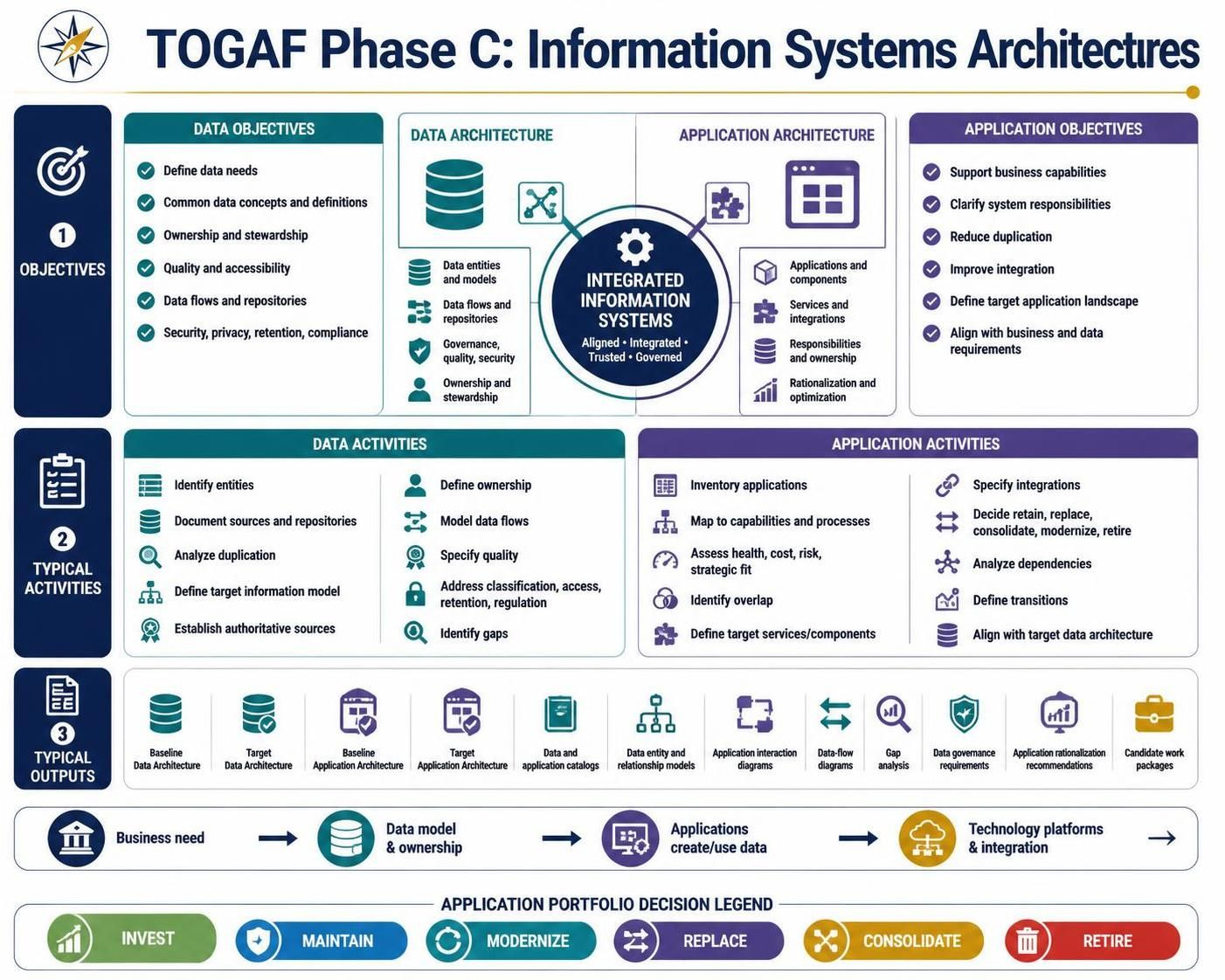
In the world of enterprise architecture, few phases are as critical as Phase C: Information Systems Architectures. This phase is the bridge between high-level business strategy and the technical reality of how data is stored and how applications function. Often, organizations struggle here because they treat data and applications as separate silos. However, as the TOGAF standard dictates, these two must be developed in unison to create an Integrated Information System.
This tutorial will walk you through the core concepts, objectives, activities, and outputs of Phase C, providing the technical insights needed to design a robust architecture.
The Core Philosophy: Integrated Information Systems
The central concept of Phase C is the integration of two distinct but interdependent architectures: Data Architecture and Application Architecture. While they are analyzed separately to ensure depth, they must be integrated to ensure functionality.
Think of the Data Architecture as the “what”—the information assets the organization owns. Think of the Application Architecture as the “how”—the software tools used to process that information. When combined, they form the backbone of the enterprise’s information capabilities.
Section 1: Data Architecture (The Foundation)
Data Architecture describes the structure of an organization’s logical and physical data assets and data management resources. It is not just about database schemas; it is about the governance and lifecycle of data.
Key Objectives
The primary goal is to define the organization’s data needs and establish a unified view. Key objectives include:
- Defining Data Needs: Understanding what data is required to support business processes.
- Establishing Concepts: Creating common definitions to ensure everyone understands what a “Customer” or “Product” means across the enterprise.
- Governance: Identifying who owns the data (Data Stewardship) and ensuring its quality, security, and compliance.
- Flow and Repositories: Designing how data moves between systems and where it is stored.
Typical Activities
Architects engage in several critical tasks during this phase:
- Identify Key Entities: Determine the core data entities (e.g., Customer, Order, Invoice).
- Model Data Flows: Map how data moves from one business activity to another.
- Establish Authority: Define “Authoritative Sources”—the single source of truth for critical data to prevent the “multiple versions of the truth” problem.
- Analyze Duplication: Look for inconsistencies where the same data is stored in multiple places with conflicting values.
Common Issues Addressed
Phase C is often triggered by specific issues, such as:
- Customer information being fragmented across multiple systems.
- Departments using different identifiers for the same entity.
- Manual reporting processes that are prone to error.
- Lack of clear ownership for sensitive data.
Section 2: Application Architecture (The Enabler)
Application Architecture describes the lifecycle and interaction of the software systems that support the business. It moves beyond a simple list of software to a strategic view of the application landscape.
Key Objectives
The aim is to create a landscape that is agile, efficient, and aligned with business goals:
- Support Capabilities: Identify which applications are needed to deliver specific business capabilities.
- Clarify Responsibilities: Ensure every application has a clear role and function.
- Reduce Duplication: Eliminate redundant systems that perform the same function.
- Improve Integration: Ensure systems can talk to each other seamlessly.
Application Rationalization Decisions
A critical part of Phase C is the Application Portfolio Decision. Architects must categorize existing applications into one of the following strategic buckets:
- Invest: Strengthen the application because it is strategically important.
- Maintain: Keep the system running with limited changes (often legacy systems).
- Modernize: Improve the architecture, platform, or usability of an existing app.
- Replace: Move to a better-fit solution (e.g., switching to SaaS).
- Consolidate: Combine overlapping systems to reduce complexity.
- Retire: Remove a system entirely because the capability is no longer needed.
Section 3: The Relationship Between Data and Applications
The most critical insight in Phase C is understanding the symbiotic relationship between data and applications. You cannot design one without the other.
The Flow of Logic:
- Business Architecture: Defines the need for accurate customer information.
- Data Architecture: Defines the Customer Data Model and who owns that data.
- Application Architecture: Identifies which applications will create, update, and consume that customer data.
- Technology Architecture: Defines the platforms and integration mechanisms that support it.
If you build an application without a defined data model, you risk creating “data silos.” If you define a data model without supporting applications, you have no way to operationalize that data.
Section 4: Typical Outputs and Deliverables
Upon completing Phase C, an architecture firm or internal team will produce a suite of artifacts. These are the tangible results of the analysis:
- Baselines and Targets: Documentation of the current state (Baseline) and the desired future state (Target) for both Data and Application architectures.
- Catalogs: Lists of all data entities and applications in the landscape.
- Models: Data entity and relationship models, application interaction diagrams, and data-flow diagrams.
- Gap Analysis: A detailed list of the differences between the current and target states.
- Rationalization Recommendations: Specific plans to retire, replace, or consolidate applications.
Conclusion
Phase C is the engine room of the TOGAF ADM cycle. It transforms abstract business needs into concrete technical requirements. By rigorously analyzing data structures and application portfolios, architects ensure that the enterprise is not just “running,” but running efficiently, securely, and in alignment with its strategic goals.
For professionals looking to implement these concepts effectively, using robust tooling is essential to manage the complexity of these diagrams and models. We highly recommend the Visual Paradigm TOGAF ADM Tool for its comprehensive support of data modeling, application mapping, and gap analysis workflows.
Related posts:
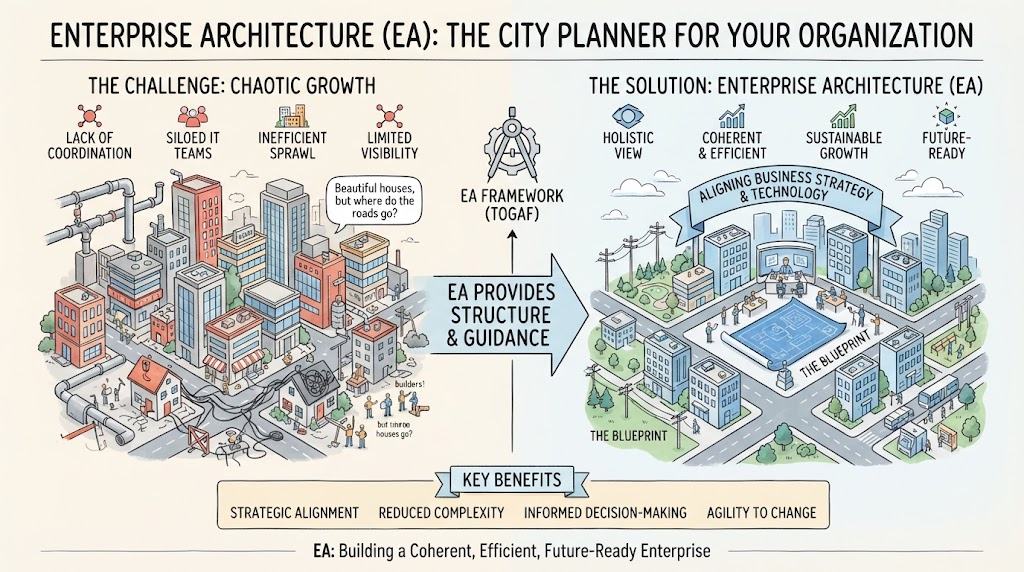 Enterprise Architecture as City Planning: A Visual Guide to TOGAF & Strategic Alignment
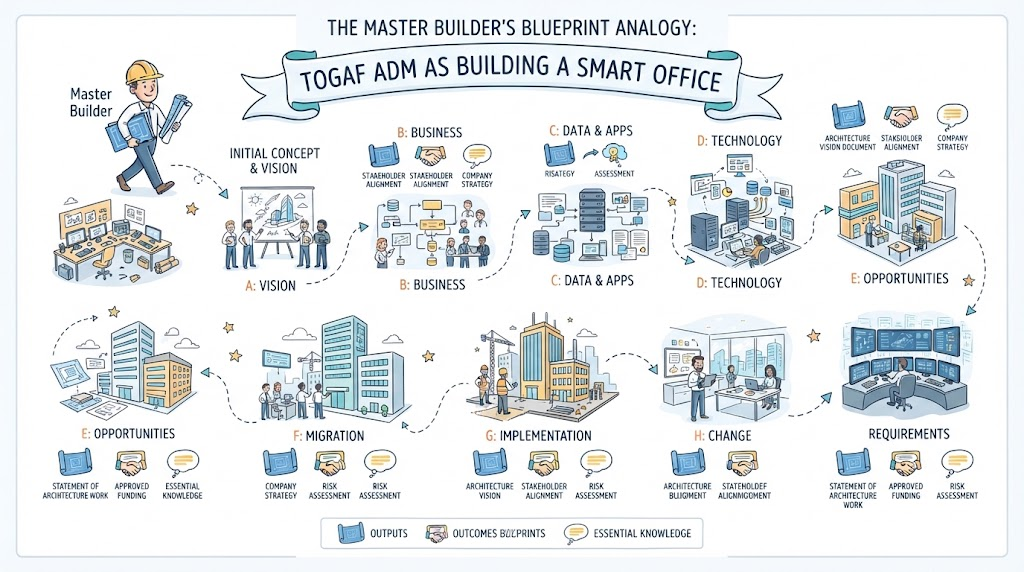 The Master Builder’s Blueprint Analogy: A Step-by-Step Guide to the TOGAF ADM
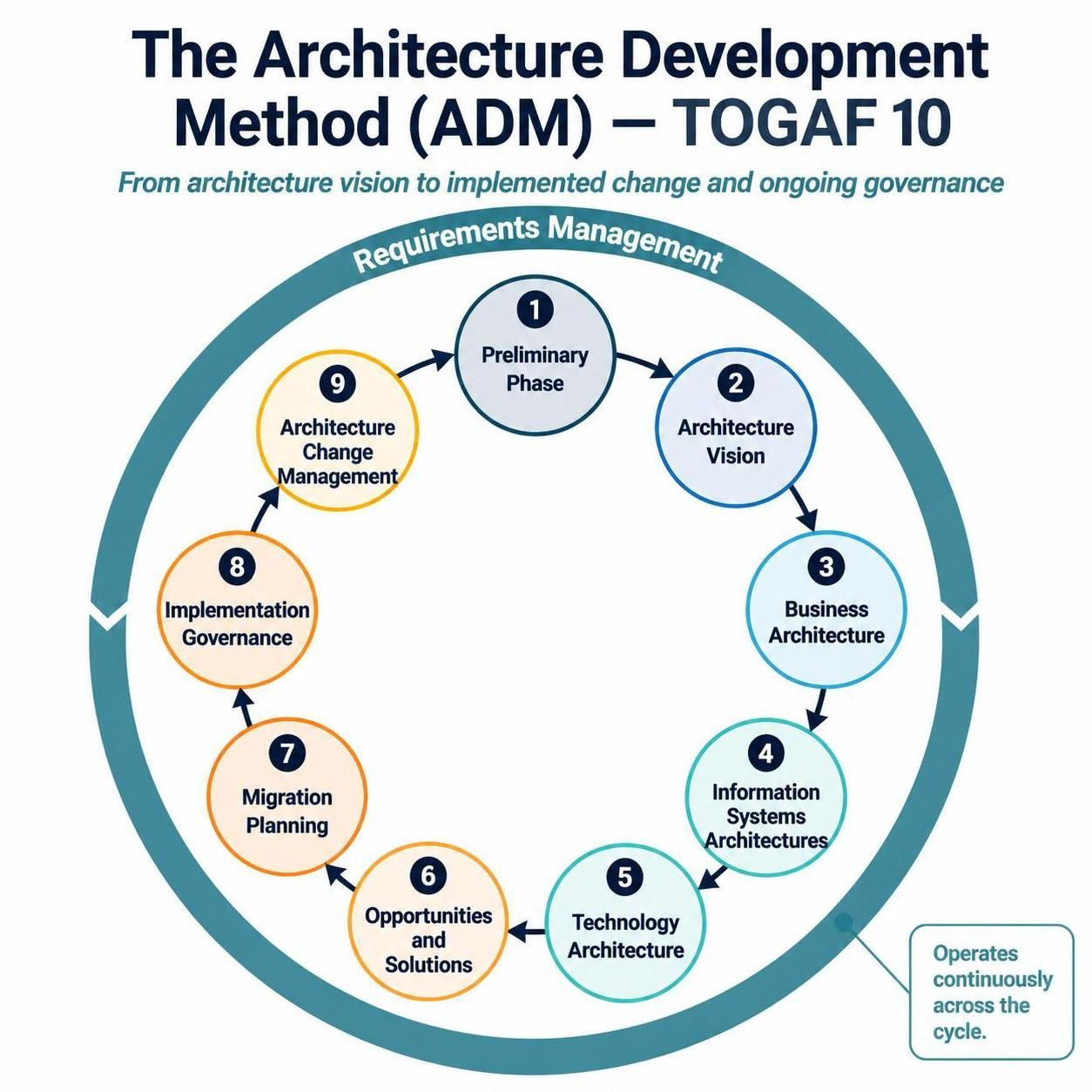 Mastering Enterprise Architecture: A Step-by-Step Guide to the TOGAF ADM Cycle
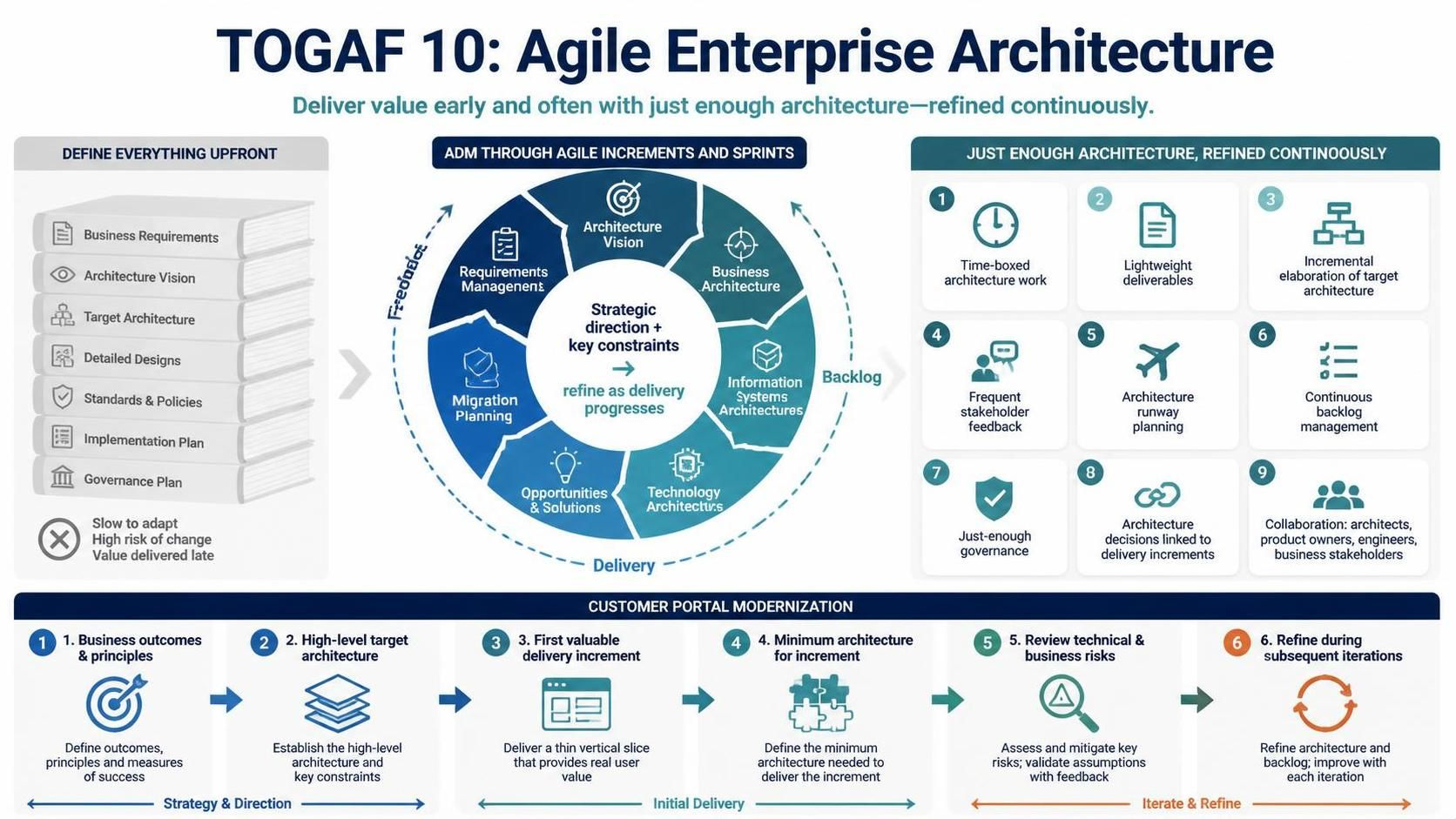 Mastering Agile Enterprise Architecture: A Step-by-Step Guide to TOGAF 10