


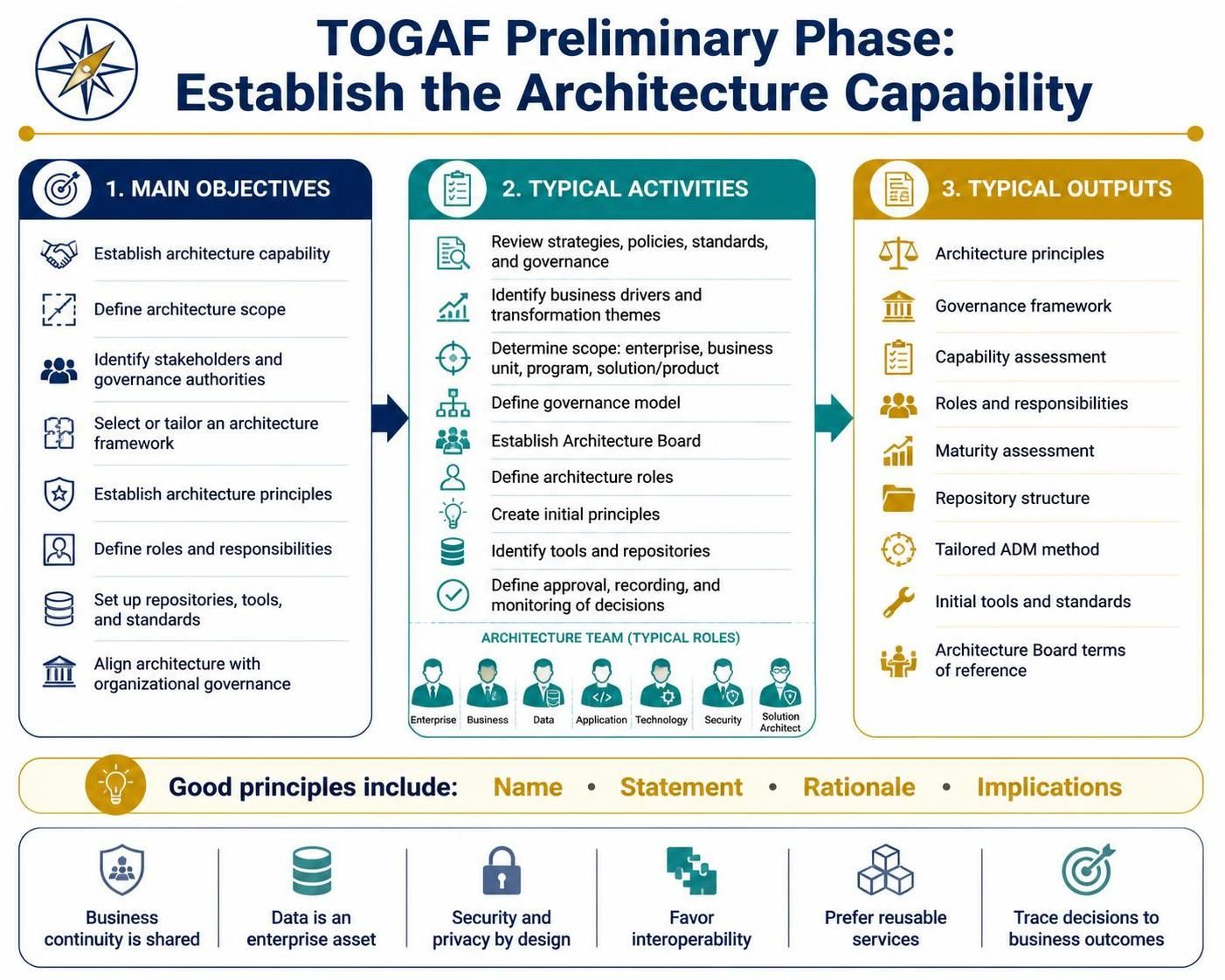
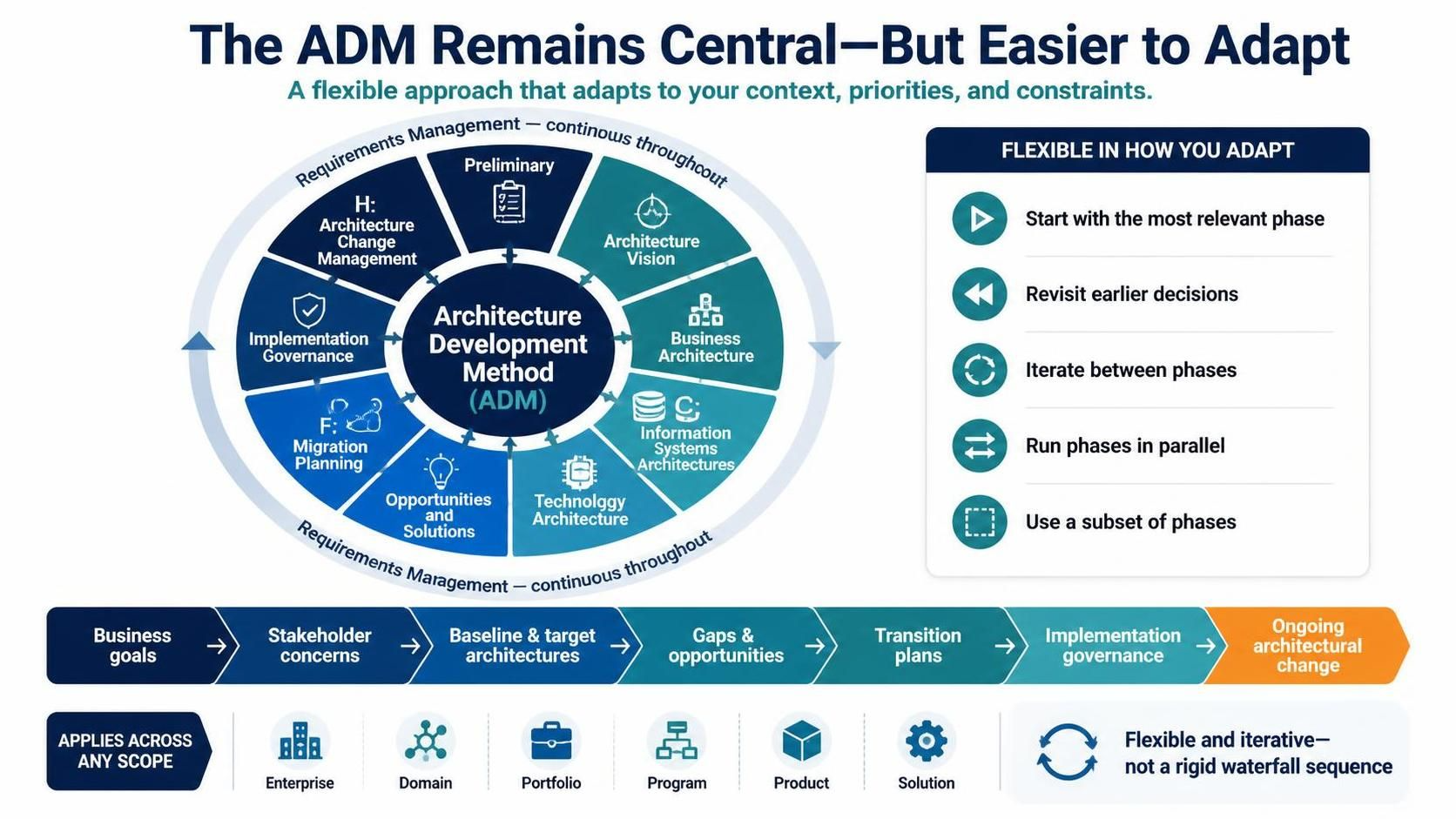
Welcome to this comprehensive tutorial on the foundational step of the TOGAF Architecture Development Method (ADM). Before an organization can begin designing specific IT solutions or business processes, it must first lay the groundwork. This critical first step is known as the Preliminary Phase.
Think of this phase as “building the laboratory before conducting the experiment.” It is about setting up the capability, governance, and principles that will guide all future architectural work. In this guide, we will walk through the objectives, activities, and outputs of this phase, and finally, discuss how to execute this process efficiently using modern tooling.
1. The Main Objectives: Why Do We Need This Phase?
The Preliminary Phase is not about designing a specific system; it is about defining how architecture will be done within the organization. Its primary goal is to prepare the organization to perform architecture work effectively. If you skip this step, you risk creating inconsistent designs, ignoring governance, or failing to align with business goals.
According to the framework, the phase aims to achieve the following core objectives:
- Establish Architecture Capability: Ensure the organization has the right people, processes, and tools to do architecture work.
- Define Scope: Clearly outline if the architecture work covers the whole enterprise, a specific business unit, or a single program.
- Identify Stakeholders: Determine who has the authority to govern architecture decisions.
- Select a Framework: Choose or tailor the specific framework (like TOGAF) to fit organizational needs.
- Establish Principles: Create the high-level rules that will guide all future design decisions.
- Align with Governance: Ensure that the architecture function integrates smoothly with existing organizational governance.
2. Typical Activities: The Step-by-Step Process
For an architect, the Preliminary Phase is a mix of investigation, strategy, and organization. Here are the typical activities you will perform to move from “no architecture function” to “fully operational architecture capability.”
Reviewing Strategies and Policies
Before you can build anything, you must understand the constraints and drivers. You will review existing organizational strategies, policies, standards, and governance processes. This helps you identify the “business drivers” and major transformation themes that the architecture must support.
Defining the Governance Model
You must determine how architecture decisions will be managed. This involves establishing or confirming an Architecture Board (AB). The AB is the body that approves or rejects architectural decisions. You will define their terms of reference and how decisions will be recorded and monitored.
Defining Roles and Responsibilities
An architecture team is rarely a single person. You need to define the roles required to build the capability. Common roles include:
- Chief or Enterprise Architect: The leader of the function.
- Business Architect: Focuses on business strategy and structure.
- Data, Application, and Technology Architects: Specialists in specific layers of the IT stack.
- Security Architect: Ensures security is integrated into the design.
Selecting Tools and Standards
Finally, you must set up the infrastructure for the work. This includes identifying the tools and repositories required to store architecture content. You also need to define the standards for how models and documents will be created.
3. Typical Outputs: What Do We Deliver?
At the end of the Preliminary Phase, you should have a tangible “Architecture Definition” document. The key outputs include:
- Architecture Principles: The guiding rules for decision-making.
- Architecture Governance Framework: The rules for how the Architecture Board operates.
- Capability Assessment: A report on the current state of the organization’s ability to do architecture.
- Maturity Assessment: An evaluation of how mature the organization’s architecture processes are.
- Tailored ADM Method: A customized version of the TOGAF ADM cycle for this specific organization.
4. Crafting Good Architecture Principles
One of the most valuable outputs of this phase is the set of Architecture Principles. These are high-level statements that guide the organization’s behavior and decision-making. A good principle usually includes a Name, a Statement, a Rationale, and Implications.
Based on the context provided, here are examples of strong principles:
- Business Continuity: “Business continuity is a shared organizational responsibility.”
- Data Asset: “Data is treated as an enterprise asset.”
- Security by Design: “Security and privacy are designed into solutions from the beginning.”
- Interoperability: “Technology choices should favor interoperability.”
- Reusability: “Reusable services should be preferred over duplicated capabilities.”
Conclusion: Bringing It All Together
The Preliminary Phase is the bedrock of the TOGAF ADM. Without it, architecture efforts can become chaotic, with no clear direction or governance. By establishing clear principles, defining roles, and setting up the governance board, you ensure that the rest of the architecture development process is smooth and effective.
To manage the complexity of this phase—especially when documenting principles, tracking roles, and maintaining the architecture repository—you need robust software. For organizations looking to streamline this process, we highly recommend the Visual Paradigm TOGAF ADM Tool. This tool provides a dedicated environment to manage the Preliminary Phase, allowing teams to define principles, model the architecture capability, and collaborate effectively on the architecture governance framework.
Related posts:
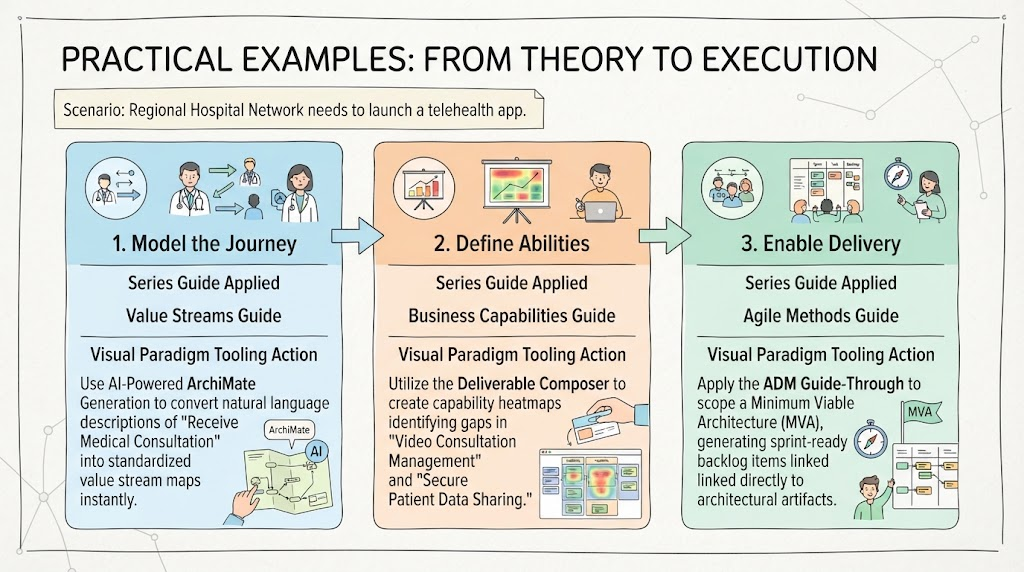 From Theory to Execution: A Practical Guide to Enterprise Architecture with Visual Paradigm
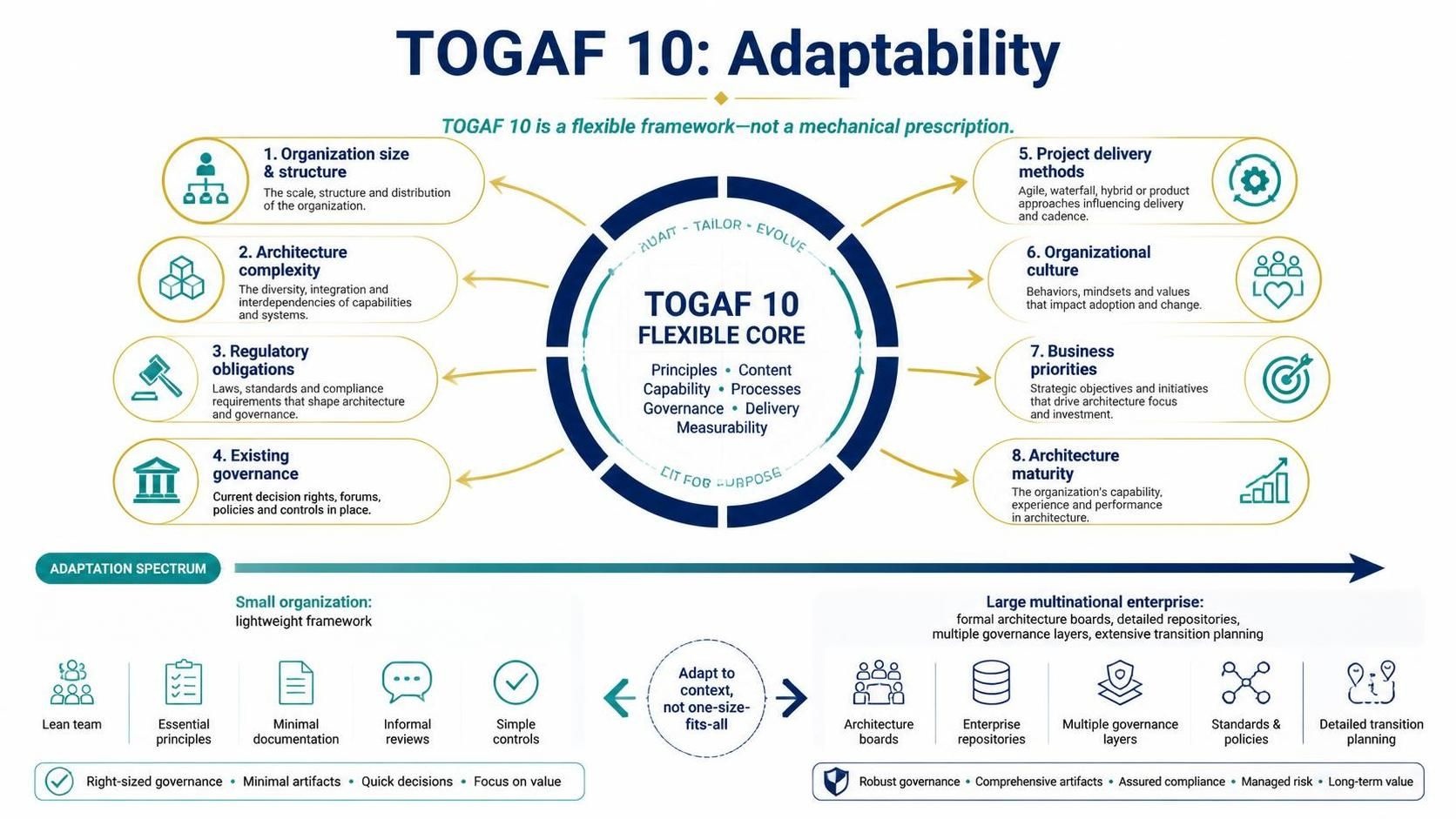 Mastering TOGAF 10 Adaptability: From Concept to Implementation
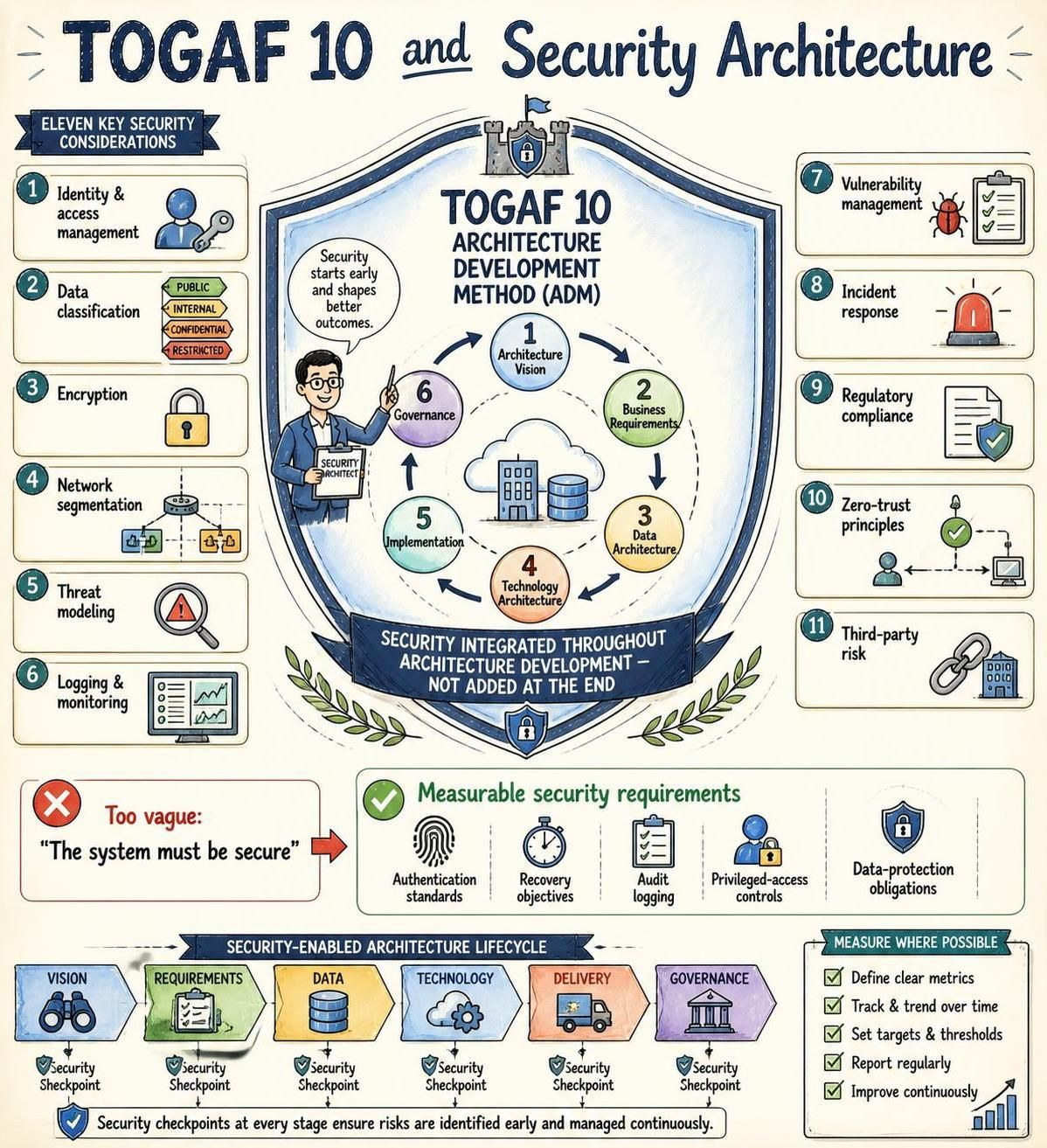 Mastering TOGAF 10 Security Architecture: From Principles to Implementation
 Mastering the Flexible Architecture Development Method (ADM) in TOGAF 10