Bridging Theory and Technology
When we talk about designing complex software systems, few tools are as fundamental as the Data Flow Diagram (DFD). It is the blueprint that maps out how information moves through a system. However, the landscape of system design has shifted. We are no longer just drawing boxes on paper; we are leveraging intelligent automation to ensure accuracy and speed.
In this session, we will walk through the evolution from traditional manual modeling to a streamlined, AI-assisted approach using Visual Paradigm. We’ll explore how you can maintain the rigor of classic systems analysis while embracing the efficiency of modern tools.
The Foundation: Traditional DFD Principles
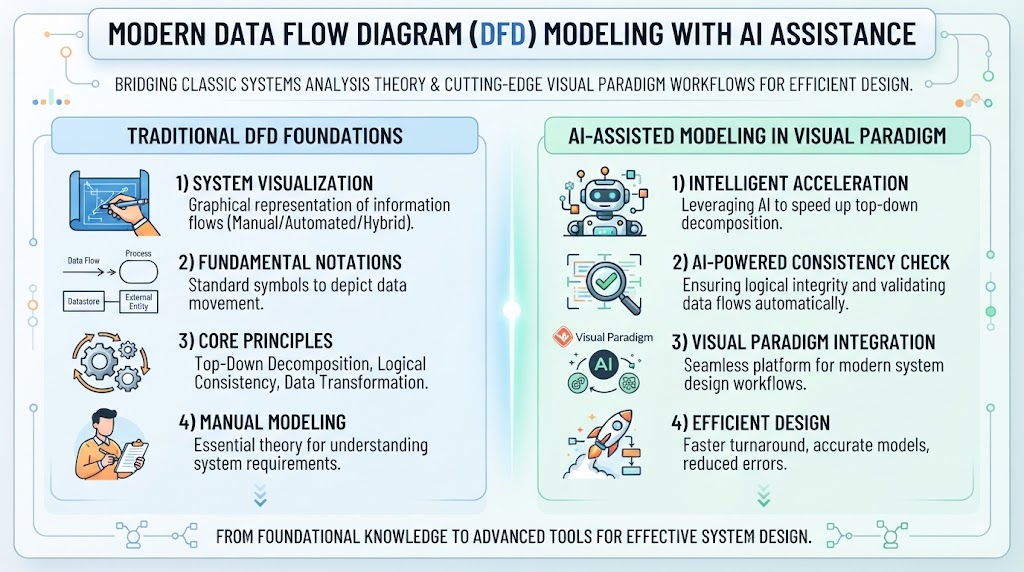
Before we jump into the “smart” features of modern software, it is crucial to understand what makes a DFD work. The core value lies in four pillars that have remained constant since the inception of structured analysis:
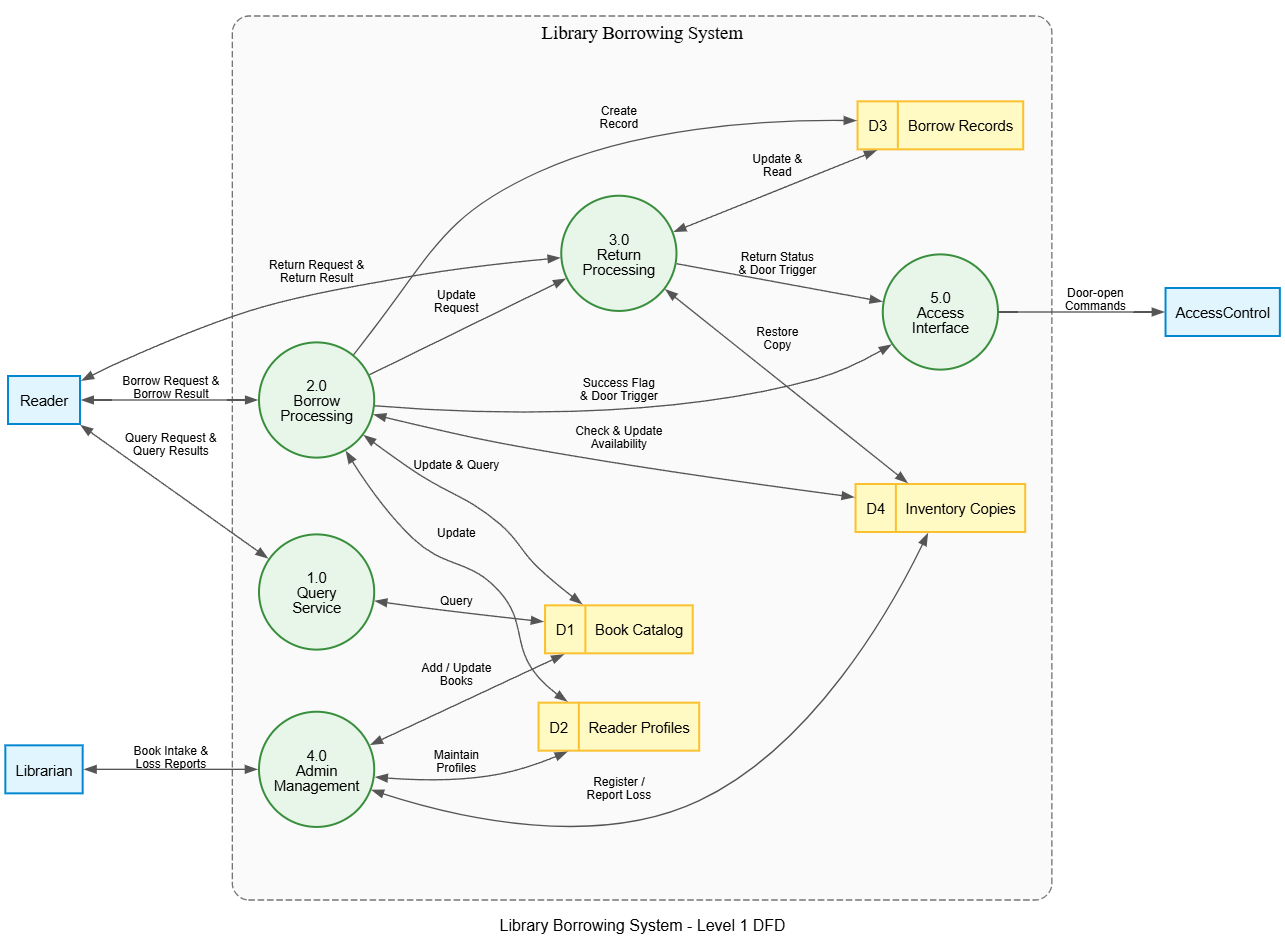
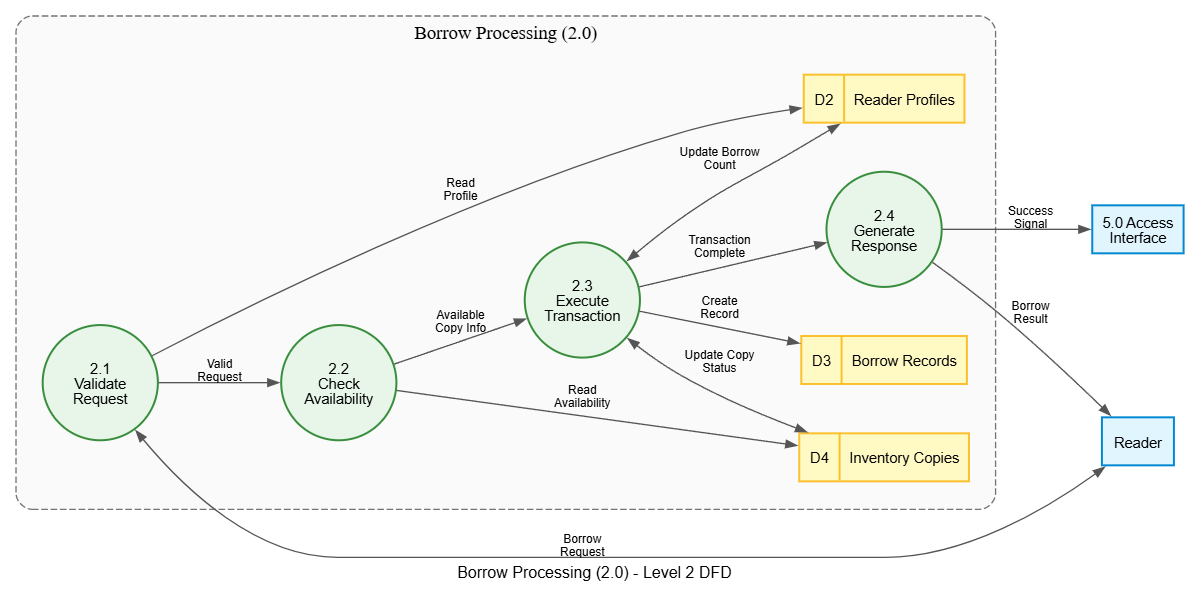
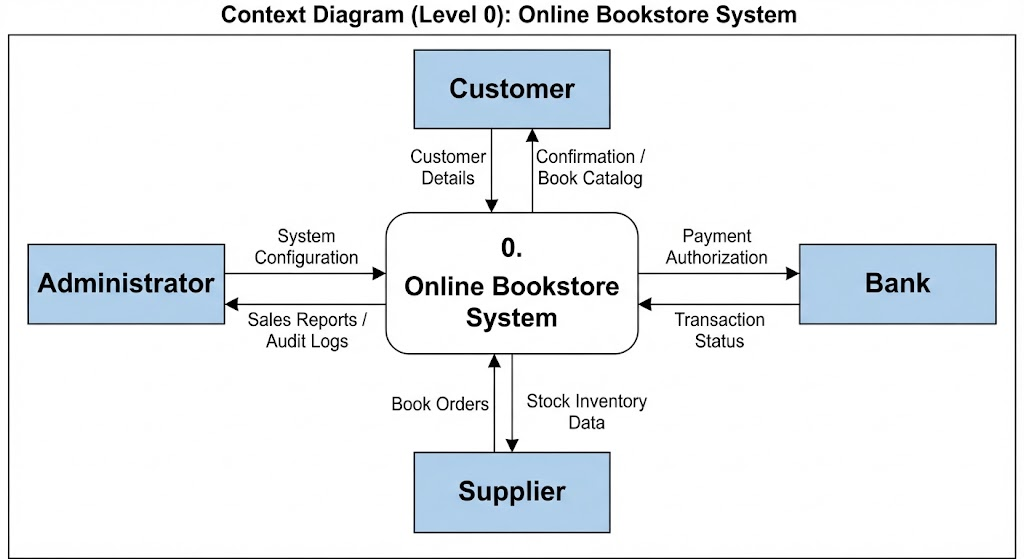
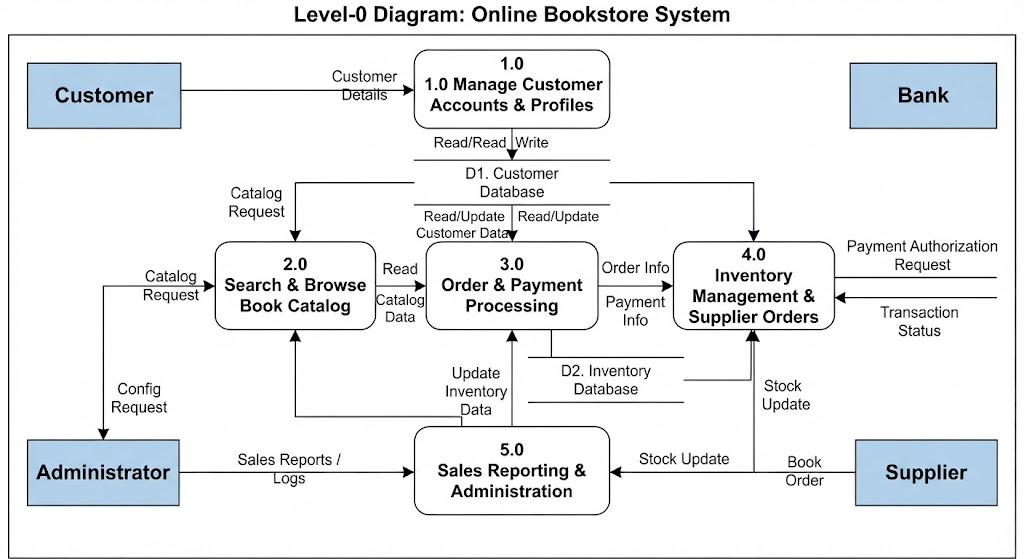
- System Visualization: At its heart, a DFD is a graphical representation of information flows. Whether you are working manually or digitally, your goal is to visualize the path data takes.
- Fundamental Notations: You need a standard language. This involves using specific symbols—like processes, data stores, and external entities—to depict exactly where data is moving and being stored.
- Core Principles: A good diagram isn’t just a picture; it follows logic. We rely on top-down decomposition (breaking big problems into smaller ones), logical consistency, and understanding how data transforms as it passes through the system.
- Manual Modeling: Even in the age of AI, the theoretical knowledge remains essential. Understanding these requirements allows you to validate the output of any tool you use.
The Evolution: AI-Assisted Modeling
Once you have mastered the basics, the next step is to optimize your workflow. This is where the integration of Artificial Intelligence into platforms like Visual Paradigm changes the game. Instead of spending hours drawing arrows and checking syntax, the focus shifts to high-level design.
Here is how AI assistance transforms the process:
- Intelligent Acceleration: Imagine having a co-pilot that helps you break down complex systems. AI leverages top-down decomposition to speed up the creation of diagrams, allowing you to go from concept to structure much faster than manual methods.
- AI-Powered Consistency Checks: One of the most tedious parts of DFD balancing is ensuring every input has a corresponding output. AI tools automatically validate data flows and check for logical integrity, catching errors before they become problems.
- Seamless Integration: Visual Paradigm provides a unified platform for this modern workflow. It bridges the gap between foundational theory and advanced execution, offering a seamless environment for system design.
- Efficient Design: The result of this synergy is clear: faster turnaround times, accurate models, and significantly reduced human error.
Summary of Key Learnings
To wrap up our tutorial, remember that the goal of system design is to move from foundational knowledge to effective execution. By combining the rigorous principles of traditional DFD modeling—such as top-down decomposition and standard notation—with the power of AI-driven acceleration in Visual Paradigm, you create a robust framework for development. This hybrid approach ensures your designs are not only theoretically sound but also practically efficient.