


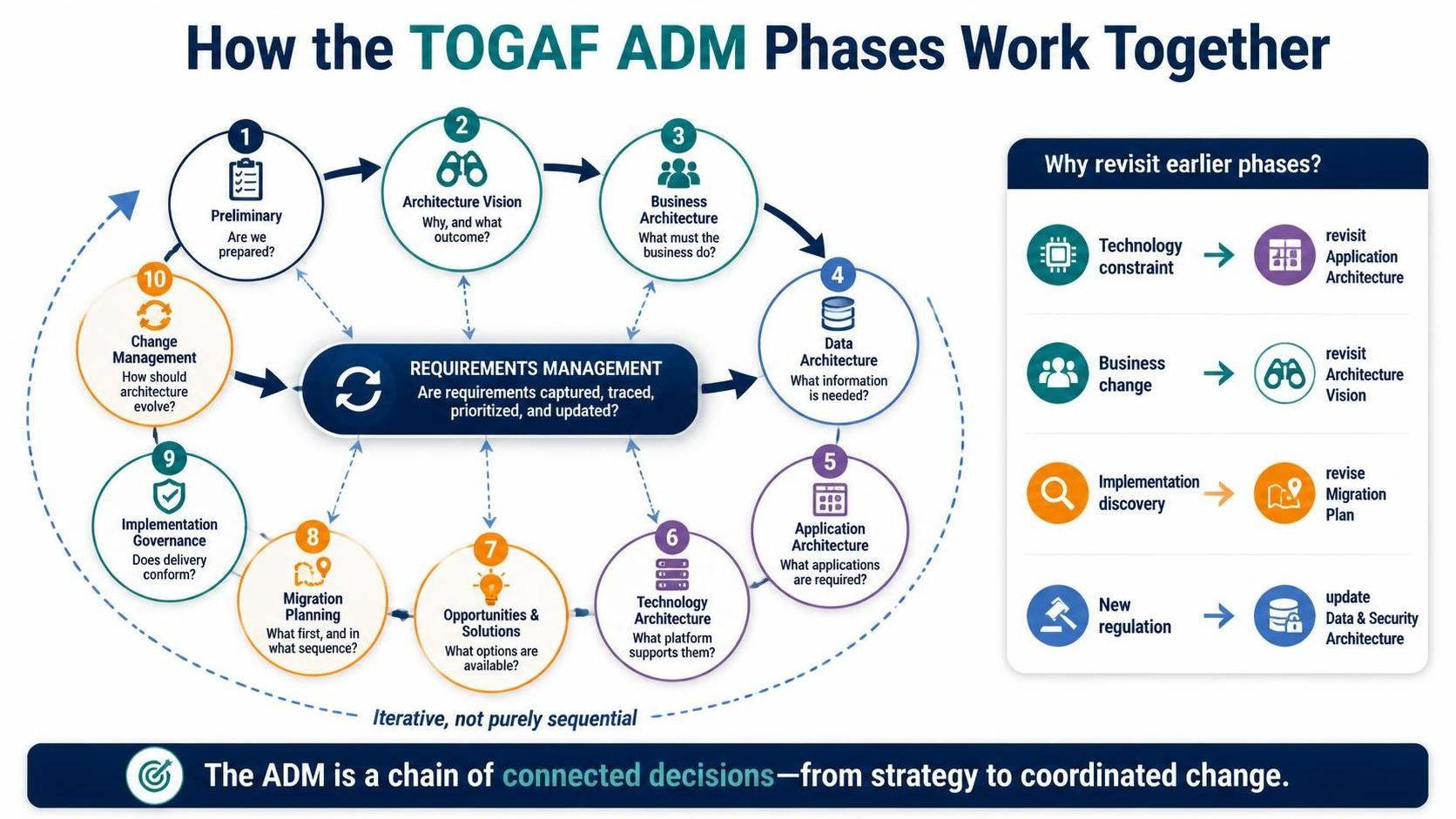
System architecture is rarely a straight line from start to finish. It is a complex web of interconnected decisions, constraints, and evolving business needs. The TOGAF Architecture Development Method (ADM) serves as a robust framework for managing this complexity, visualized effectively in diagrams that show the “chain of connected decisions.”
This tutorial breaks down the mechanics of the ADM cycle, explaining how each phase contributes to a cohesive strategy, how the process handles feedback loops, and how these concepts are applied in real-world scenarios like digital transformation.
The Core Philosophy: A Chain of Decisions
At the heart of the TOGAF ADM is the concept that architecture is a series of decisions. Each phase in the cycle addresses a specific, fundamental question. When executed correctly, these phases create a logical progression from strategic intent to technical implementation.
- Are we prepared? (Preliminary Phase)
- Why are we doing this? (Architecture Vision)
- What must the business do? (Business Architecture)
- What information is needed? (Data Architecture)
- What applications are required? (Application Architecture)
- What platform supports them? (Technology Architecture)
Understanding these distinct questions is the first step toward mastering the ADM. The framework ensures that before you design a database (Data Architecture), you understand the business process (Business Architecture) and the technology that will host it (Technology Architecture).
The Engine of the Cycle: Requirements Management
If the ADM is the cycle, the central hub that powers it is Requirements Management. In the diagram, this is often depicted as the center of the circle. It is not just a phase you visit once; it is a continuous process.
Requirements management involves capturing, tracing, prioritizing, and updating the needs of the organization throughout the entire lifecycle. It ensures that:
- Stakeholder needs are clearly defined at the start.
- Those needs are traced through every subsequent phase.
- Any changes in requirements are fed back into the cycle to update the architecture.
Why Revisit Earlier Phases? The Iterative Nature
A common misconception about the ADM is that it is a linear “waterfall” process where you finish one phase and move to the next forever. The diagram explicitly corrects this by stating the process is “Iterative, not purely sequential.”
Real-world constraints and discoveries often force architects to circle back. The diagram highlights four critical reasons to revisit earlier phases:
- Technology Constraints: If the chosen technology cannot support the application, you must revisit the Application or Technology Architecture.
- Business Changes: If the business strategy shifts, the Architecture Vision must be updated.
- Implementation Discoveries: During actual coding or deployment, you might find that the migration plan is no longer feasible, requiring a revision of the plan.
- New Regulations: New compliance laws may force an immediate update to Data and Security Architectures.
Case Study: Modernizing Customer Onboarding
To visualize how these abstract phases work in practice, consider a financial services company struggling with slow, manual customer onboarding. Here is how the ADM phases tackle this problem:
Phase A: Architecture Vision
The organization defines the “Why.” The goal is to reduce onboarding time and improve the customer experience through automation. The vision is set: a unified customer experience with real-time risk assessment.
Phase B: Business Architecture
Here, we define the “What.” The target business architecture introduces standardized processes, clear ownership of verification, and new performance measures. This shifts the focus from manual handling to automated decision points.
Phase C: Data & Application Architecture
Now we look at the information and software. The solution includes a trusted customer information service, shared identity data, and APIs to connect legacy systems. This phase bridges the gap between business goals and technical tools.
Phase D: Technology Architecture
This defines the infrastructure. The target includes secure cloud hosting, API management, and centralized identity management. This ensures the applications built in Phase C have a robust platform to run on.
Phase E: Opportunities & Solutions
Before building, we identify work packages. This includes establishing data governance, implementing the API management layer, and retiring redundant legacy tools.
Phase F: Migration Planning
This is the roadmap. The strategy is staged: pilot with one product, expand to others, and finally decommission old tools. This minimizes risk by rolling out changes gradually.
Phase G: Implementation Governance
During construction, architects review API designs, security controls, and compliance evidence to ensure the delivery conforms to the architecture.
Phase H: Change Management
Finally, the cycle loops back. The organization assesses if new regulatory requirements can be handled as a minor change or if they require starting a new ADM cycle.
Conclusion: Putting Theory into Practice
The TOGAF ADM is more than just a set of phases; it is a disciplined approach to solving complex business problems through technology. By understanding the iterative nature of the cycle and the critical role of requirements management, architects can ensure their designs remain relevant and effective.
To successfully implement these concepts, you need the right tools. Visual Paradigm TOGAF ADM Tool is the recommended software for this process. It provides the necessary modeling capabilities to map these phases, visualize the dependencies, and manage the iterative feedback loops described above, ensuring your architecture is robust from strategy to execution.
Related posts:
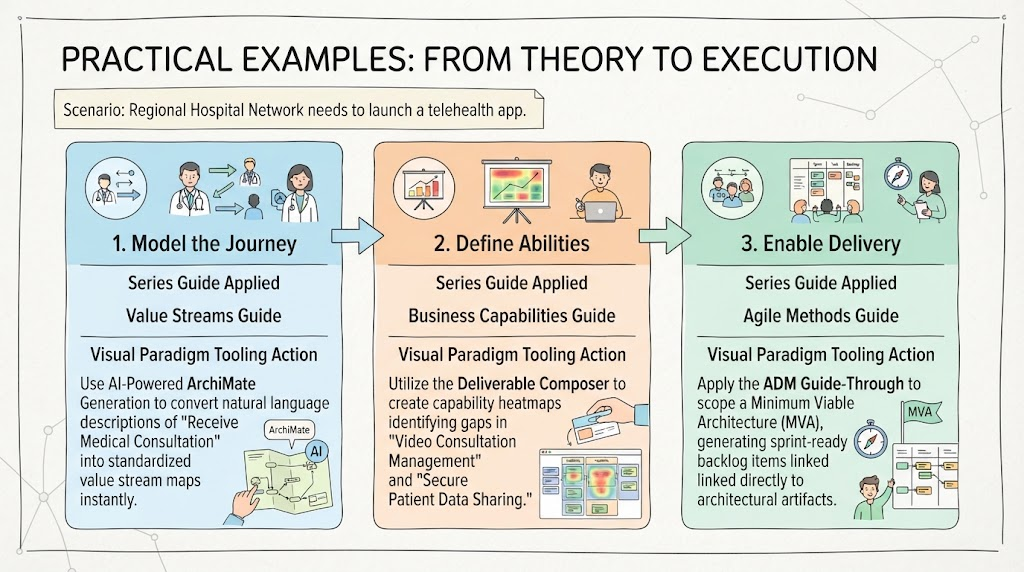 From Theory to Execution: A Practical Guide to Enterprise Architecture with Visual Paradigm
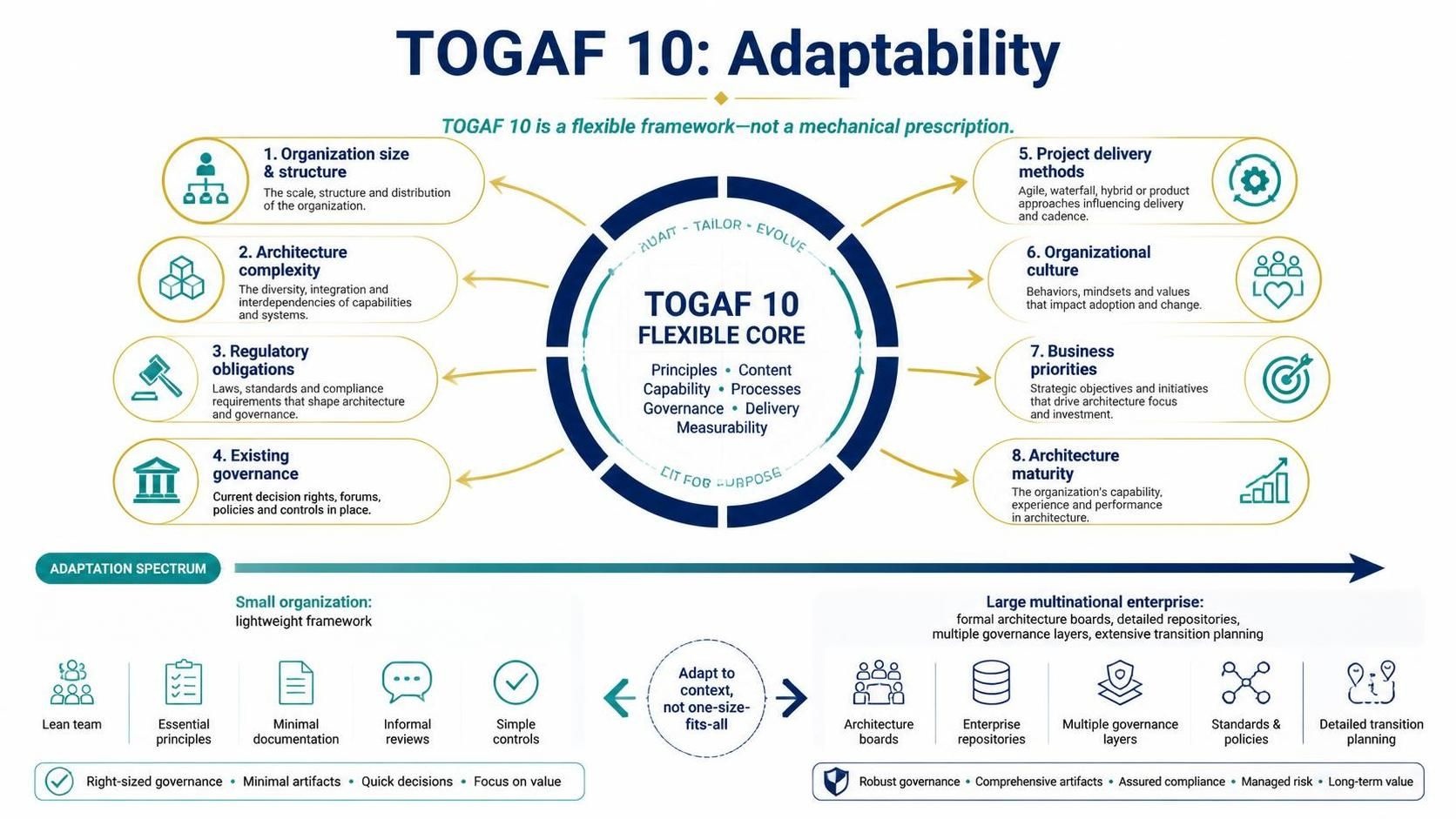 Mastering TOGAF 10 Adaptability: From Concept to Implementation
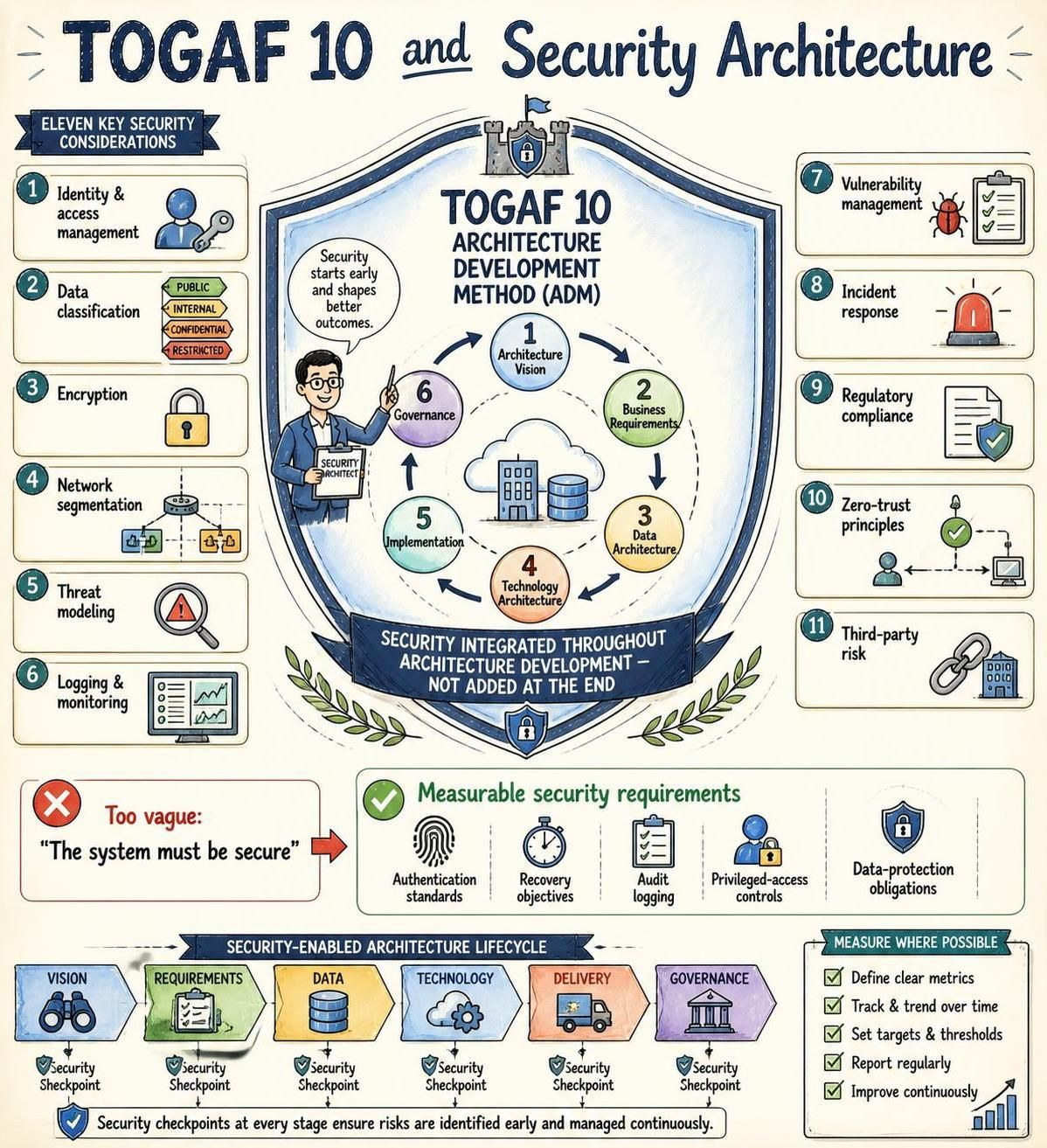 Mastering TOGAF 10 Security Architecture: From Principles to Implementation
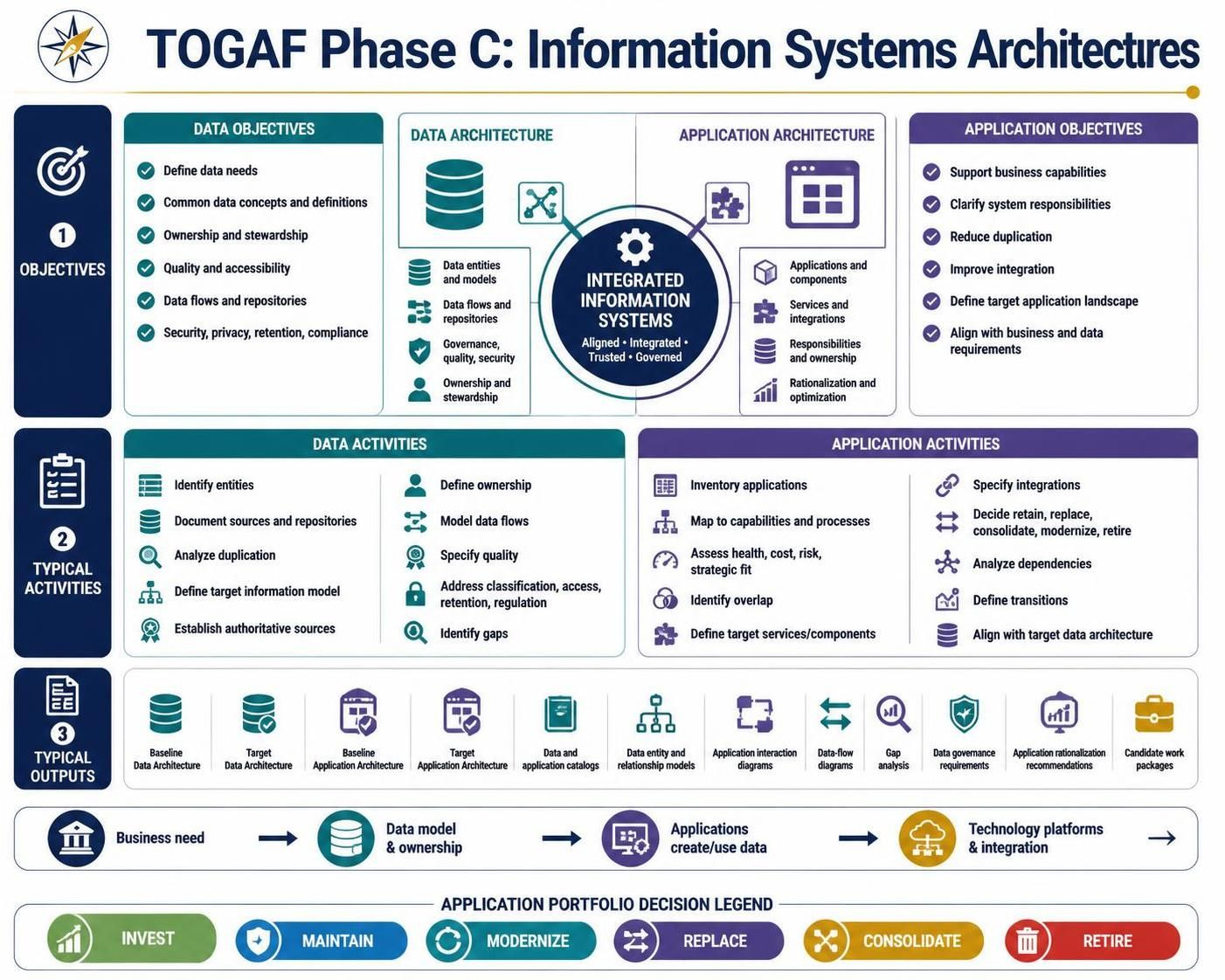 Mastering TOGAF Phase C: A Comprehensive Guide to Information Systems Architecture