


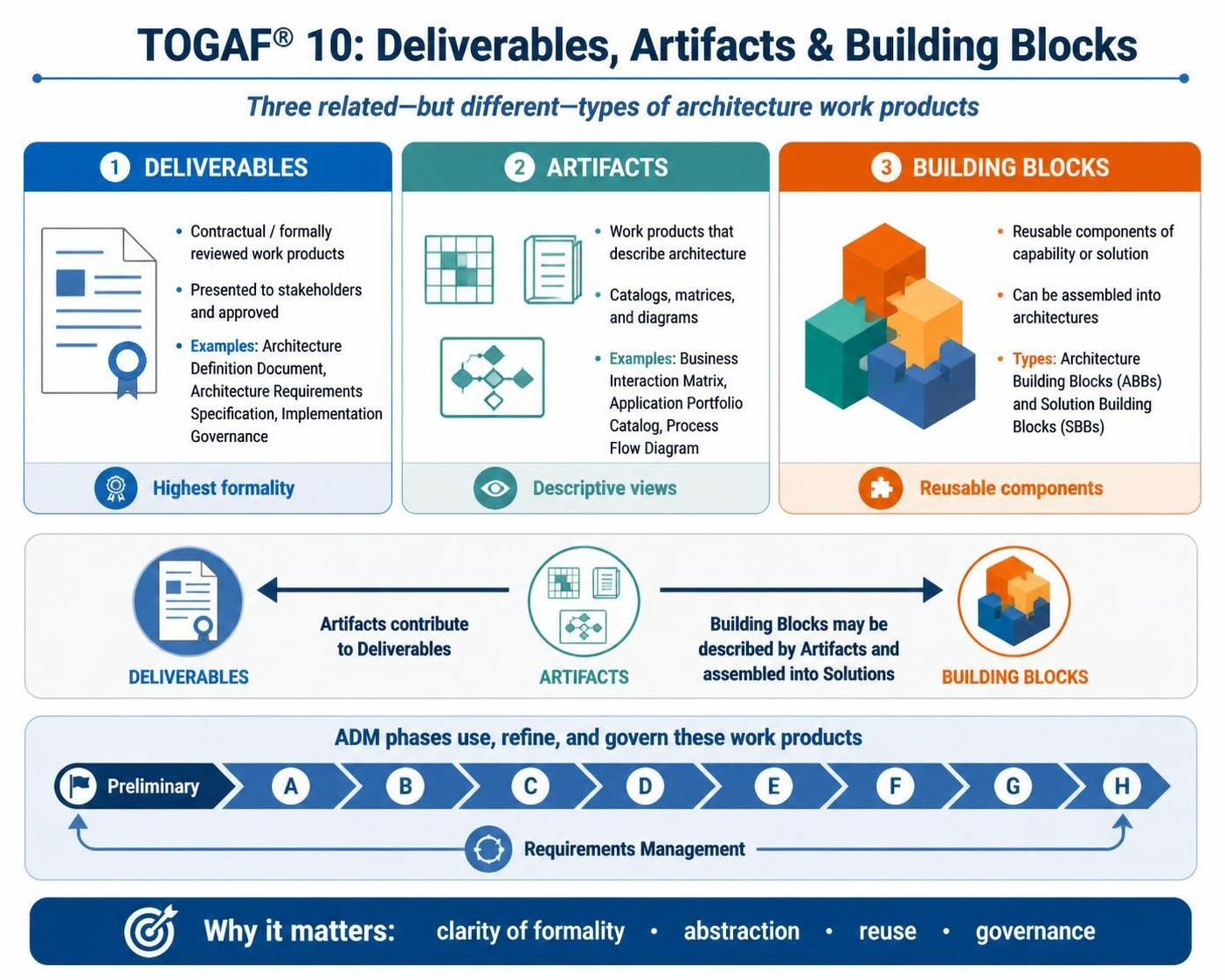
In the complex world of Enterprise Architecture, precision in terminology is not just a matter of semantics—it is a requirement for success. The TOGAF® 10 standard distinguishes among three critical types of architecture work products: Deliverables, Artifacts, and Building Blocks. While often used interchangeably in casual conversation, confusing these terms can lead to poorly controlled architecture documentation, duplicated work, unclear approvals, and difficulty communicating with stakeholders.
This tutorial provides a comprehensive breakdown of these concepts, explaining their distinct roles, how they interact within the Architecture Development Method (ADM), and how modern tools can help you manage them effectively.
1. Deliverables: The Formalized Output
Deliverables represent the highest level of formality in architecture work. They are the contractual or formally reviewed work products that are presented to stakeholders and require official approval.
- Key Characteristic: Highest Formality.
- Purpose: To serve as the official record of an architectural decision or phase completion. They are the “what” that gets signed off.
- Examples: Architecture Definition Document, Architecture Requirements Specification, Implementation Governance Plan.
Think of a Deliverable as the final report card for a specific phase of your architecture project. It aggregates various pieces of information into a cohesive, approved package.
2. Artifacts: The Descriptive Views
Artifacts are the work products that describe the architecture in detail. They are the raw materials—the “descriptive views”—that architects use to communicate complex ideas.
- Key Characteristic: Descriptive Views (Catalogs, Matrices, Diagrams).
- Purpose: To provide specific views of the architecture that support different stakeholder needs.
- Examples: Business Interaction Matrix, Application Portfolio Catalog, Process Flow Diagrams.
Artifacts are often the building blocks of the Deliverables. A single Deliverable (like the Architecture Definition Document) might reference multiple Artifacts (like a specific Process Flow Diagram or a Catalog of Applications) to prove its conclusions.
3. Building Blocks: The Reusable Components
Building Blocks are the reusable components of capability or solution. They are the functional units that can be assembled into architectures to solve business problems.
- Key Characteristic: Reusable Components.
- Purpose: To provide standardized, reusable capabilities that reduce redundancy.
- Types: Architecture Building Blocks (ABBs) and Solution Building Blocks (SBBs).
While Artifacts describe the architecture, Building Blocks are the actual things being architected. A Building Block is defined by its description (often an Artifact) and its capabilities.
The Interplay: How They Work Together
Understanding the relationship between these three concepts is vital for a smooth workflow. The diagram below illustrates the flow of information:
- Artifacts contribute to Deliverables: You gather data, create matrices, and draw diagrams (Artifacts). You then bundle these into a formal document for approval (Deliverable).
- Building Blocks are described by Artifacts: You define a Building Block (e.g., a specific server cluster or a business process) using descriptive artifacts.
- Building Blocks are assembled into Solutions: These reusable blocks are then combined to build the final enterprise solution.
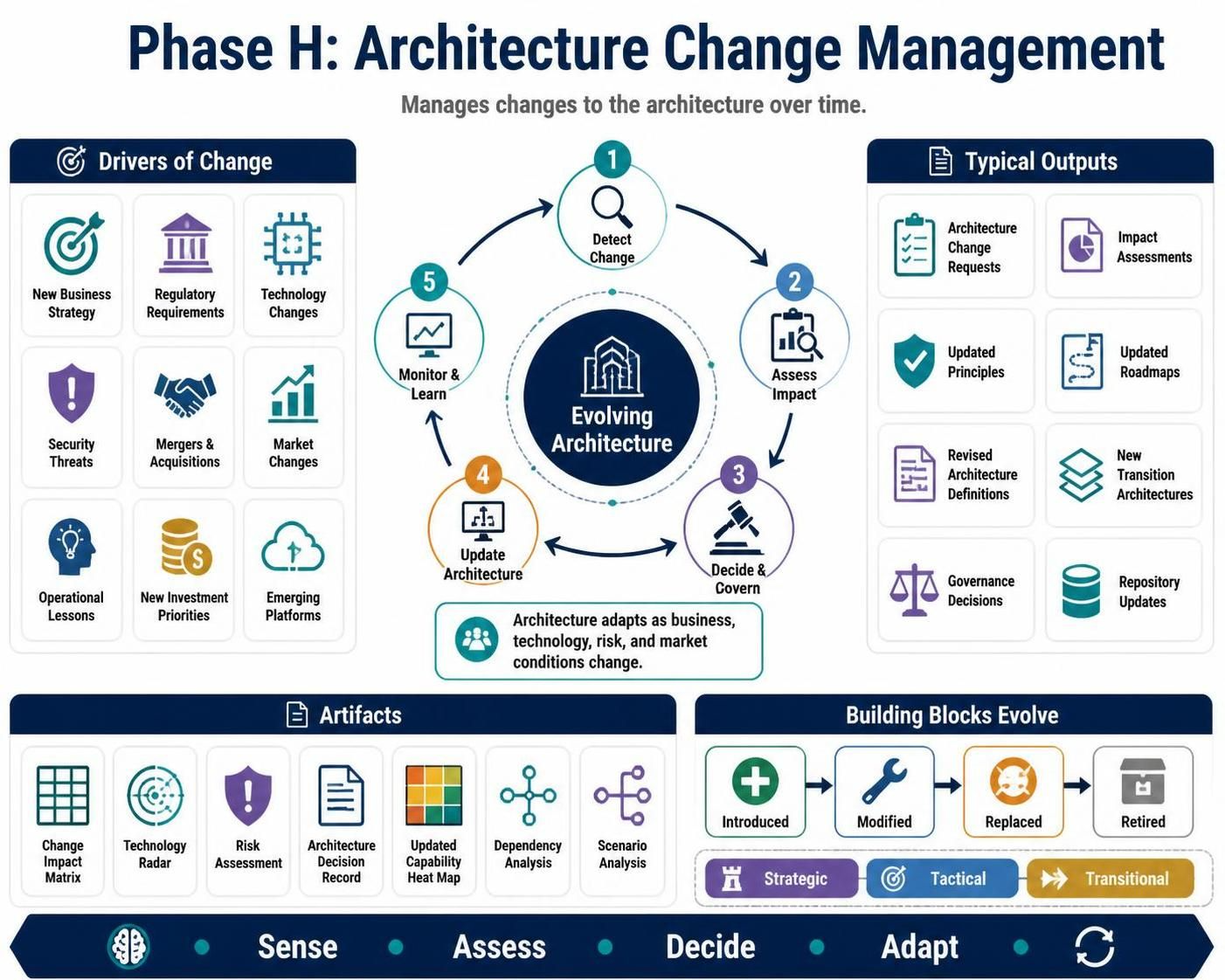
This cycle happens throughout the ADM phases (Preliminary through H), where requirements management acts as a continuous feedback loop ensuring all work products align with business goals.
Why Clarity Matters
Why do we need to distinguish between a “document” (Deliverable) and a “diagram” (Artifact)? The answer lies in governance.
- Formality: Not every diagram needs to be a formal Deliverable. Some are internal working drafts.
- Abstraction: Deliverables are often high-level summaries, while Artifacts provide the granular detail.
- Reuse: Building Blocks allow you to reuse components across different projects, whereas Deliverables are often project-specific.
By clearly defining which work product is which, architects can ensure that the right level of governance is applied to the right content.
Conclusion
Mastering the distinction between Deliverables, Artifacts, and Building Blocks is the first step toward professional Enterprise Architecture. It transforms architecture from a collection of random drawings into a structured, governed discipline.
To manage these complex relationships effectively, it is highly recommended to utilize specialized tooling. The Visual Paradigm TOGAF ADM Tool is an industry-standard solution that helps architects model these concepts, track their relationships, and ensure that every artifact contributes to a formal deliverable and every building block is properly governed.
Related posts:
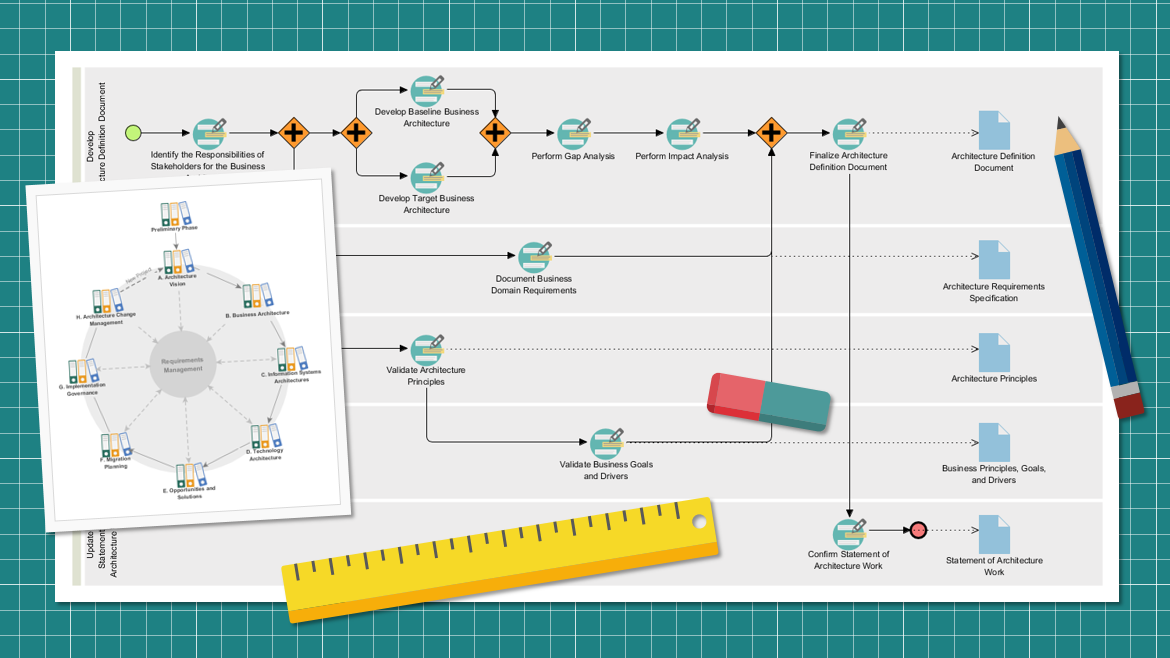 Mastering the TOGAF ADM Cycle: A Visual Guide to Enterprise Architecture Modeling
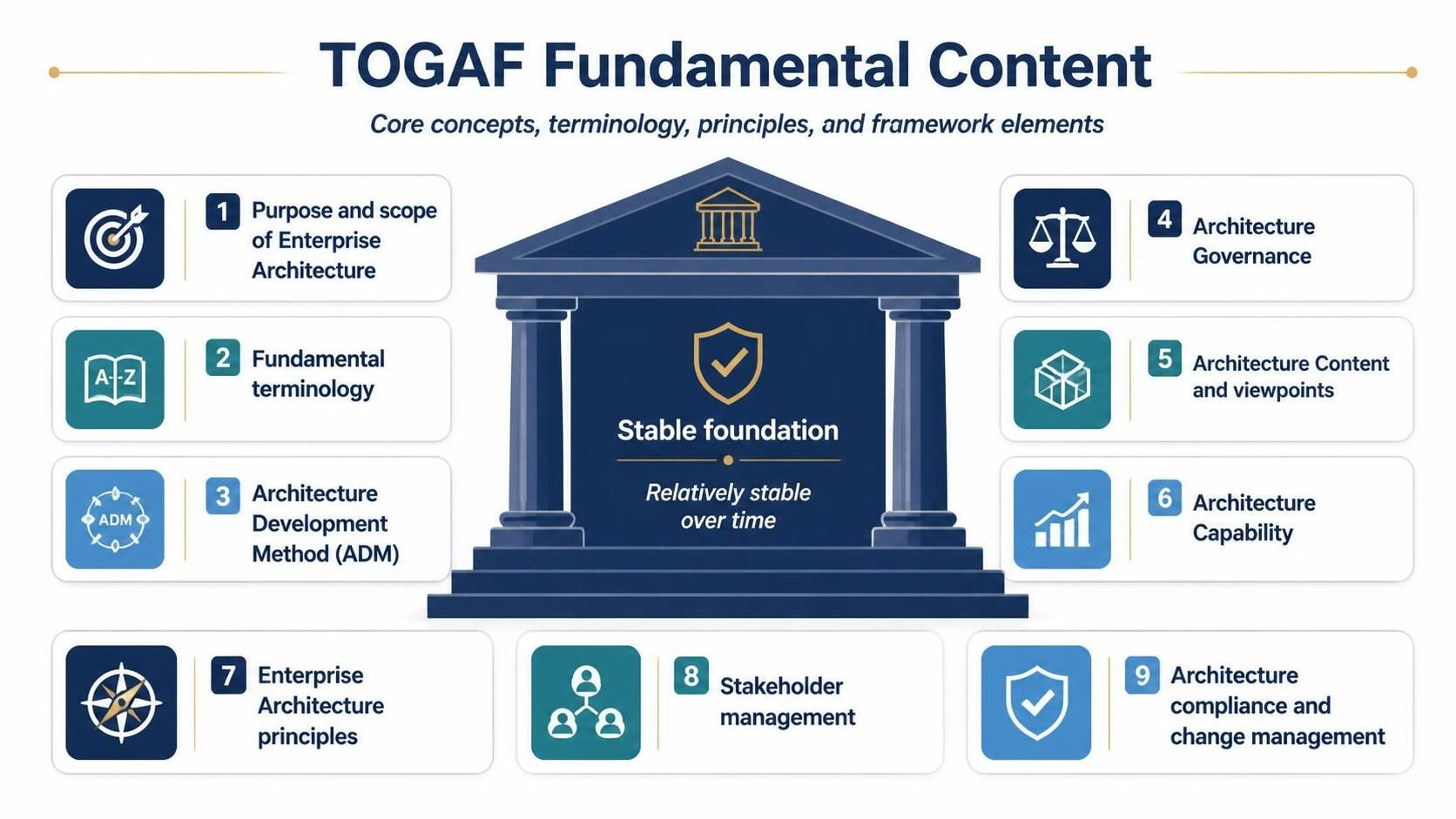 Demystifying the TOGAF Foundation: A Comprehensive Guide to Fundamental Content
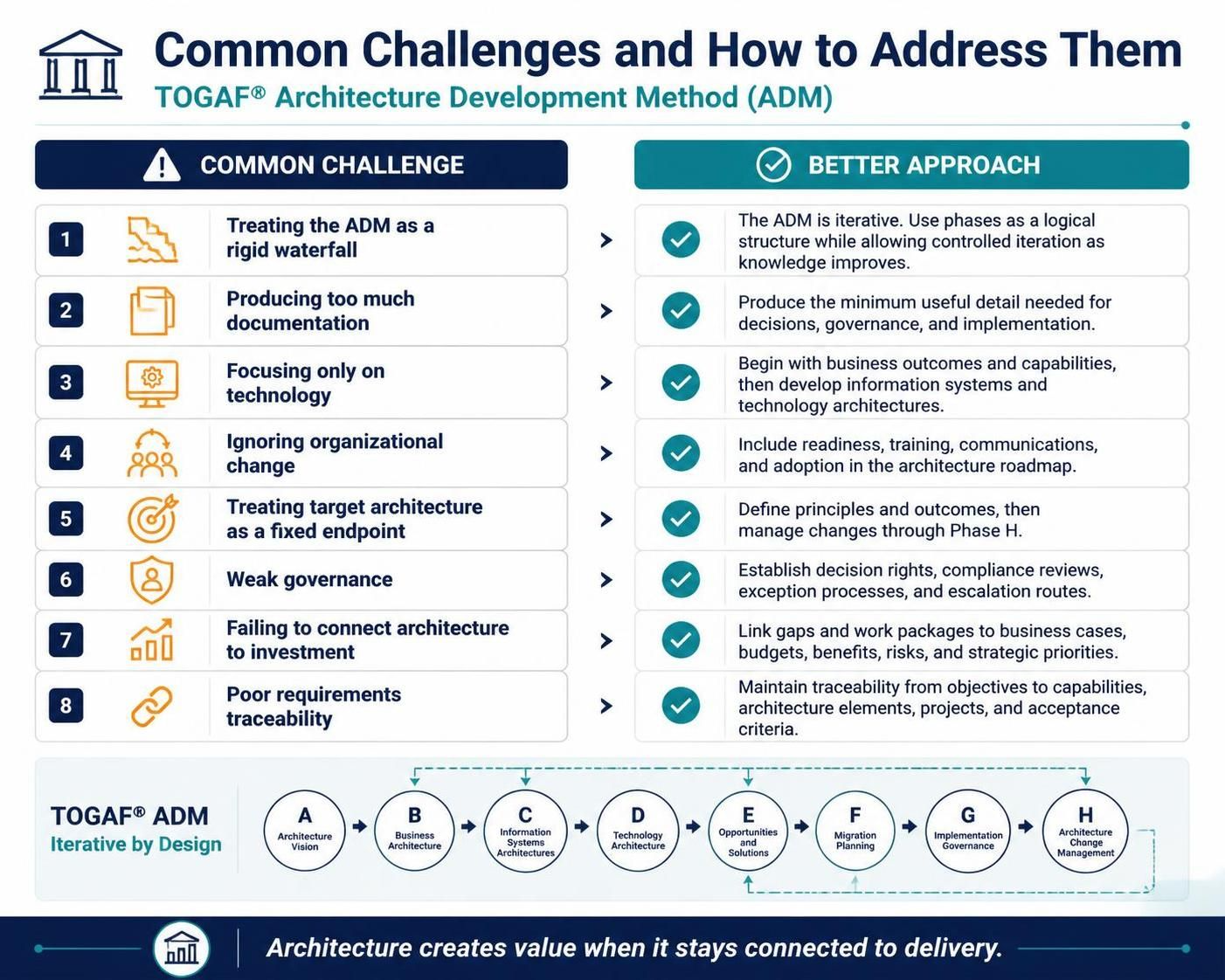 Mastering the TOGAF ADM: Overcoming 8 Common Implementation Challenges
 Mastering Phase H: A Comprehensive Guide to Architecture Change Management