


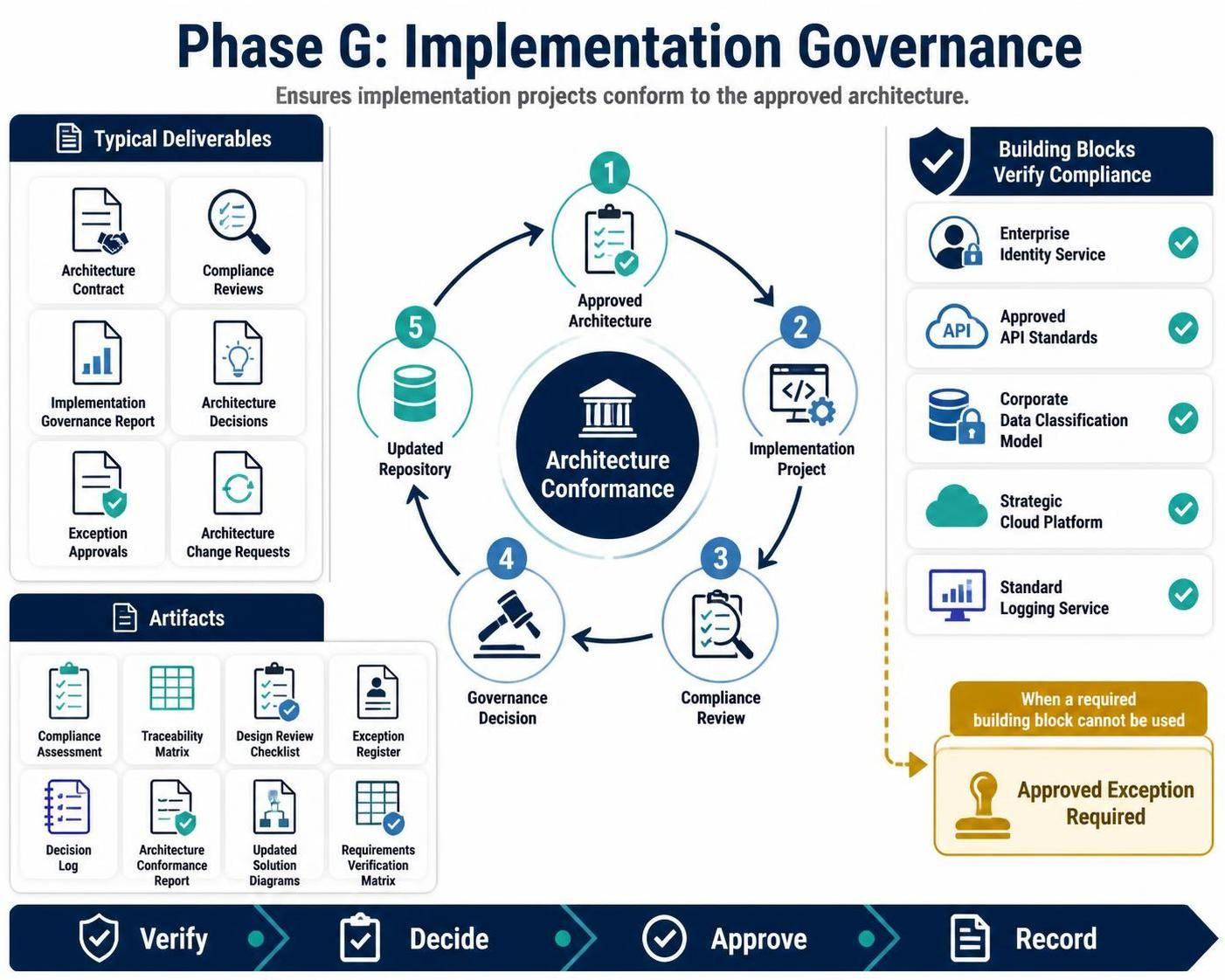
In the realm of Enterprise Architecture, particularly within the TOGAF framework, the transition from planning to execution is often the most critical and risky phase. This is where Phase G: Implementation Governance comes into play. Often referred to as the “Governance Phase,” its primary objective is to ensure that the actual implementation projects conform to the approved architecture.
This tutorial provides a comprehensive walkthrough of the system architecture of Phase G, explaining the workflow, the essential deliverables, the building blocks required for compliance, and the tools used to manage this complex process.
The Core Objective: Architecture Conformance
At the heart of Phase G is the concept of Architecture Conformance. Unlike previous phases where you design the future state, Phase G is about checking the reality against the blueprint. It acts as a quality control mechanism to prevent “architecture drift,” ensuring that the final solution matches the strategic vision defined in earlier phases.
The Governance Workflow: A Step-by-Step Guide
The governance process is not a linear checklist but a continuous cycle. Based on the architectural model, we can break down the workflow into five distinct steps:
1. Starting Point: The Approved Architecture
The cycle begins with the Approved Architecture. This serves as the baseline. It includes the architecture definition document, the standards, and the constraints that were agreed upon during the planning phases (such as Phase E and Phase F). Without this baseline, there is no standard to measure compliance against.
2. The Implementation Project
Once the architecture is approved, development teams begin the Implementation Project. This is where the actual coding, hardware procurement, or service configuration happens. During this phase, the project team must adhere to the technical standards and building blocks established in step 1.
3. Compliance Review
As the project progresses, it undergoes a Compliance Review. This is the active phase of governance. Architects review the work done to see if it aligns with the architecture. If the implementation deviates from the plan, it is flagged for review. This step generates critical data regarding the project’s adherence to the standards.
4. Governance Decision
Following the review, a Governance Decision is made. This is a critical juncture where stakeholders decide the fate of the implementation. The decision can be:
- Approve: The project is compliant and can proceed.
- Reject: The project is non-compliant and must be fixed.
- Grant Exception: If the project cannot use a required component, an exception may be approved to deviate from the standard, usually with specific conditions.
5. Updated Repository
The cycle concludes by updating the Architecture Repository. This ensures that the “source of truth” for the enterprise architecture is always current. If a decision was made to change a standard or if an exception was granted, these records are stored here for future reference and analysis.
Understanding Building Blocks and Compliance
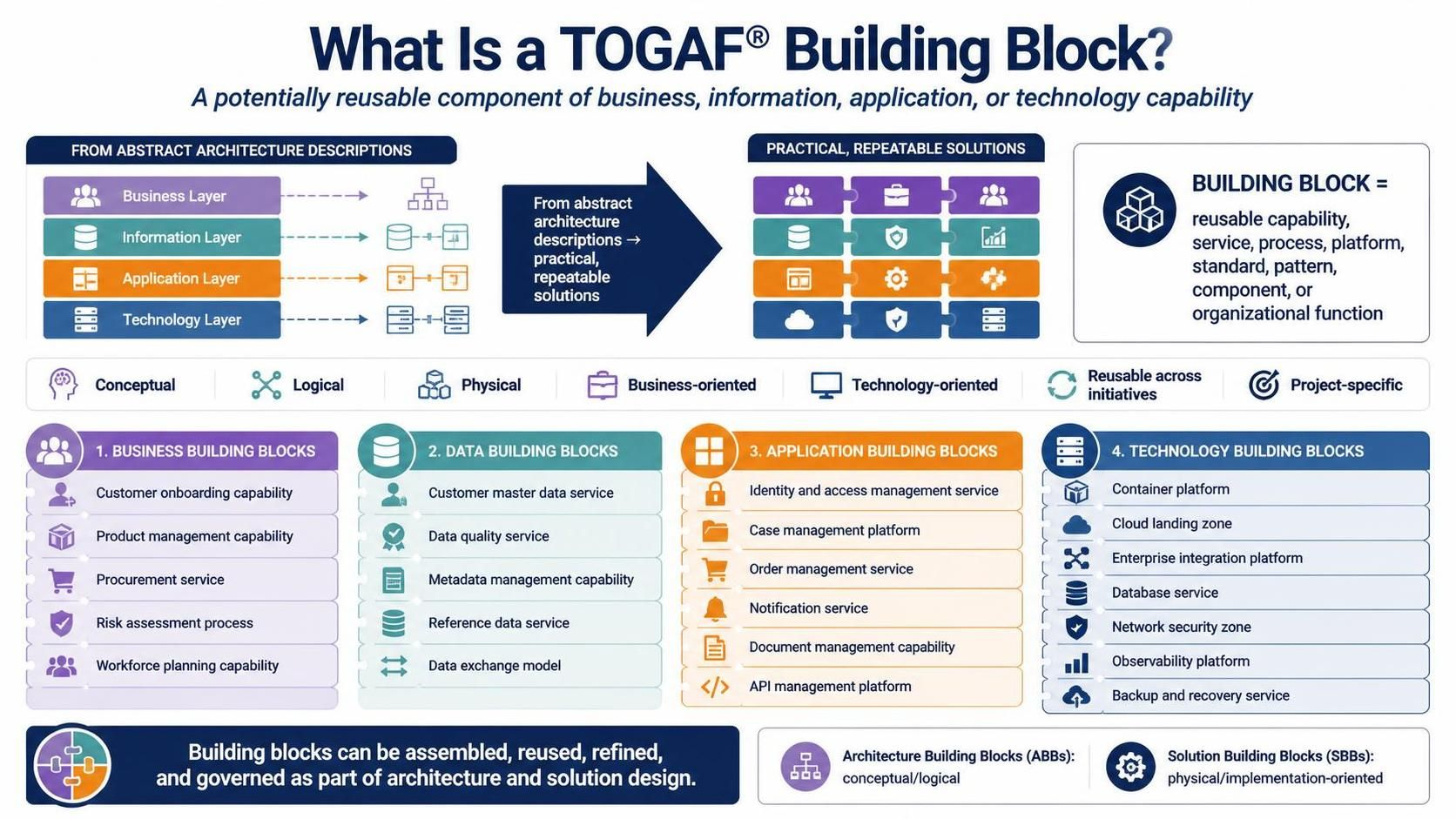
A key mechanism in Phase G is the use of Building Blocks. These are pre-defined, approved components that projects are required to use. They ensure consistency across the enterprise.
For example, a project may be required to use specific building blocks such as:
- The Enterprise Identity Service: Ensuring all applications use a centralized login system.
- Approved API Standards: Mandating specific protocols for data exchange.
- The Corporate Data Classification Model: Ensuring data is labeled and secured according to sensitivity levels.
- The Strategic Cloud Platform: Ensuring infrastructure is deployed on the company’s chosen cloud provider.
- The Standard Logging Service: Ensuring consistent monitoring and auditing.
The Exception Process: What happens if a project cannot use a required building block? The system allows for an Approved Exception. This is not a free pass; it requires formal approval to deviate from the standard, often necessitating a specific workaround or a temporary derogation from the architecture standards.
Key Deliverables and Artifacts
To successfully navigate Phase G, architects must manage a specific set of documentation known as deliverables and artifacts.
Typical Deliverables
These are the high-level outputs of the phase:
- Architecture Contract: An agreement between the architecture team and the implementation team regarding the scope and standards.
- Compliance Reviews: The reports detailing the findings of the audits.
- Implementation Governance Report: A summary of the phase’s activities and outcomes.
- Architecture Decisions: A log of major decisions made during the governance process.
- Exception Approvals: Documentation of any deviations from the standard.
Artifacts
These are the specific documents and tools used to support the deliverables:
- Compliance Assessment: A detailed check of the project against standards.
- Traceability Matrix: A tool to map requirements to the solution components.
- Design Review Checklist: A list of items to verify during design reviews.
- Exception Register: A log of all exceptions granted.
- Decision Log: A history of decisions made.
- Architecture Conformance Report: The final verdict on the project’s alignment.
- Updated Solution Diagrams: Visual representations of the current state of the solution.
- Requirements Verification Matrix: Ensures all requirements are met.
Recommended Tooling
Managing the complexity of Phase G requires robust software. To facilitate the creation of architecture diagrams, manage the repository, and track compliance effectively, the Recommended tooling is Visual Paradigm TOGAF ADM Tool.
This tool supports the entire Architecture Development Method (ADM) cycle, providing specific templates and workflows for Phase G. It allows architects to:
- Create and maintain the Architecture Repository.
- Generate Compliance Reports automatically.
- Manage Building Blocks and their usage.
- Track Exceptions and Decisions in a centralized log.
Conclusion
Phase G: Implementation Governance is the bridge between theoretical design and practical reality. By rigorously following the workflow of Verify, Decide, Approve, and Record, organizations can ensure their IT investments align with their strategic goals. Utilizing tools like Visual Paradigm TOGAF ADM Tool empowers teams to manage this governance process efficiently, ensuring that the final implemented solution is robust, compliant, and fit for purpose.
Related posts:
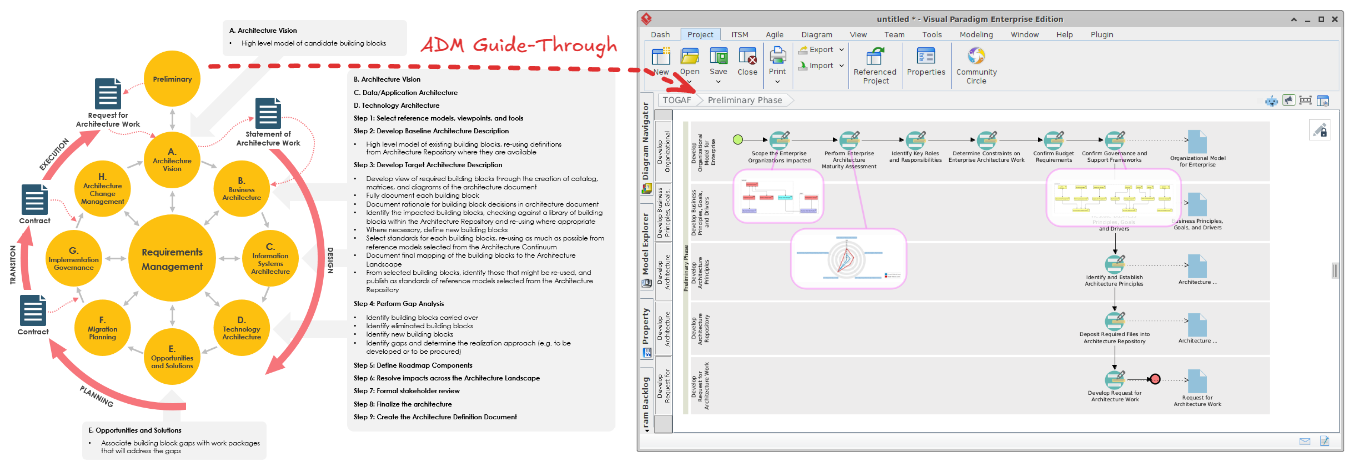 Mastering the TOGAF ADM: A Visual Paradigm Step-by-Step Guide
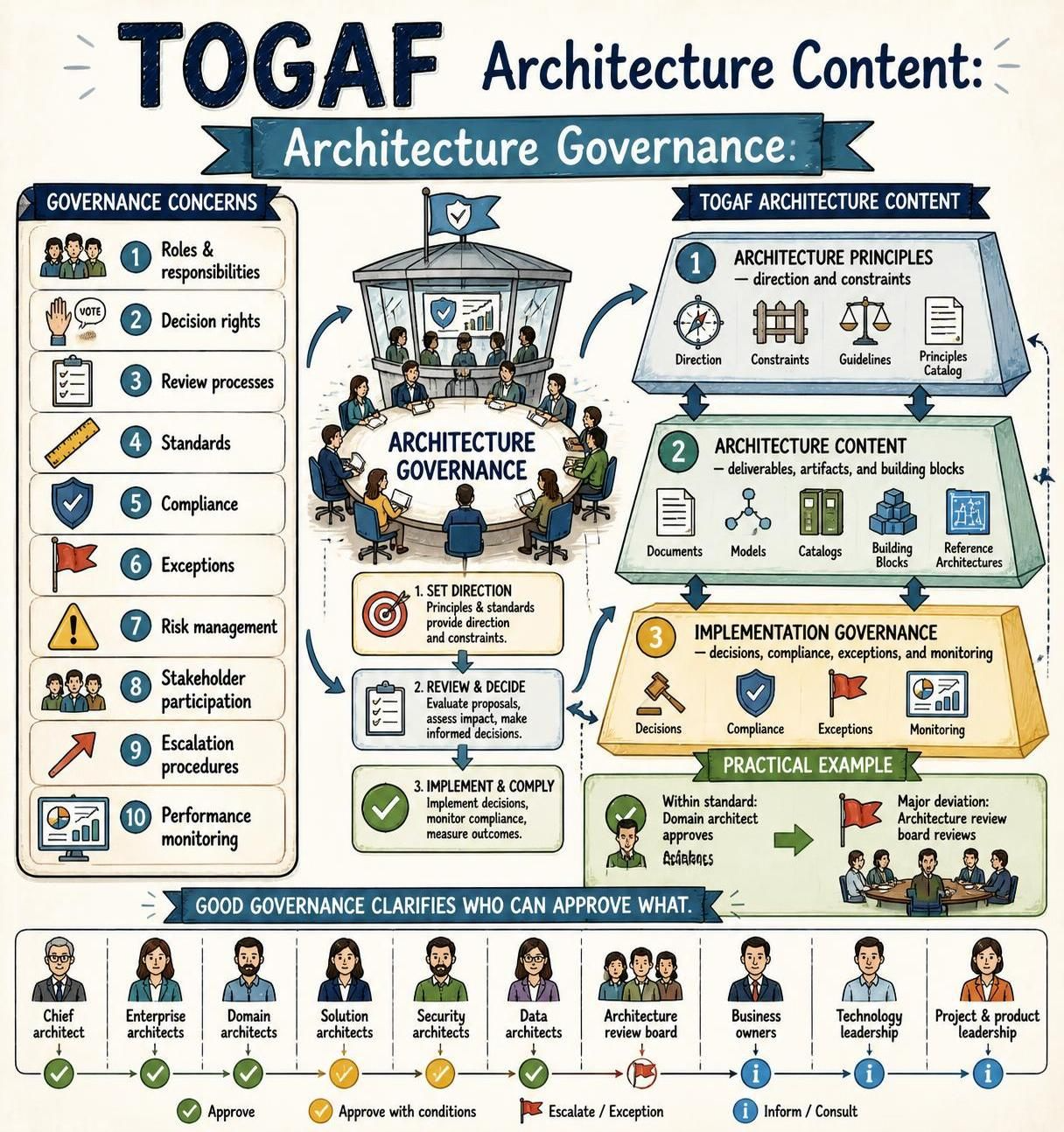 Mastering TOGAF Architecture Governance: A Comprehensive Guide to Roles, Principles, and Decision Rights
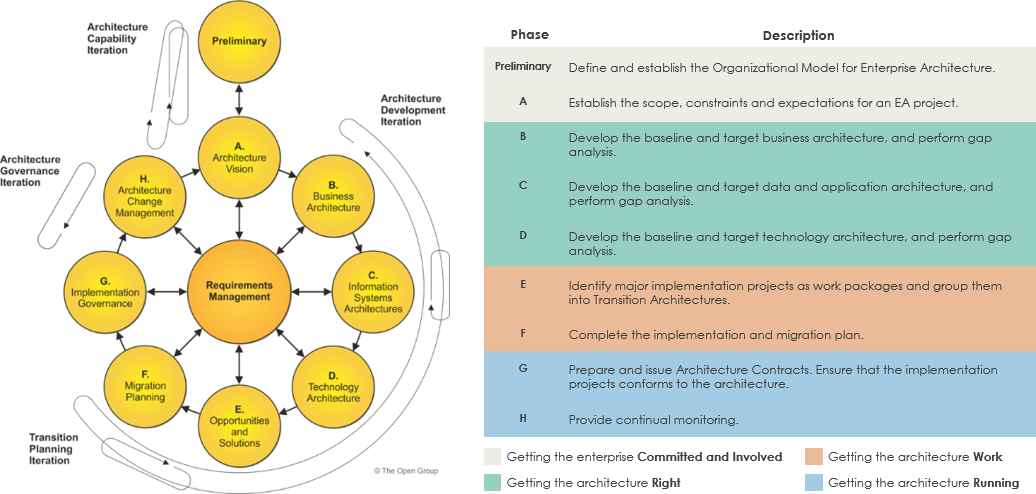 Mastering the TOGAF ADM: A Comprehensive Guide to Enterprise Architecture Development
 Mastering TOGAF Building Blocks: From Abstract Architecture to Practical Implementation