


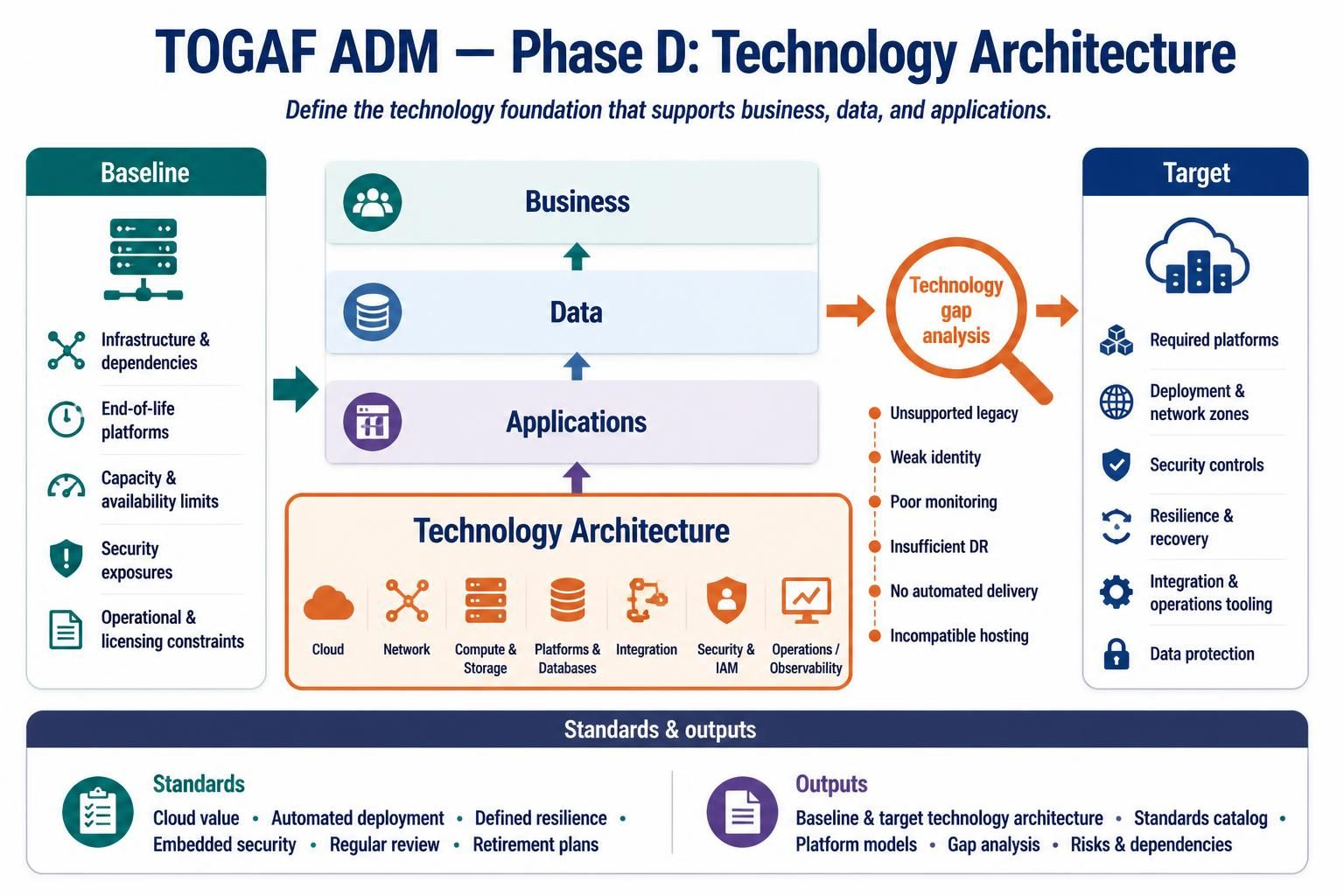
Understanding the digital backbone of an enterprise requires a systematic approach. In the realm of enterprise architecture, TOGAF (The Open Group Architecture Framework) provides a robust methodology. This tutorial focuses specifically on Phase D: Technology Architecture. This phase is critical because it defines the hardware, software, and network infrastructure needed to support the broader business, data, and application strategies.
What is Phase D: Technology Architecture?
Think of the Architecture Development Method (ADM) as a journey from a business vision to a technical reality. Phase D sits at the bottom of the architectural stack, serving as the bedrock. While Phase A defines the vision and Phase B covers Business Architecture, Phase D translates those high-level concepts into the tangible Technology Infrastructure.
The primary objective of this phase is to:
- Document the Current State: Understand what technology is currently in place.
- Define the Target State: Design the future technology platform.
- Establish Standards: Set rules for how technology is used (e.g., security protocols, cloud policies).
- Ensure Quality Attributes: Guarantee that the infrastructure is scalable, resilient, and secure.
The Core Components of Technology Architecture
The Technology Architecture is not a single monolithic block; it is a collection of interrelated components. When modeling this architecture, you typically examine the following areas:
1. Infrastructure and Networks
This includes the physical and virtual foundations. Are you relying on on-premise data centers, public cloud platforms (like AWS or Azure), or a hybrid model? This section defines compute power, storage, and the connectivity (networks) that bind these resources together.
2. Data and Platform Technologies
Underpinning the applications are the databases and middleware. You must define the Operating Systems, Databases, and Middleware (software that connects different applications). This ensures that data can flow seamlessly between business functions.
3. Integration and DevOps
Modern architecture requires Integration Platforms to connect disparate systems. Furthermore, the DevOps Toolchains and Monitoring/Observability tools are essential for maintaining the system’s health and enabling rapid deployment.
4. Security and Identity
Security is not an afterthought; it is embedded. This includes Identity and Access Management (IAM), cybersecurity technologies, and Backup and Disaster Recovery mechanisms.
The Architecture Development Process
Phase D follows a logical flow: starting with the “As-Is” state, analyzing the differences, and designing the “To-Be” state.
Step 1: The Baseline (As-Is)
The journey begins with a Baseline Technology Architecture. This is a snapshot of the current environment. When documenting the baseline, you must identify:
- Existing Infrastructure: What hardware and software are currently running?
- Dependencies: How do systems rely on one another?
- Risks: Are there end-of-life components, capacity limitations, or security exposures?
Step 2: Gap Analysis
Once you understand the baseline and have defined the target state (the technology required to support the Business and Data architectures), you perform a Gap Analysis. This process identifies the differences between the current state and the desired state.
Common Gaps Identified Include:
- Inability to support expected growth.
- Legacy platforms that are no longer supported.
- Inadequate disaster recovery capabilities.
- Weak identity controls or inconsistent monitoring.
Step 3: The Target (To-Be)
The Target Technology Architecture is the blueprint for the future. It specifies the required platforms, deployment models (e.g., cloud vs. on-prem), and security architecture. The goal is to be specific enough to guide implementation but general enough to avoid unnecessary product-level constraints until the selection phase.
Establishing Standards and Principles
Architecture is not just about drawing boxes; it is about setting rules. Phase D requires the creation of a Technology Standards Catalog and a set of Technology Principles. Examples of these principles include:
- Cloud Value: Cloud services should only be used where they provide measurable business value.
- Automation: Platforms must support automated deployment (CI/CD).
- Resilience: Critical services must have defined resilience levels (e.g., High Availability).
- Security: Security controls are embedded throughout the stack, not bolted on later.
Key Deliverables and Outputs
Upon completing Phase D, an enterprise architect will produce several critical artifacts:
- Baseline and Target Architecture Models: Visual representations of the current and future states.
- Technology Gap Analysis: A detailed list of missing capabilities and migration needs.
- Standards Catalog: A list of approved hardware, software, and protocols.
- Risk and Dependency Updates: New risks identified during the technical modeling.
Conclusion
Mastering Phase D is essential for bridging the gap between business strategy and technical execution. It ensures that the technology foundation is robust, secure, and capable of supporting the organization’s long-term goals. To effectively visualize these complex relationships, model the Baseline, Target, and Gap Analysis, and maintain the Technology Standards Catalog, it is highly recommended to utilize specialized modeling software. For this purpose, Visual Paradigm TOGAF ADM Tool is an excellent choice, providing the necessary structure and diagramming capabilities to streamline the architecture development process.
Related posts:
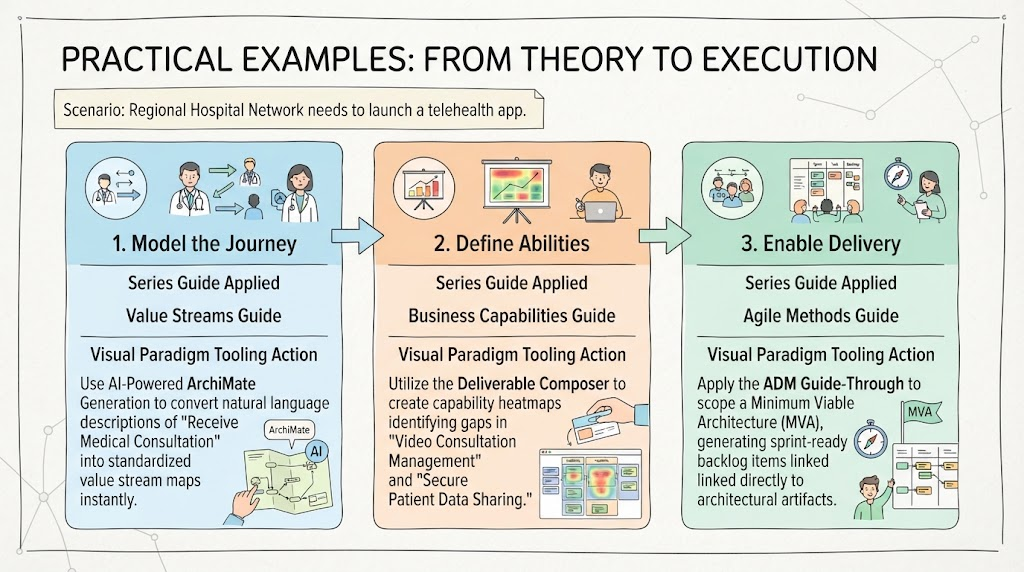 From Theory to Execution: A Practical Guide to Enterprise Architecture with Visual Paradigm
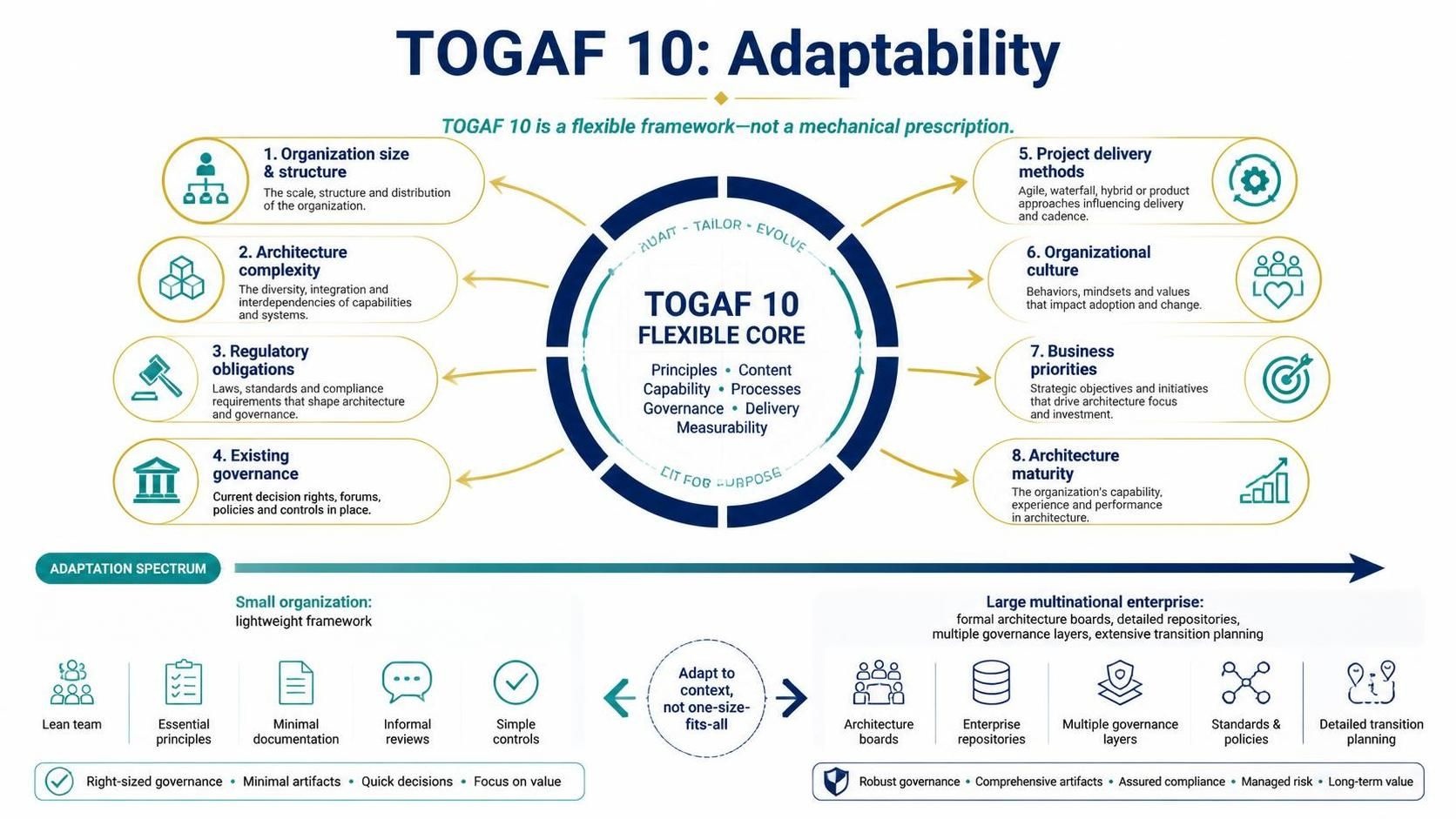 Mastering TOGAF 10 Adaptability: From Concept to Implementation
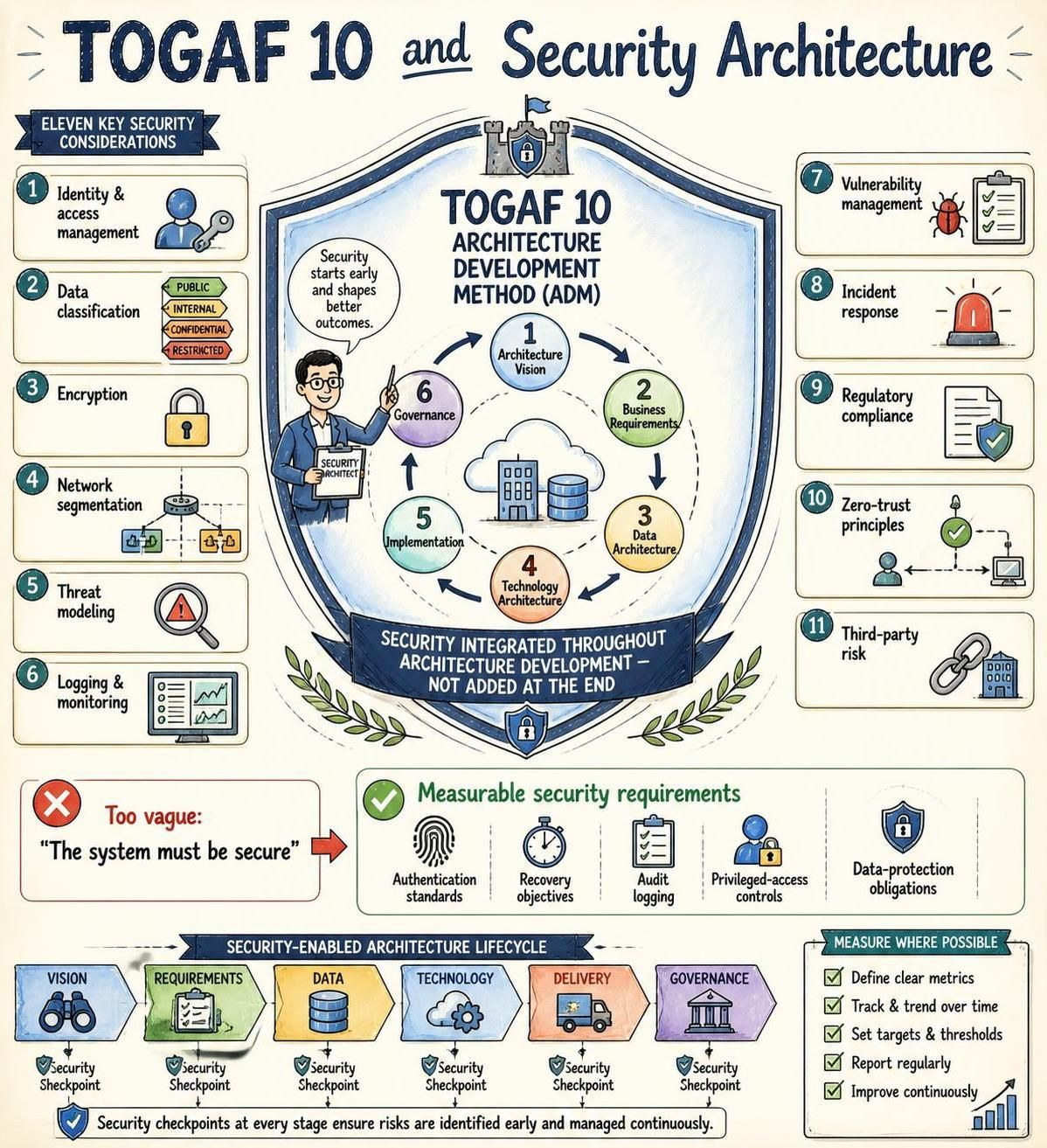 Mastering TOGAF 10 Security Architecture: From Principles to Implementation
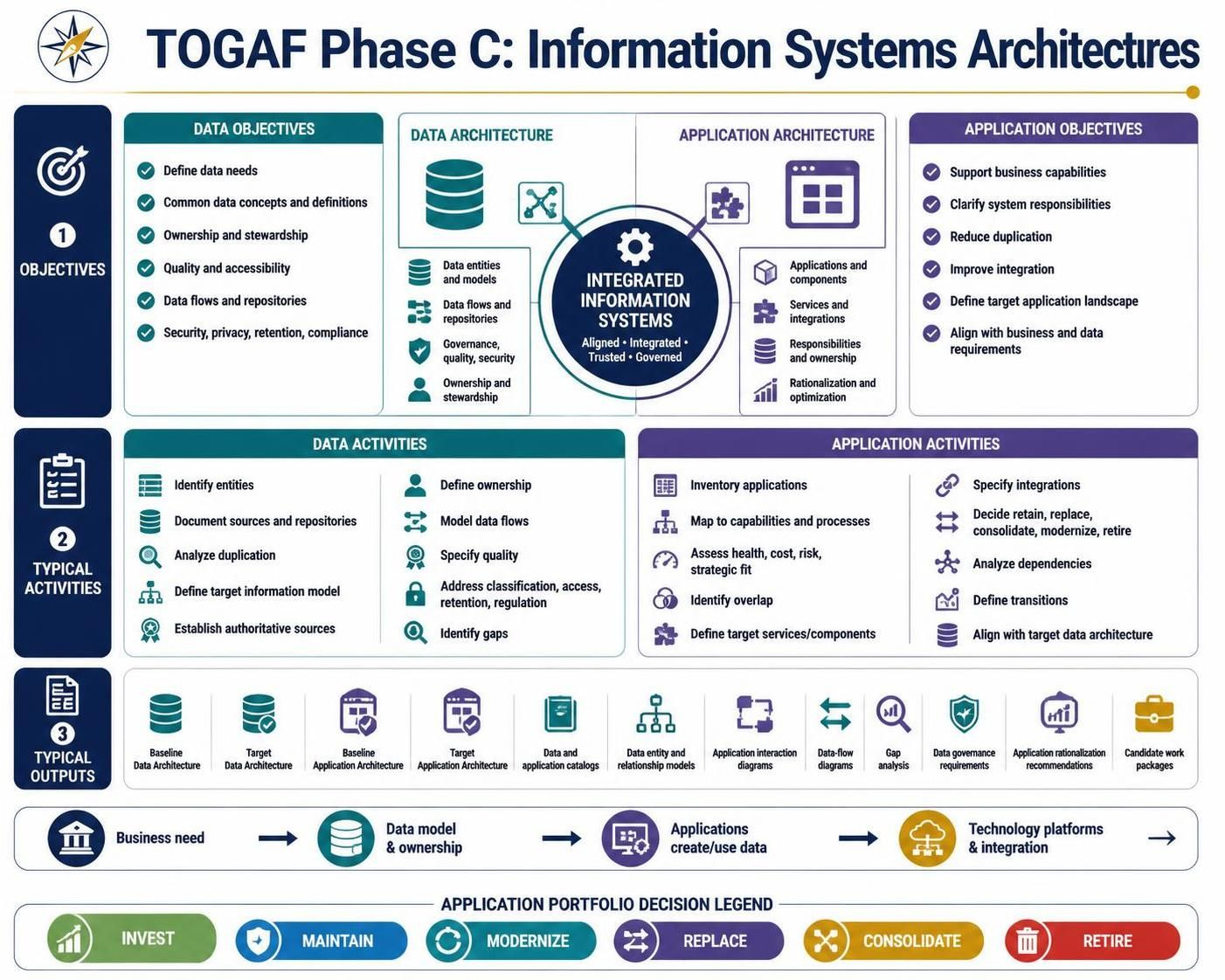 Mastering TOGAF Phase C: A Comprehensive Guide to Information Systems Architecture