


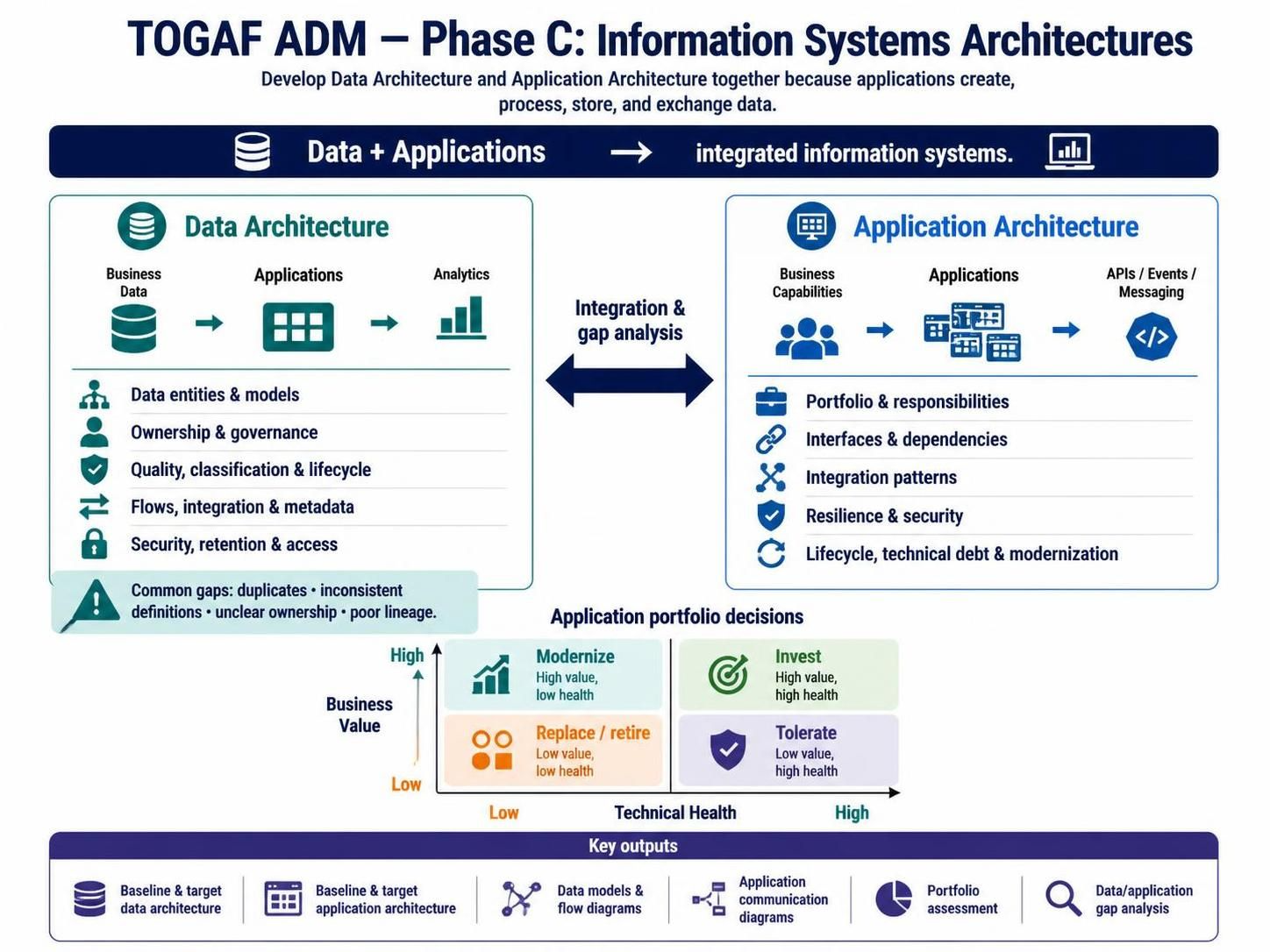
In the world of Enterprise Architecture, few phases are as critical as Phase C of the TOGAF Architecture Development Method (ADM). This phase is the bridge between high-level business strategy and the technical reality of IT systems. It is where the abstract concepts of “Information” and “Systems” become concrete architectures that drive the enterprise.
This tutorial delves deep into the intricacies of Phase C: Information Systems Architectures. We will explore the symbiotic relationship between Data and Application architectures, analyze the strategies for portfolio management, and discuss the essential outputs required to move a business forward.
The Core Philosophy: Data and Applications as One
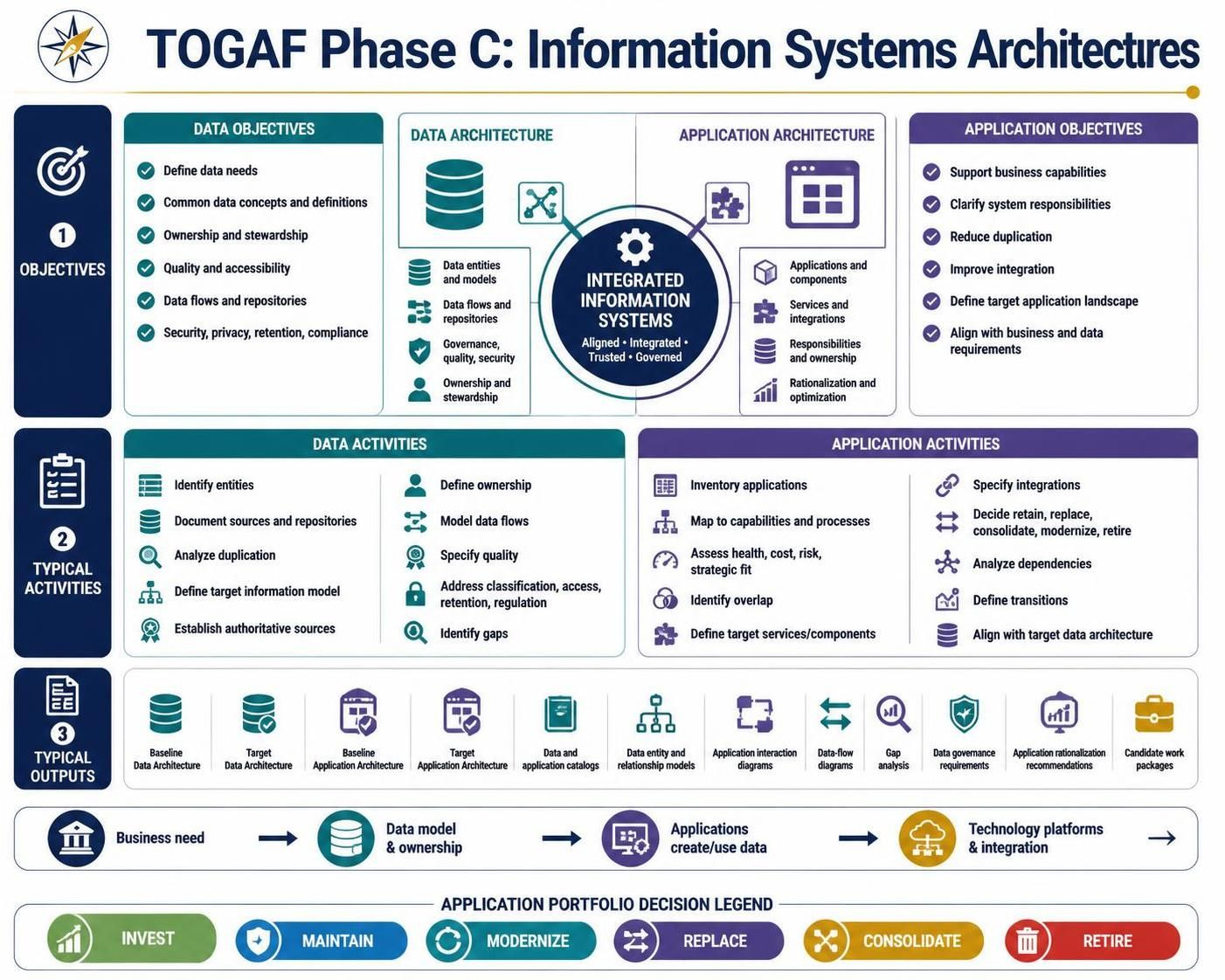
At the heart of Phase C lies a fundamental realization: you cannot effectively design an Application Architecture without a solid understanding of the Data Architecture, and vice versa. The diagram emphasizes this relationship with the equation:
Data + Applications → Integrated Information Systems
Applications are merely the mechanisms that create, process, store, and exchange data. Therefore, these two architectural domains are developed in parallel to ensure they are aligned and support the business capabilities effectively.
Section 1: Data Architecture – The Foundation of Truth
Data Architecture defines the organization’s information assets and the structures required to manage them. It is not just about databases; it is about governance, ownership, and the flow of information.
1.1 Key Objectives
The primary goals of Data Architecture include:
- Understanding Assets: What information does the business actually need to operate?
- Defining Structures: Establishing target data models and relationships.
- Governance: Establishing clear ownership and accountability for data domains.
- Integration: Ensuring data can be shared and accessed for analytics across the enterprise.
1.2 Areas of Examination
When architects dive into this phase, they examine a vast array of topics:
- Entities & Models: Defining business data entities, master data, and reference data.
- Lifecycle & Quality: How is data created? How is it classified? What are the retention and archival rules?
- Security & Access: Who is allowed to see or modify specific data domains?
- Lineage: Tracing where data comes from and where it goes (e.g., identifying if data is duplicated across systems).
1.3 Common Data Problems
In many legacy environments, architects often encounter specific “pain points” that Phase C aims to solve:
- Multiple Customer Records: Lack of a “Golden Record” leads to fragmented views.
- Unclear Ownership: No one knows who is responsible for maintaining the data.
- Uncontrolled Spreadsheets: Critical data living in isolated, non-governed files.
- Batch Latency: Reliance on batch processing when the business requires near real-time data.
Section 2: Application Architecture – The Enablers
While Data Architecture defines the “what,” Application Architecture defines the “how.” It outlines the applications and services required to support business capabilities and manage information.
2.1 The Application Landscape
This architecture involves mapping the application portfolio against business capabilities. Key areas of focus include:
- Application Portfolio: A comprehensive list of all software assets.
- Responsibilities: Clarifying what each application does to reduce duplication.
- Interfaces & Dependencies: Understanding how systems talk to each other (APIs, events, messaging).
- Technical Debt: Identifying legacy systems that pose a risk or require modernization.
2.2 Integration Patterns
The target architecture must define the mechanisms for communication. Modern architectures often favor:
- APIs: Standardized interfaces for data exchange.
- Events & Messaging: Asynchronous communication for decoupled systems.
- Service Orchestration: Managing complex workflows across multiple applications.
Section 3: Strategic Analysis & Gap Identification
Before building the target architecture, one must understand the gap between the current state (Baseline) and the desired future state (Target).
3.1 The Portfolio Matrix
A critical tool in this phase is the application portfolio analysis, often visualized using a matrix of Business Value vs. Technical Health. This helps leaders make strategic decisions:
- Invest (High Value, High Health): These are the crown jewels. They are strategically valuable and technically robust. The strategy is to maintain and enhance them.
- Modernize (High Value, Low Health): These applications are critical to the business but are technically weak or outdated. They require investment to improve their technical stability.
- Tolerate (Low Value, High Health): These systems work well but provide low business value. They are often legacy “keep the lights on” systems that are not a priority for improvement.
- Replace or Retire (Low Value, Low Health): These are the biggest risks. They offer little value and are technically fragile. The strategy is to remove them or replace them with modern solutions.
3.2 Identifying Gaps
Common gaps identified during this analysis include:
- A required business capability has no supporting application.
- Critical data is trapped in a legacy system without an API.
- Reporting relies on manually consolidated data rather than automated integration.
Conclusion: From Analysis to Action
Phase C is a rigorous process of defining the structural blueprint of an enterprise. By aligning data and application architectures, organizations can eliminate silos, reduce redundancy, and ensure that their IT investments directly support business goals. The ultimate outputs—Baseline and Target Architectures, Data Models, and Gap Analyses—provide the roadmap for the subsequent phases of the TOGAF ADM.
To effectively navigate this complex process, it is highly recommended to utilize specialized architecture tooling. For example, Visual Paradigm TOGAF ADM Tool is a powerful solution that allows architects to model these relationships, manage the application portfolio matrix, and generate the necessary documentation efficiently. By combining rigorous methodology with robust tooling, organizations can successfully transform their Information Systems Architectures.
Related posts:
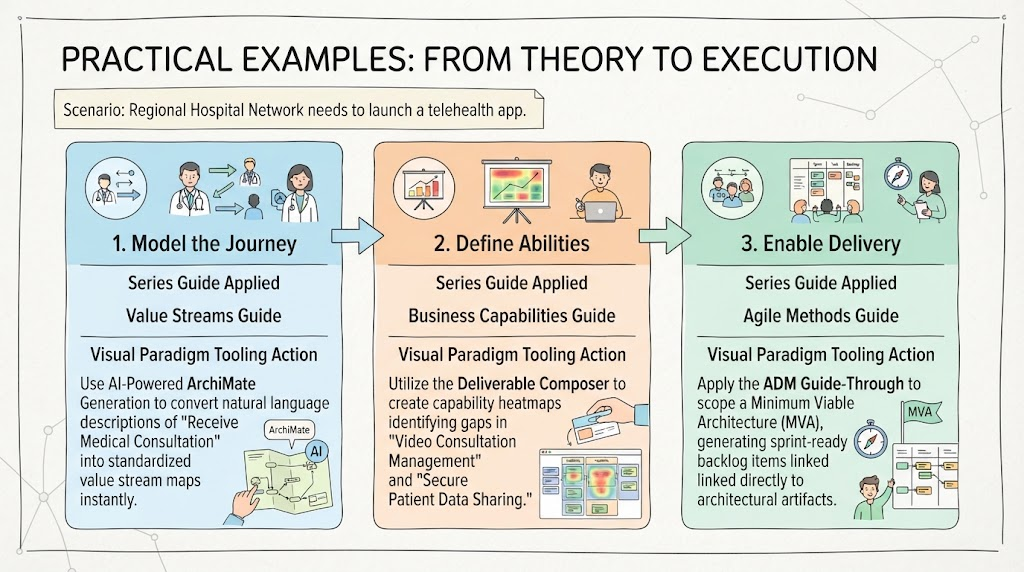 From Theory to Execution: A Practical Guide to Enterprise Architecture with Visual Paradigm
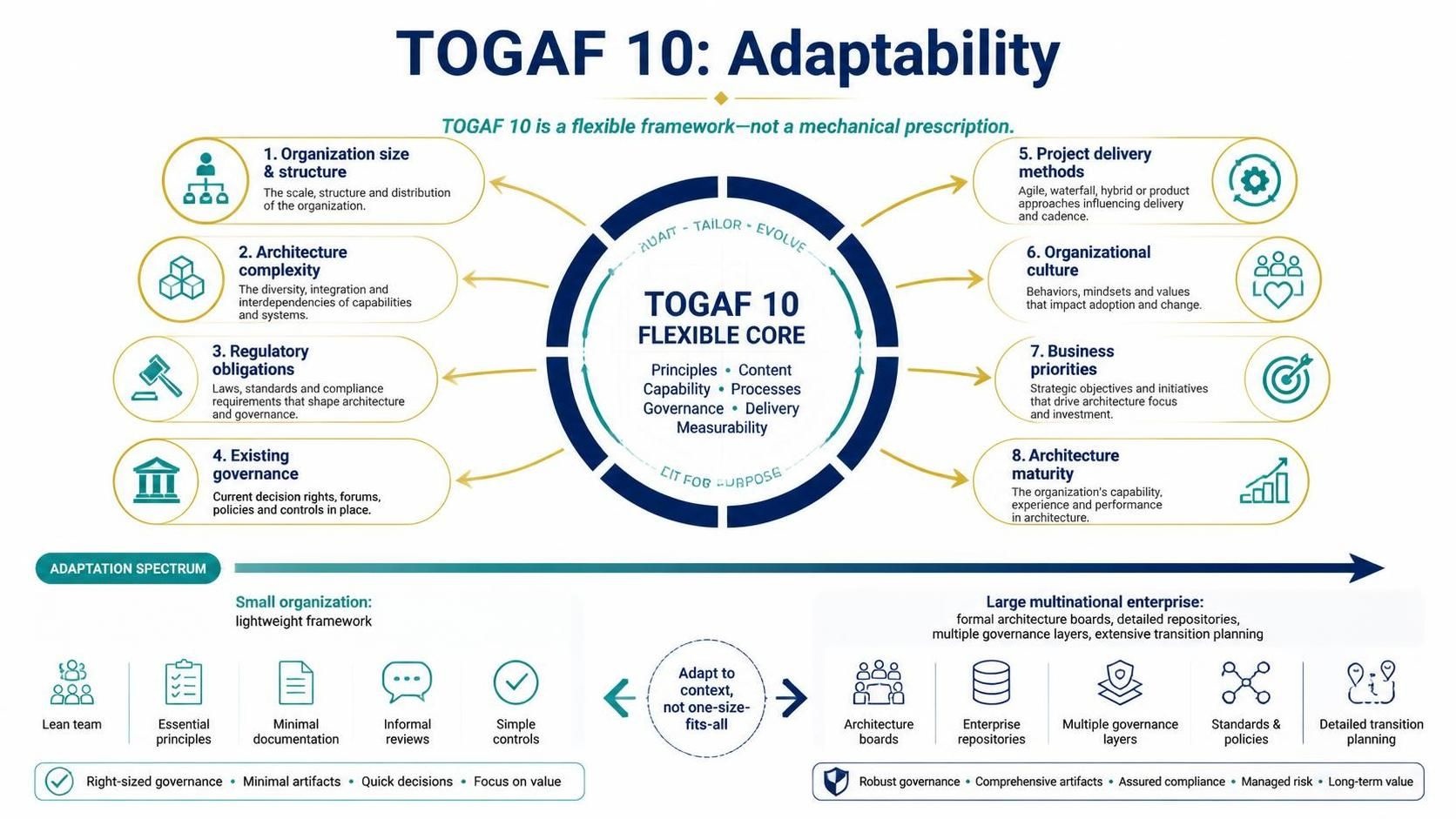 Mastering TOGAF 10 Adaptability: From Concept to Implementation
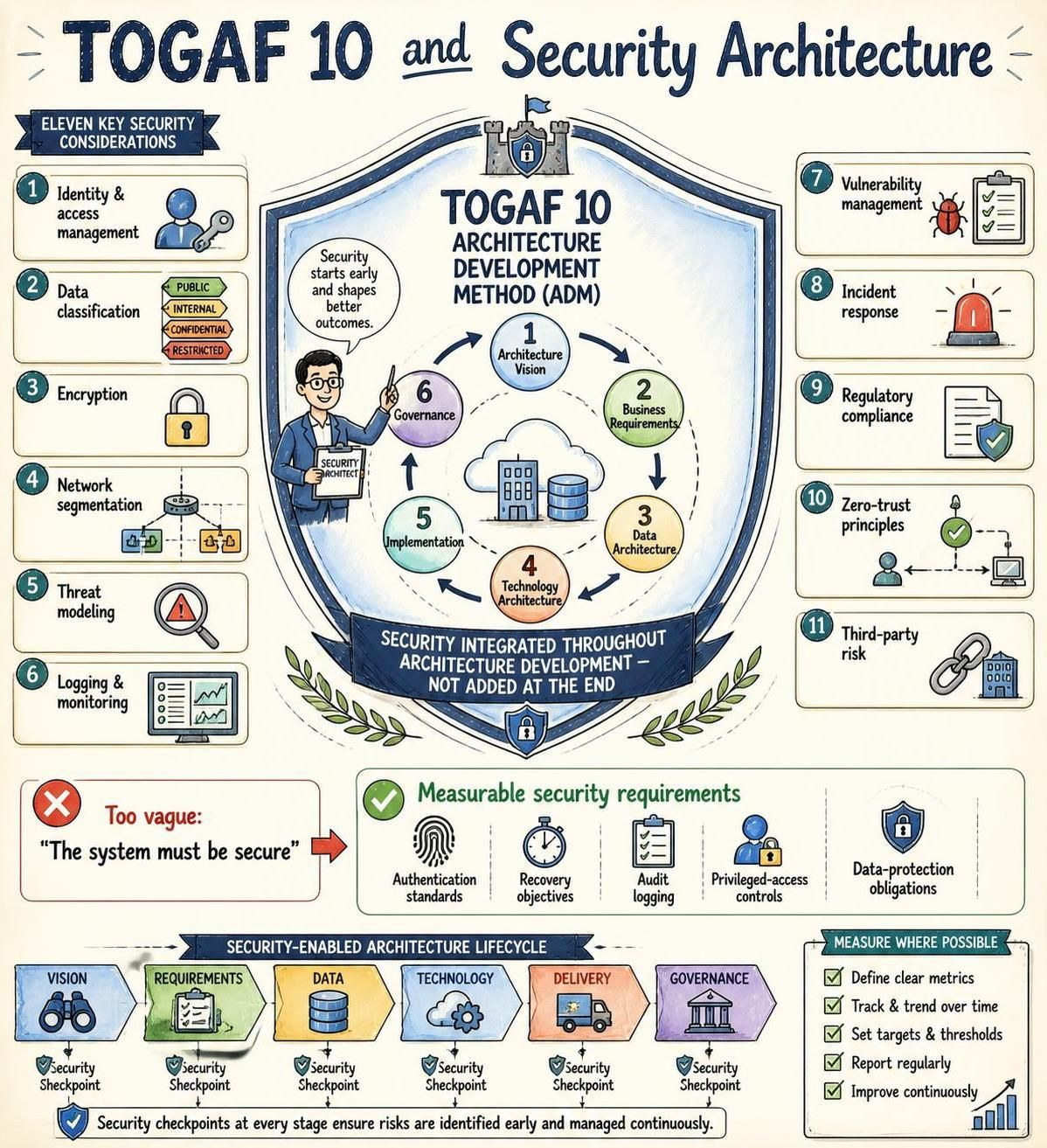 Mastering TOGAF 10 Security Architecture: From Principles to Implementation
 Mastering TOGAF Phase C: A Comprehensive Guide to Information Systems Architecture