


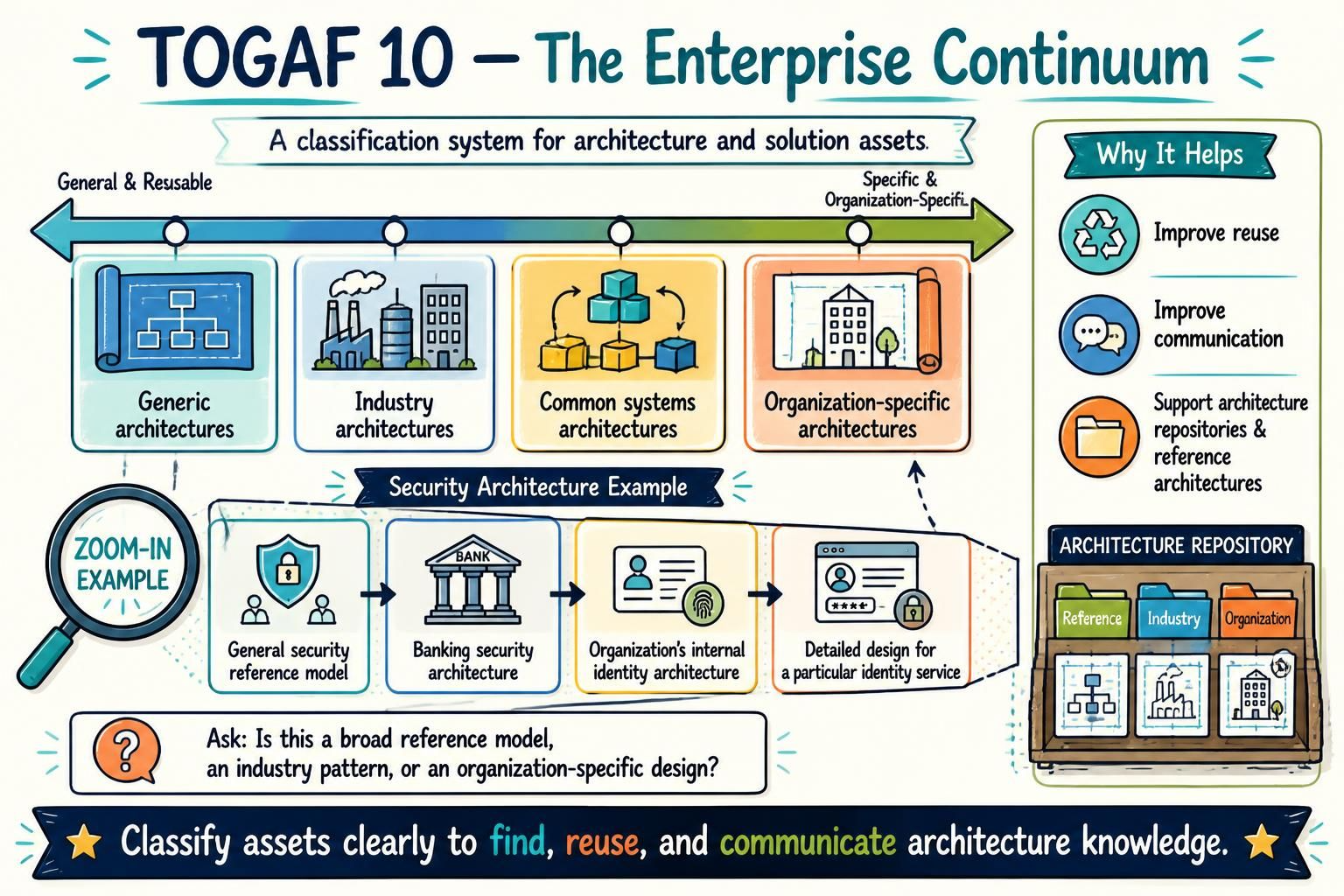
In the complex world of enterprise architecture, distinguishing between a broad industry standard and a specific internal design can be challenging. The Enterprise Continuum serves as the fundamental framework for classifying architecture and solution assets. By understanding this spectrum, architects can effectively organize knowledge, ensure consistency, and maximize the value of their architectural investments.
This tutorial explores the core concepts of the Enterprise Continuum, breaking down the progression from general reusable models to specific organization solutions, and how to leverage this structure for better communication and reuse.
1. The Spectrum of Architecture: From General to Specific
The Enterprise Continuum is essentially a spectrum. It categorizes architectures based on their level of abstraction and specificity. On one end, you have broad, reusable models; on the other, you have highly specific designs tailored for a single organization.
The continuum is generally divided into four distinct layers:
- Generic Architectures: These are the most abstract models. They are applicable to almost any organization, regardless of industry. They represent the broadest level of architecture.
- Industry Architectures: These models are tailored to a specific sector. For example, a security framework designed specifically for the banking industry falls here.
- Common Systems Architectures: These are reusable architectures used across multiple organizations within a specific industry or domain. They are often based on standard systems or patterns.
- Organization-Specific Architectures: These are the most specific assets, designed and customized for a single organization to meet its unique business needs.
Visualizing the Flow
Imagine an arrow moving from left to right. The left side represents “General & Reusable,” while the right side represents “Specific & Organization-Specific.” As you move along this arrow, the architecture becomes more concrete and tailored.
2. A Concrete Example: Security Architecture
To truly grasp the Enterprise Continuum, it is helpful to look at a real-world scenario. Let’s trace the lifecycle of a security architecture as it moves from a broad concept to a specific implementation.
- General Security Reference Model: This is the starting point. It is a high-level, theoretical model applicable to anyone. It is “generic” in nature.
- Banking Security Architecture: Here, we narrow the focus. We take the general model and apply it to the banking sector. This is an “industry architecture.”
- Organization’s Internal Identity Architecture: Now, we zoom in further. A specific bank takes the industry model and adapts it to its own internal structure. This is an “organization-specific architecture.”
- Detailed Design for a Particular Identity Service: Finally, we arrive at the solution level. This is a detailed design for a specific identity service used within that bank. This is the most specific asset on the continuum.
3. The Strategic Value: Why Use the Continuum?
Why go through the trouble of classifying assets? The Enterprise Continuum is not just a filing system; it is a strategic tool that provides three major benefits:
A. Improved Reuse
By clearly identifying whether an asset is a generic model or a specific design, architects can avoid “reinventing the wheel.” If a bank needs a security framework, it can immediately look at the industry architecture rather than building from scratch.
B. Improved Communication
When discussing architecture, clarity is key. The continuum provides a shared language. If an architect says, “This is a generic reference model,” everyone understands it is not yet a final design for their specific company.
C. Support for Architecture Repositories
The continuum is the backbone of an Architecture Repository. It allows organizations to store assets logically. You can organize your repository into folders like “Reference,” “Industry,” and “Organization,” ensuring that assets are easily findable and relevant.
4. Implementing the Continuum with Modern Tooling
Managing the Enterprise Continuum effectively requires robust tooling that supports modeling, visualization, and repository management. To streamline these processes, the Recommended tooling of Visual Paradigm TOGAF ADM Tool is an excellent choice. This tool allows architects to map the continuum layers directly within a modeling environment, ensuring that your diagrams and specifications are aligned with TOGAF standards.
By integrating the Enterprise Continuum into your workflow, you ensure that your architecture assets are not just created, but are organized for maximum impact.
Conclusion
The Enterprise Continuum is a powerful concept for classifying architecture assets. Whether you are dealing with a broad reference model or a detailed solution design, understanding where your asset fits on the continuum helps you find, reuse, and communicate architecture knowledge effectively.
Related posts:
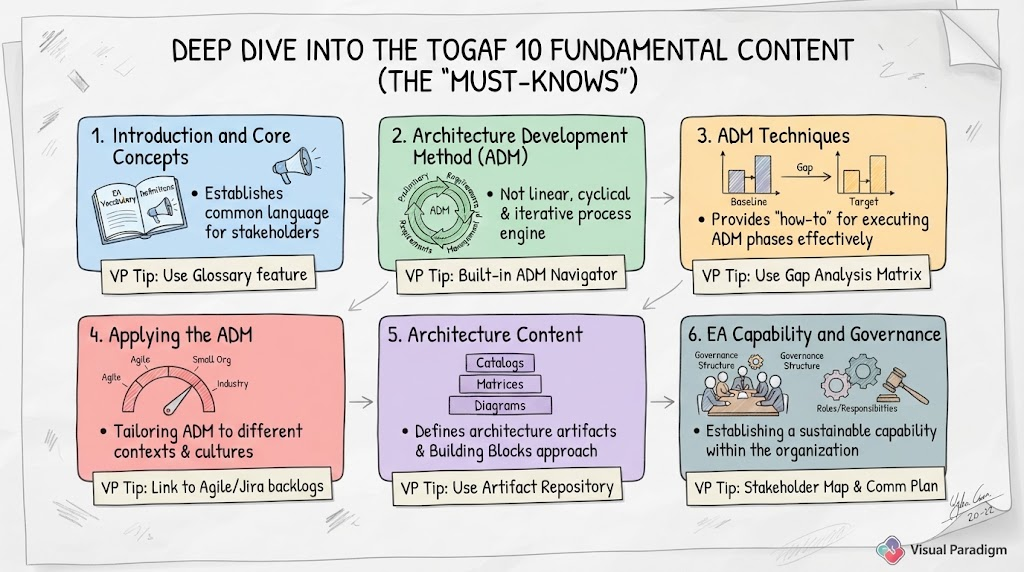 Mastering TOGAF 10: A Step-by-Step Guide to the Six Fundamental Content Pillars
 Mastering the TOGAF Preliminary Phase with Visual Paradigm and ArchiMate
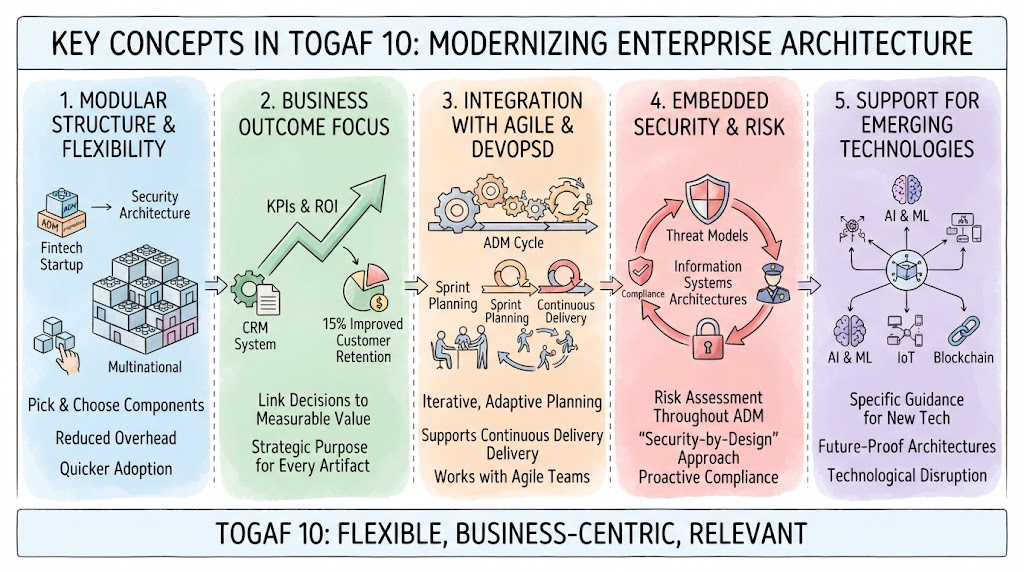 Mastering TOGAF 10: A Modern Guide to Flexible Enterprise Architecture
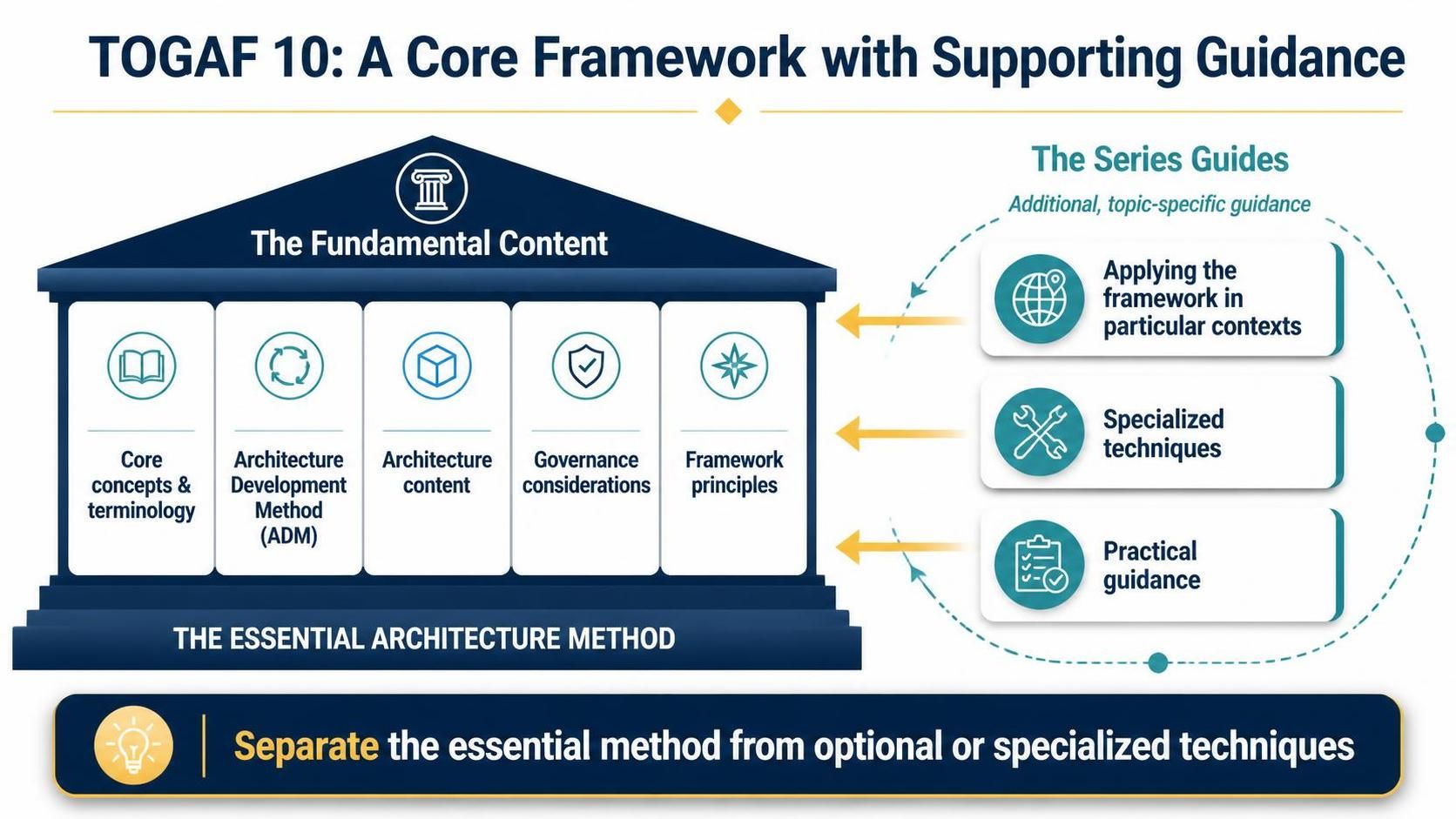 Mastering TOGAF 10: Separating the Essential Architecture Method from Specialized Guidance