


In the realm of software engineering and system modeling, understanding the foundational building blocks of object-oriented design is crucial for creating robust and scalable applications. At the very heart of this paradigm lie two fundamental concepts: the Class and the Object. While they are deeply interconnected, they serve distinctly different purposes in the architecture of a system.
This guide provides a comprehensive breakdown of what classes and objects are, how they relate to one another, and the primary differences that distinguish them in both theory and visual modeling (UML). Whether you are designing a complex software architecture or simply learning the ropes of system modeling, mastering the distinction between these two concepts is your first step toward success.
Part 1: Fundamental Definitions
Before diving into the differences, it is essential to clearly define what a class and an object are within the context of system design. Imagine the concept of a “House.” You cannot build a house in the physical world without a plan, nor can you write a program without a definition of the data it will handle.
The Class: The Blueprint
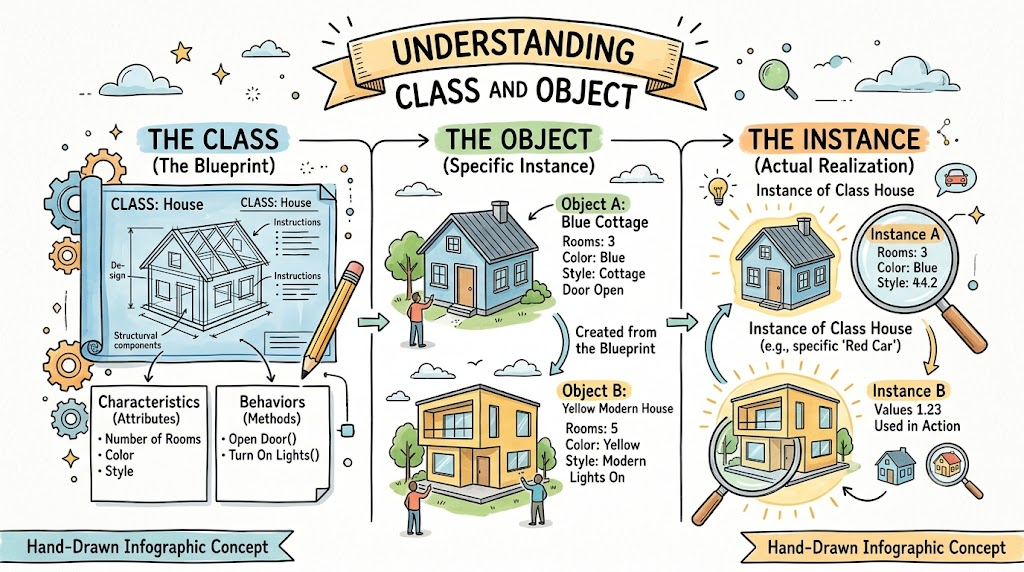
A Class is defined as a broad collection of things or concepts that share the exact same characteristics. It acts as a categorical blueprint, defining the common traits and behaviors that all members of that collection will possess. In the diagram, the “Class: House” is shown as a technical drawing or blueprint. It specifies:
- Characteristics (Attributes): The data fields, such as
Number of Rooms,Color, andStyle. - Behaviors (Methods): The actions the house can perform, such as
Open Door()orTurn On Lights().
The class exists in the abstract. It is a template. It tells the system what a house is, but it is not a house itself.
The Object: The Specific Instance
An Object is an individual, specific thing or concept that exists within that collection. If the class is the category, the object is the actual item. In our visualization, this is represented by the actual blue cottage or the yellow modern house.
The Instance: Technical Terminology
In technical terminology, when an object belongs to a specific class, it is frequently referred to as an Instance of that class. For example, if Vehicle is the class, a specific red car is an instance of that class.
Part 2: Visualizing the Architecture
Software architects use two specific types of diagrams to visualize these concepts: the Class Diagram and the Object Diagram. The infographic illustrates the lifecycle of data from abstract definition to concrete usage.
1. The Class Diagram (The Structure)
The left side of the visual guide represents the Class Diagram. This is the static structure of your system. It defines the “Class: House” with its structural components. It does not contain specific data values; instead, it defines the types of data allowed (e.g., Color must be a String, Rooms must be an Integer). It is the factory line that will eventually produce the products.
2. The Object Diagram (The Snapshot)
The middle section of the guide depicts the creation of objects. These are specific instances created from the blueprint. Notice the details:
- Object A (Blue Cottage): An instance of
Housewith specific values:Rooms: 3,Color: Blue,Style: Cottage. - Object B (Yellow Modern House): Another instance of
Housewith different values:Rooms: 5,Color: Yellow,Style: Modern.
While they are both “Houses” (objects of the same class), they are distinct entities in memory with unique states.
3. The Instance (Actual Realization)
The right side of the infographic zooms in on the concept of the Instance in action. This represents the runtime environment where the objects are being used.
- Instance A: The specific data held by the Blue Cottage object (Rooms: 3, Color: Blue).
- Instance B: The data held by the Yellow Modern House (Values 1.23, Used in Action).
This visualization highlights that an instance is the concrete realization of the class definition. It is the moment where the abstract becomes concrete.
Summary of Differences
To summarize the architectural relationship between these concepts:
- Definition vs. Existence: A Class is a definition (a template); an Object is an existence (a real entity).
- Storage: A Class is usually stored in the codebase (the source code file). An Object is stored in the computer’s memory (RAM) while the program is running.
- Quantity: You define a Class once. You can create as many Objects (Instances) from that Class as your memory allows.
By mastering these distinctions, you move beyond simple coding into the realm of true system modeling, where you can visualize the flow of data from abstract requirements to concrete operational objects.
Related posts:
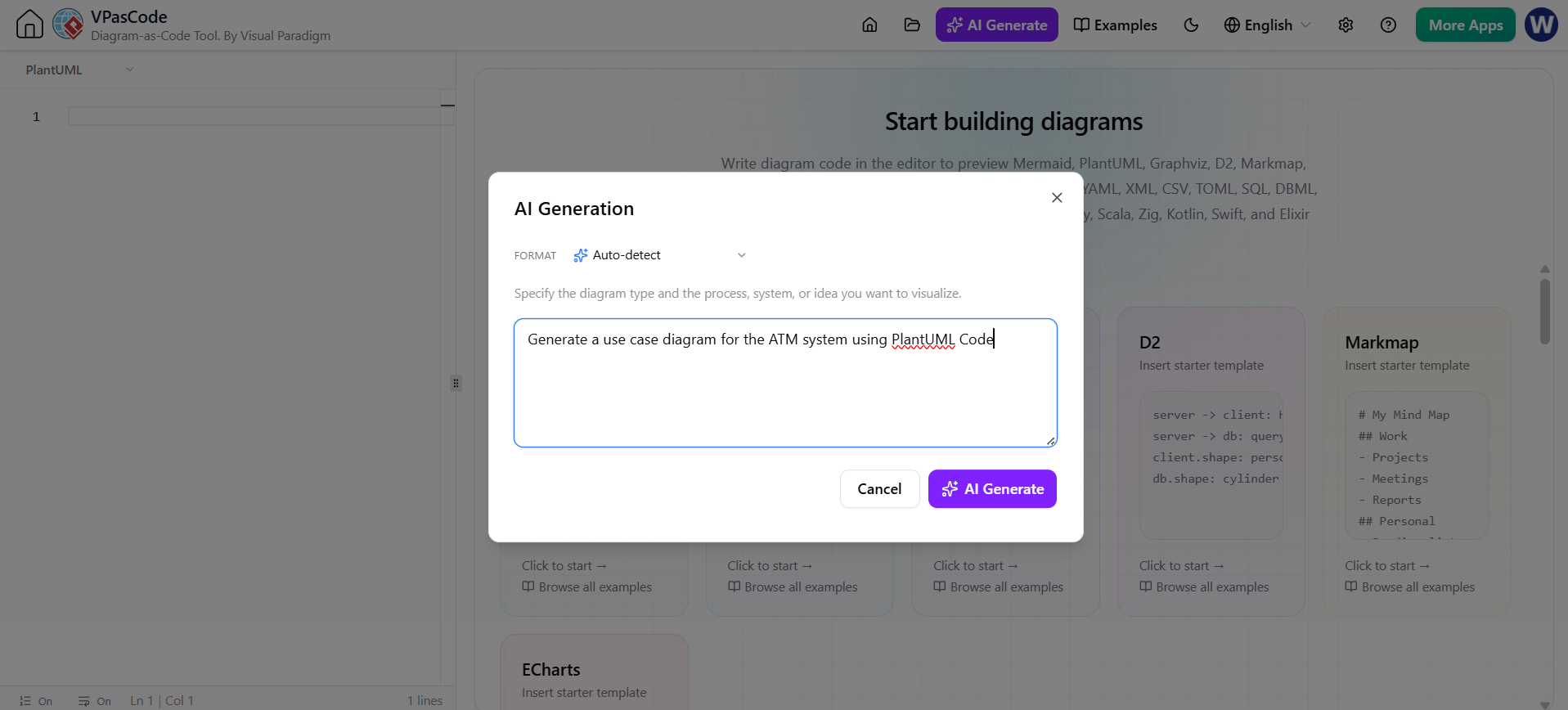 Revolutionizing System Modeling: The Power of Instant AI Diagram Generation
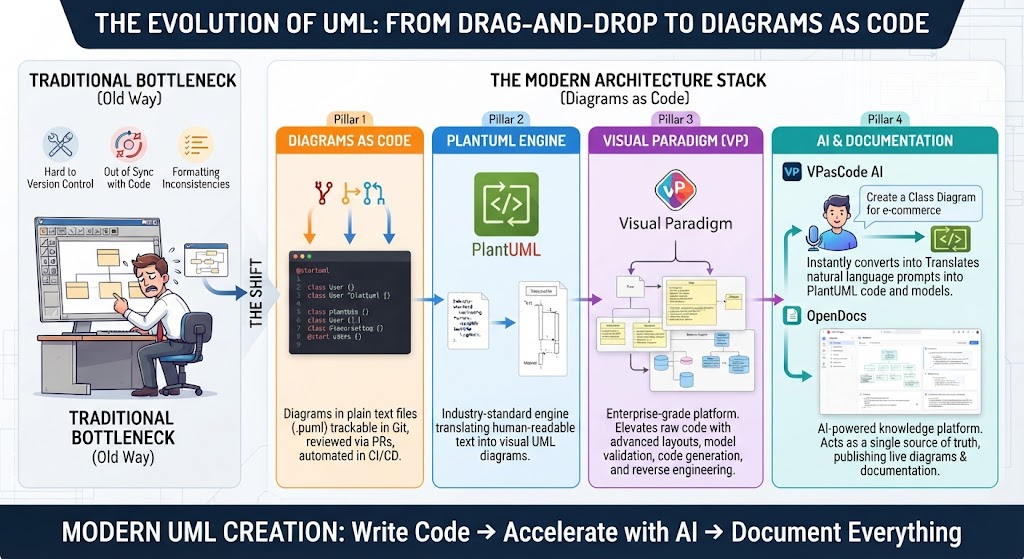 The Evolution of UML: Mastering the Modern Architecture Stack from Drag-and-Drop to Diagrams as Code
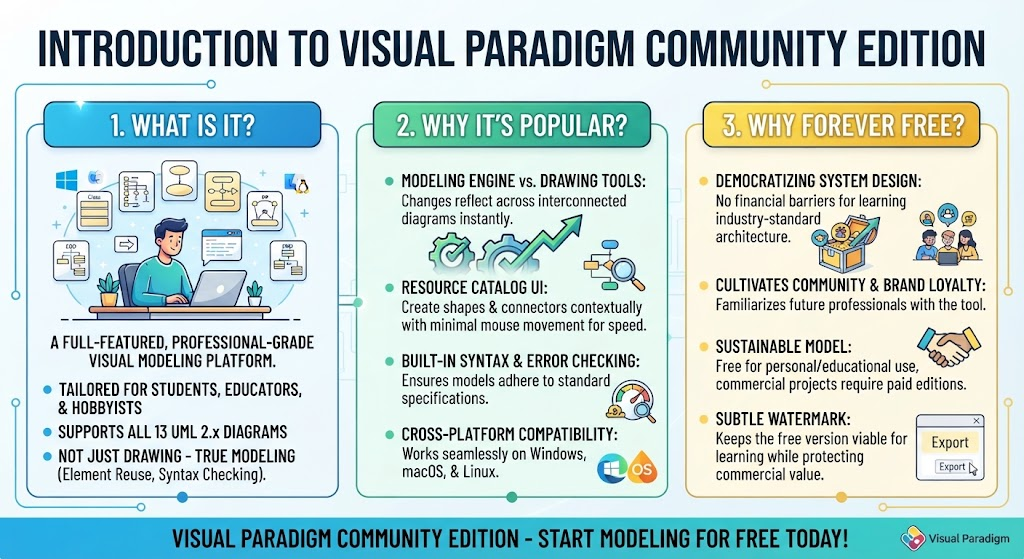 Mastering System Design: A Deep Dive into Visual Paradigm Community Edition
 Mastering UML Class Diagrams: A Comprehensive Guide to Structure and Relationships